The world is made of peoples. Meet them, one by one.
Kabila is a free guide to the indigenous and tribal peoples of every continent: who they are, where they live, what they speak, how they live and what they are facing now. Written so anyone can follow it.
- 575
- peoples so far
- 178
- countries
- 179
- language families
- 9,050
- on our list to write
Each dot is a people. Pick one.
Dayak Ibanالشعانبةsuq̓ʷabšLakhmidsMaruboTuf Shur TiaTapirapéTribe of NaphtaliSoninkéUkhang AlasZayanesDinéWaitahasvearNyishiTribe of ZebulunSoꞌtoWitotoבִּנְיָמִן (Binyāmīn)Hinono'einoUmoⁿhoⁿالأنصارBlackfeet NationKinanavađđalaizõdKrasniqëAyoreoBasmylDakȟóta OyáteChalá·atEce'jeWaiwaiTacanaApsáalookeQahtanitesYaminawáKalinagoHíaitíihiBanu BakrCubeoManchineriTribe of SimeonJakunAta NgadaIznatenفلسطينيونÖrpünAgrianesIshakDaghaghrasuku bangsa KubuالعباسيونBatak MandailingLampungعبد القيسMeenaKababishkʷòʔlí·yot̓Urak LawoiʼБашҡорттарBanu NajjarMayaNganasanWazhazheBanu AwsPamunkeyBajoSamaTōltēkahGitxsanDayak Ibanالشعانبةsuq̓ʷabšLakhmidsMaruboTuf Shur TiaTapirapéTribe of NaphtaliSoninkéUkhang AlasZayanesDinéWaitahasvearNyishiTribe of ZebulunSoꞌtoWitotoבִּנְיָמִן (Binyāmīn)Hinono'einoUmoⁿhoⁿالأنصارBlackfeet NationKinanavađđalaizõdKrasniqëAyoreoBasmylDakȟóta OyáteChalá·atEce'jeWaiwaiTacanaApsáalookeQahtanitesYaminawáKalinagoHíaitíihiBanu BakrCubeoManchineriTribe of SimeonJakunAta NgadaIznatenفلسطينيونÖrpünAgrianesIshakDaghaghrasuku bangsa KubuالعباسيونBatak MandailingLampungعبد القيسMeenaKababishkʷòʔlí·yot̓Urak LawoiʼБашҡорттарBanu NajjarMayaNganasanWazhazheBanu AwsPamunkeyBajoSamaTōltēkahGitxsan

Six regions
Every people on Kabila carries the colour of the region it calls home.
AfricaFrom the Sahara to the Kalahari: herders, farmers, foragers and kingdoms.63 peoplesAsiaAdivasi of India, hill peoples of Southeast Asia, nomads of the steppe.192 peoplesEuropeThe Sámi of the north, peoples of the Caucasus and the old tribes of the continent.54 peoplesNorth AmericaNative American tribes, First Nations, Inuit, Métis and the peoples of Mesoamerica.121 peoplesSouth AmericaPeoples of the Amazon, the Andes, the Chaco and Patagonia.113 peoplesOceaniaAboriginal nations, Torres Strait Islanders, Māori iwi, Papuans and Pacific islanders.32 peoples
Meet a few
A different handful every few minutes.
 Sápara
🇪🇨 Ecuador and 1 moreIndigenous people of the Ecuadorian and Peruvian Amazon rainforest
About 350
Sápara
🇪🇨 Ecuador and 1 moreIndigenous people of the Ecuadorian and Peruvian Amazon rainforest
About 350
 Tupi
🇧🇷 BrazilIndigenous peoples of coastal and central Brazil, known for their deep cultural legacy
About 16,000, Tupian
Tupi
🇧🇷 BrazilIndigenous peoples of coastal and central Brazil, known for their deep cultural legacy
About 16,000, Tupian
 Miccosukee
🇺🇸 United StatesHitchiti-speaking people of the Everglades, related to the Seminole
About 640, Muskogean
Miccosukee
🇺🇸 United StatesHitchiti-speaking people of the Everglades, related to the Seminole
About 640, Muskogean
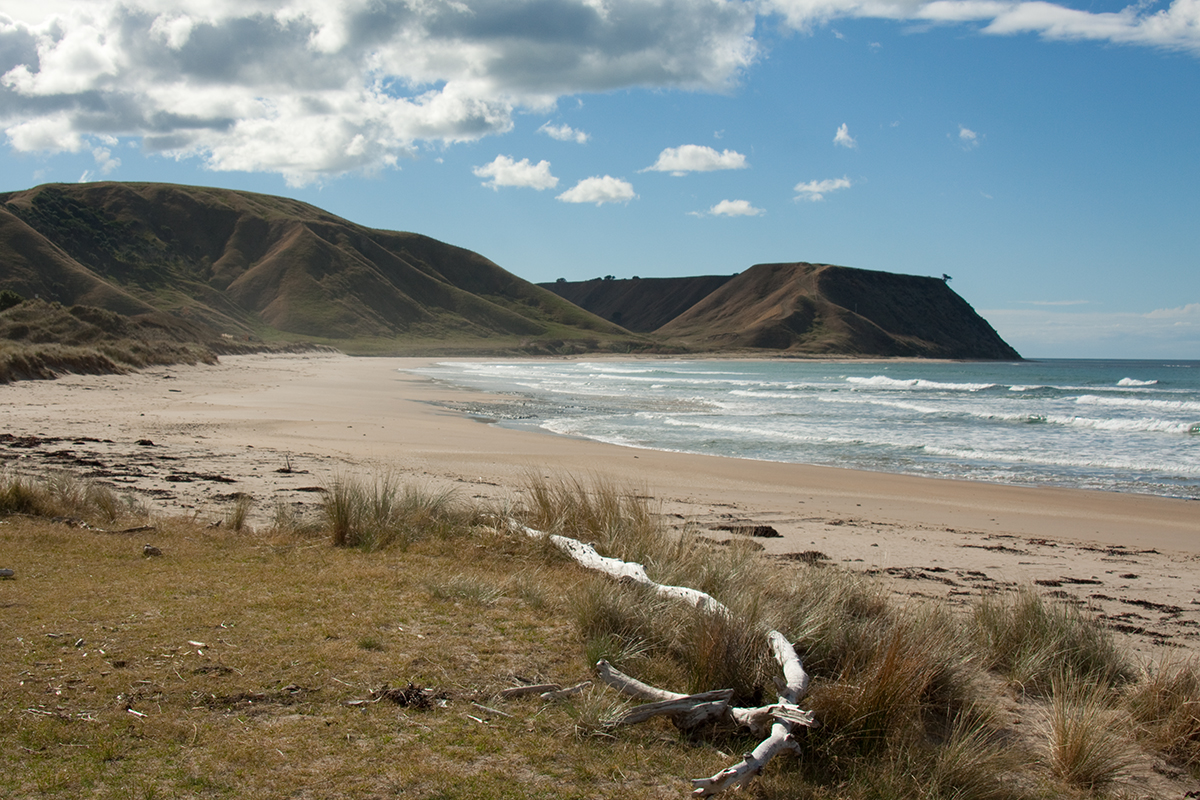 Ngāi Tahu
🇳🇿 New ZealandThe principal Māori iwi of New Zealand's South Island
About 85,000, Austronesian
Ngāi Tahu
🇳🇿 New ZealandThe principal Māori iwi of New Zealand's South Island
About 85,000, Austronesian
 Ghilji
🇦🇫 Afghanistan and 1 moreA major Pashtun tribal confederation of Afghanistan and Pakistan
Indo-Iranian
Ghilji
🇦🇫 Afghanistan and 1 moreA major Pashtun tribal confederation of Afghanistan and Pakistan
Indo-Iranian
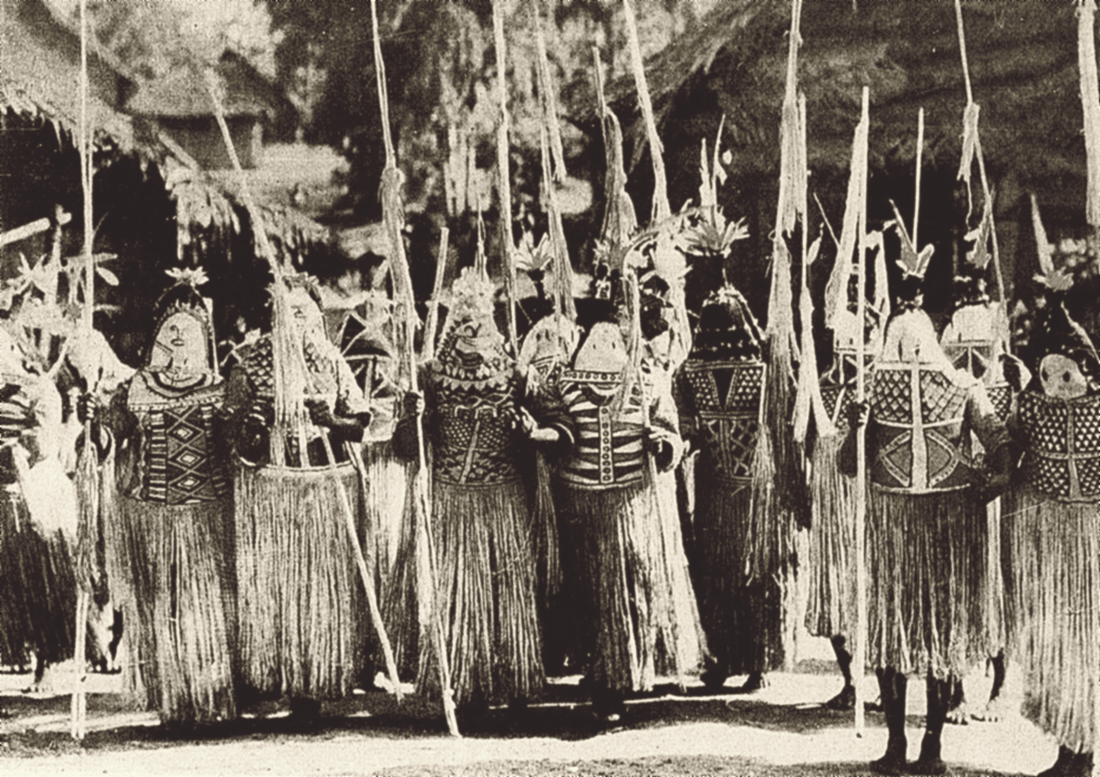 Kotiria
🇧🇷 Brazil and 1 moreIndigenous people of the Vaupés River in Brazil and Colombia
About 4,000, Tucanoan
Kotiria
🇧🇷 Brazil and 1 moreIndigenous people of the Vaupés River in Brazil and Colombia
About 4,000, Tucanoan
 LaniSuku Timorini
🇮🇩 IndonesiaIndigenous people of Central and Highland Papua, known for their koteka traditions
About 200,000
LaniSuku Timorini
🇮🇩 IndonesiaIndigenous people of Central and Highland Papua, known for their koteka traditions
About 200,000
 PotawatomiBodéwadmi
🇺🇸 United States and 1 moreKeepers of the fire in the Great Lakes and Plains, with many recognized bands today
About 43,000, Algonquian
PotawatomiBodéwadmi
🇺🇸 United States and 1 moreKeepers of the fire in the Great Lakes and Plains, with many recognized bands today
About 43,000, Algonquian
See how it works
14 step-by-step pictures explain the ideas behind the words: clans, descent, councils, consent, recognition.
- Household. Start small. A household is the family that eats from one hearth. Among the Hadza of Tanzania it may be a couple, their children and a grandparent sharing one shelter.
- Band or village. Several households live together as a band or a village. A foraging band may hold 20 to 50 people. A farming village may hold several hundred. This is where daily life happens.
- Lineage. Kinship cuts across where people live. A lineage is a set of relatives who can name each link back to a shared ancestor, usually four to six generations ago.
- Clan. Several lineages form a clan. Members believe they share one founding ancestor, even when nobody can name every link. Clan members often may not marry each other.
- Tribe. Clans and villages together form a tribe: a named group with its own territory, customs and leaders. Many groups prefer the words people, nation or community instead.
- Confederacy. Some tribes join a lasting alliance. The Haudenosaunee Confederacy in North America united five nations, later six, under one council while each nation kept its own affairs.
- People or nation. The widest circle is the people or nation. Not every people has every level, and none of these levels is more advanced than another. They are different ways to organise.
Learn from the beginning
31 short lessons in 6 tracks. No background needed.
Track 1Start hereWhat the words mean, how many peoples there are, and how to talk about them with care.5 lessons, 27 minTrack 2How societies are builtBands, clans, kinship, marriage, government and growing up.5 lessons, 30 minTrack 3Ways of livingHow peoples make a living from forest, grassland, field, sea and ice.6 lessons, 35 minTrack 4Language and knowledgeMemory without writing, the world's languages, belief, art and knowledge of nature.5 lessons, 30 minTrack 5Rights and lawFrom colonisation to self-determination: declarations, treaties, land, consent and recognition.5 lessons, 34 minTrack 6Peoples todayIsolation, cities, climate, revival, and how to be a good visitor and ally.5 lessons, 28 min
Straight answers
- What is a tribe?
- What is the difference between a tribe, an ethnic group, an indigenous people and a nation?
- Who counts as indigenous, and who decides?
- How many indigenous people are there in the world?
- How many tribes are there in the world?
- Where do most indigenous people live?
- What is the largest tribe in the world?
Ways of living
Hunting and gatheringLiving from wild plants, game, honey and fish.182HerdingMoving with cattle, camels, sheep, yaks or reindeer.108Shifting cultivationClearing a forest plot, farming it, then letting it rest.33Settled farmingFields, terraces, orchards and paddies worked year after year.373Fishing and the seaRivers, reefs, ice and open ocean.215Craft and tradeWeaving, metalwork, carving, caravans and markets.224Towns and wage workCity life, paid work and enterprises run by the people.251
Test yourself
8 quizzes, eight questions each. You get the reason with every answer.
On the wire
- Future of Amazon rainforest policies at stake in Brazilian presidential electionLos Angeles Times, Latin America
- $2.2M Boost For Quantum Test Targeting Iron Issues In First Nations GroupsQuantum Zeitgeist, Canada
- Celebrate Indigenous Peoples' Day with City Hall Flag Raising and Native-Led Events Across SeattleSeattle.gov, World
- Māori Band Coterie Revives Iconic Warriors Anthem — LBBLBB - Little Black Book, Oceania
- Indigenous Peoples Day: Reflections on 500 Years of ResistanceInstitute of the Black World 21st Century, World
- Indigenous Peoples Day 2026NDN Collective, World
Newly added
 Ngāti Kurī
🇳🇿 New ZealandMāori iwi of the far north of New Zealand, with deep ties to Cape Reinga
About 6,000, Austronesian
Native Village of GeorgetownKeledzhichagat
🇺🇸 United StatesAlaska Native community on the upper Kuskokwim River
About 2
Ngāti Kurī
🇳🇿 New ZealandMāori iwi of the far north of New Zealand, with deep ties to Cape Reinga
About 6,000, Austronesian
Native Village of GeorgetownKeledzhichagat
🇺🇸 United StatesAlaska Native community on the upper Kuskokwim River
About 2
 KalenjinBiikap Kuutiit
🇰🇪 Kenya and 4 moreA cluster of Nilotic-speaking peoples of Kenya's Rift Valley and beyond
About 7.5 million, Southern Nilotic (Nilo-Saharan)
KalenjinBiikap Kuutiit
🇰🇪 Kenya and 4 moreA cluster of Nilotic-speaking peoples of Kenya's Rift Valley and beyond
About 7.5 million, Southern Nilotic (Nilo-Saharan)
 EngganoE Lopeh
🇮🇩 IndonesiaMatrilineal islanders of Enggano off southwest Sumatra
About 2,000, Austronesian (classification debated)
EngganoE Lopeh
🇮🇩 IndonesiaMatrilineal islanders of Enggano off southwest Sumatra
About 2,000, Austronesian (classification debated)