
Tucano
They call themselves ye’pâ-masa
Multilingual Indigenous people of the Vaupés River in the northwest Amazon
The Tucano are an Indigenous people living mainly along the Vaupés River in northwestern Amazonia, mostly in Colombia and also in Brazil. Known for their multilingual society and practice of marrying outside their language group, they number about 6,330. Their way of life centers on swidden horticulture, hunting, and fishing.
- Men must marry women from different language groups
- Most Tucano speak several Tucanoan languages
- They live along the Vaupés River in the northwest Amazon
- Swidden horticulture and fishing are main livelihoods
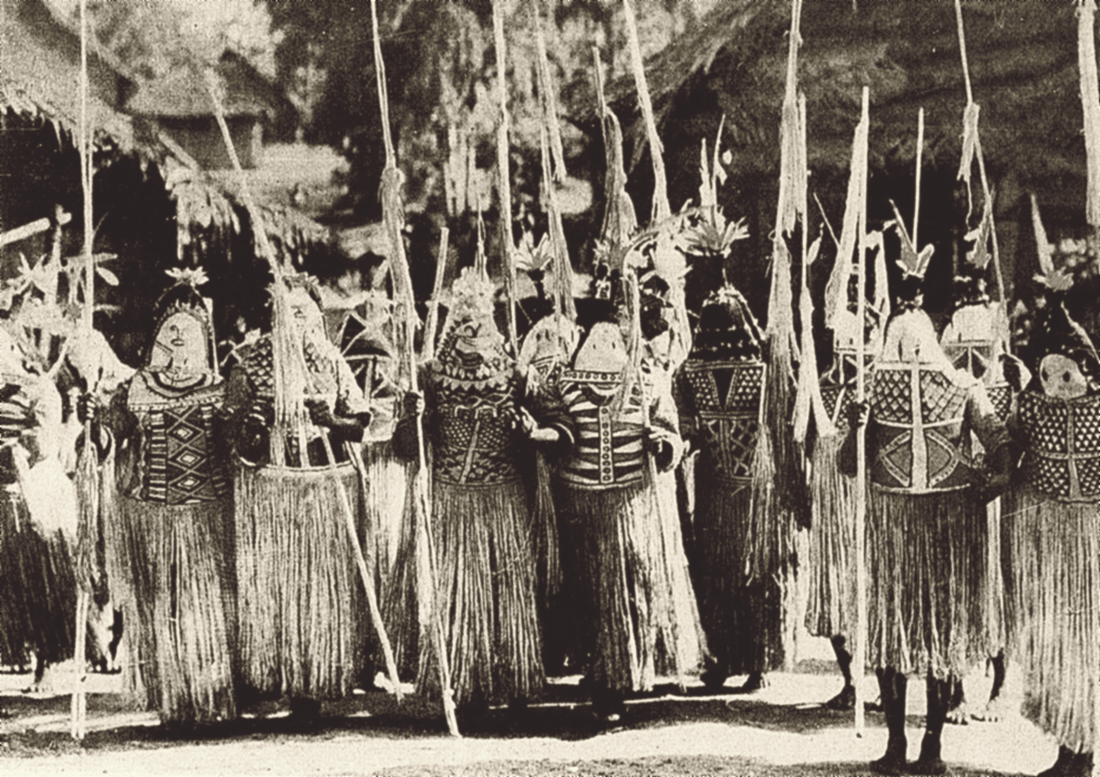
- Ceremonial dress includes bark cloth regalia
Who are the Tucano?
The Tucano are an Indigenous group of the northwestern Amazon, mainly along the Vaupés River in Colombia and Brazil. They are best known for their multilingual society, where each household includes speakers of several languages. This is due to their practice of linguistic exogamy: men must marry women from different language groups. Their identity is shaped by shared customs, riverine life, and close ties with neighboring groups.
Where do the Tucano live?
The Tucano live in the forested region along the Vaupés River and its tributaries, an area of dense Amazon rainforest. Their villages are often located on riverbanks, surrounded by the rich biodiversity of the northwest Amazon. The land provides them with fish, wild plants, and game, and supports their gardens cleared from the forest for growing staple crops.
What language do the Tucano speak?
Tucano people speak Tucanoan languages, a family of related Indigenous languages. Multilingualism is the norm: most people speak several languages, often shifting between them in conversation. This is a result of their marriage rules, which require partners to come from different language groups. The Tucano language is one among several spoken in their communities.
How do the Tucano live?
The Tucano make their living mainly through swidden horticulture, clearing small plots in the forest to grow manioc and other crops. They also hunt, fish, and gather wild foods from the forest and rivers. Their houses are often large communal longhouses, home to extended families. Bark cloth is used for ceremonial dress, and daily life is closely tied to the cycles of the river and forest.
How is Tucano society organised?
Tucano society is organized around linguistic descent groups, each associated with its own language. Men must marry outside their own group, and women move into their husband's household. This creates multilingual households and villages. Social life centers on the longhouse, with decisions made collectively. Kinship and marriage rules are central to their identity and social structure.


What do the Tucano believe?
Traditional beliefs remain important among the Tucano, alongside Protestant and Catholic influences. Rituals, dances, and the use of ceremonial bark cloth are part of their cultural life. Music, storytelling, and communal celebrations are key, and spiritual knowledge is often linked to the land and river. Dress for ceremonies includes distinctive bark cloth regalia.
The history of the Tucano
The Tucano have long lived in the Vaupés River region, maintaining their customs and languages despite outside pressures. Their practice of linguistic exogamy has shaped their society for generations. Contact with outsiders brought new religions and some changes, but the Tucano have kept many traditions. Their history includes adaptation to changing political borders and relations with neighboring Indigenous groups.
Tucano life today
Today, the Tucano number about 6,330 and live mainly in Colombia and Brazil. Many continue their traditional ways, though some have adopted elements of Protestantism and Catholicism. They face pressures from outside development and changing land use, but their multilingual society and cultural practices remain strong.
Questions people ask about the Tucano
Where do the Tucano live?
The Tucano live mainly along the Vaupés River in the northwestern Amazon, mostly in Colombia and also in Brazil.
How many Tucano people are there?
There are about 6,330 Tucano people, according to available sources.
What language do the Tucano speak?
The Tucano speak Tucanoan languages, and most people speak several different languages due to their marriage customs.
What is unique about Tucano marriage customs?
Tucano men must marry women from different language groups, a practice called linguistic exogamy, which leads to multilingual households.
How do the Tucano make a living?
They practice swidden horticulture, growing manioc and other crops, and also hunt, fish, and gather wild foods from the forest and rivers.
Sources and further reading
- Tucano people on WikipediaEncyclopedia
- Encyclopaedia BritannicaArticle
- More photos on Wikimedia CommonsPhotos
- Wikidata recordOpen data
This page was written with AI assistance from the sources above and checked automatically before publishing. It may contain mistakes, and it is no substitute for hearing from the Tucano themselves. If something is wrong, tell us. Last refreshed 2026-10-02.
Neighbours in Colombia
All peoples of Colombia Cubeo
🇨🇴 Colombia and 2 moreIndigenous people of the Vaupés region in Colombia's northwest Amazon
About 4,000, Tucanoan
Cubeo
🇨🇴 Colombia and 2 moreIndigenous people of the Vaupés region in Colombia's northwest Amazon
About 4,000, Tucanoan
 Kotiria
🇧🇷 Brazil and 1 moreIndigenous people of the Vaupés River in Brazil and Colombia
About 4,000, Tucanoan
Kotiria
🇧🇷 Brazil and 1 moreIndigenous people of the Vaupés River in Brazil and Colombia
About 4,000, Tucanoan
 QuechuaRuna / Nuna
🇵🇪 Peru and 5 moreIndigenous farmers and herders of the Andes, speaking Quechua languages
About 10 million, Quechuan
QuechuaRuna / Nuna
🇵🇪 Peru and 5 moreIndigenous farmers and herders of the Andes, speaking Quechua languages
About 10 million, Quechuan
 TicunaMagüta
🇧🇷 Brazil and 2 moreThe most numerous Indigenous people of the Brazilian Amazon
About 75,000, Language isolate
TicunaMagüta
🇧🇷 Brazil and 2 moreThe most numerous Indigenous people of the Brazilian Amazon
About 75,000, Language isolate