
Karo
They call themselves Suku Batak Karo
Highland farming people of North Sumatra with strong clan traditions
The Karo are an indigenous people of North Sumatra, Indonesia, numbering over 1.2 million. They are known for their clan-based society, the Karo language, and a mix of Christian, Muslim, and traditional beliefs. Most live in the highlands around Mount Sinabung and Mount Sibayak, with communities in nearby cities.
Who are the Karo?
The Karo are one of the main subgroups of the Batak peoples of Sumatra. They are united by their language, Karo, and a strong clan system called merga, which divides the people into five main clans and many sub-clans. Their identity is shaped by shared customs, ceremonies, and a history rooted in the highlands of North Sumatra. While related to other Batak groups, Karo culture and language are distinct, and some Karo prefer not to be called Batak. Their society is closely knit, with family and clan ties central to daily life and major events.
Where do the Karo live?
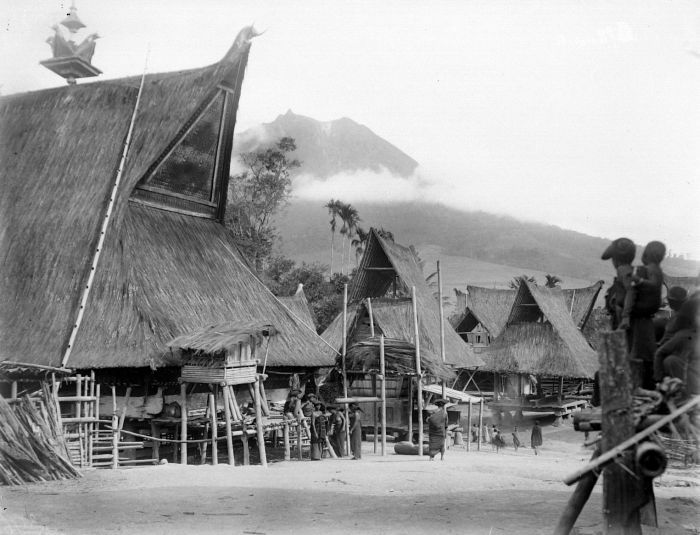
The Karo homeland, often called Tanah Karo, lies in the highlands of North Sumatra, Indonesia. It includes Karo Regency and parts of neighboring regencies, stretching from cool volcanic uplands to lower plains. The region is marked by two major volcanoes, Mount Sinabung and Mount Sibayak, and is known for fertile soils. Many Karo also live in nearby cities such as Medan and Binjai, but their cultural heart remains in the rural highlands.
What language do the Karo speak?
The Karo speak the Karo language, a Northern Batak language that is not mutually intelligible with Southern Batak languages. Karo is still widely spoken in villages and among families, alongside Indonesian, which is used for education and official matters. The language is a key marker of Karo identity.
How do the Karo live?
Traditionally, the Karo are farmers, making use of the fertile volcanic soil to grow crops such as vegetables, rice, and fruits. The town of Berastagi is known for its agricultural produce, especially European vegetables suited to the cooler climate. In the past, Karo lived in large communal longhouses, but today most live in modern homes. Some Karo also work in towns and cities, earning wages in various jobs. Access to healthcare and income levels are higher in towns like Berastagi than in more remote villages.
How is Karo society organised?
Karo society is organized around five main clans (merga): Ginting, Karo-Karo, Perangin-Angin, Sembiring, and Tarigan, each with many sub-clans. Marriage within the same clan is forbidden. Weddings are large, communal events involving both families and complex rituals. Family roles and obligations are defined by clan relationships, and social life is shaped by these ties. Decision-making often involves elders and respected figures within the clans.


What do the Karo believe?
The Karo follow a mix of Christian (mainly Protestant), Muslim, and traditional beliefs. Many still observe rituals honoring spirits (perbegu) and ancestors, and traditional medicine is practiced. The Karo Batak Protestant Church is the largest Christian denomination. Some Karo identify with Hinduism, but traditional beliefs (Pemena) remain important in ceremonies and village life. Music, dance, and dress play a role in rituals, especially at weddings.
The history of the Karo
The Karo trace their roots to ancient kingdoms in Sumatra, including the Aru Kingdom. Islam reached the region early, but traditional beliefs remained strong in the highlands. The Dutch conquered Karoland in 1904, ending its isolation and bringing roads, missionaries, and new crops. Christianity spread slowly at first, gaining more followers after Indonesian independence. The Karo have experienced pressures to adopt official religions, leading to shifts between traditional, Christian, Muslim, and Hindu identities. Clan and adat (custom) remain central to their identity.
Karo life today
Today, the Karo number over 1.2 million, with most living in North Sumatra. Many are Christian, but Islam and traditional beliefs are also present. While some traditional houses remain, most Karo live in modern homes. Urban migration and economic change have affected village life, but clan ties and rituals continue to shape Karo society. Access to education and healthcare varies between urban and rural areas.
Questions people ask about the Karo
Where do the Karo live?
The Karo live in Indonesia, in the highlands and lowlands of North Sumatra, especially Karo Regency.
How many Karo people are there?
Our sources give the Karo population as 1,232,655 (2013). Counts of peoples vary with who is counted and when.
What language do the Karo speak?
The Karo speak Karo, which belongs to the Austronesian family of languages.
How do the Karo make a living?
The Karo are known for settled farming and towns and wage work. Like most peoples, they combine several ways of making a living, and these have changed over time.
Sources and further reading
- Karo people (Indonesia) on WikipediaEncyclopedia
- More photos on Wikimedia CommonsPhotos
- Wikidata recordOpen data
This page was written with AI assistance from the sources above and checked automatically before publishing. It may contain mistakes, and it is no substitute for hearing from the Karo themselves. If something is wrong, tell us. Last refreshed 2026-10-02.
Neighbours in Indonesia
All peoples of Indonesia MalaysOrang Melayu
🇲🇾 Malaysia and 4 moreAustronesian people of the Malay Peninsula, Sumatra, Borneo and nearby islands
About 30 million, Austronesian
MalaysOrang Melayu
🇲🇾 Malaysia and 4 moreAustronesian people of the Malay Peninsula, Sumatra, Borneo and nearby islands
About 30 million, Austronesian
 Minangkabaubangso Minangkabau
🇮🇩 Indonesia and 3 moreMatrilineal Muslim society from the highlands of West Sumatra
About 6.6 million, Austronesian
Minangkabaubangso Minangkabau
🇮🇩 Indonesia and 3 moreMatrilineal Muslim society from the highlands of West Sumatra
About 6.6 million, Austronesian
 Sundaneseᮅᮛᮀ ᮞᮥᮔ᮪ᮓ (Urang Sunda)
🇮🇩 Indonesia and 3 moreThe native people of western Java, Indonesia, known for their language and traditions
About 42 million, Austronesian
Sundaneseᮅᮛᮀ ᮞᮥᮔ᮪ᮓ (Urang Sunda)
🇮🇩 Indonesia and 3 moreThe native people of western Java, Indonesia, known for their language and traditions
About 42 million, Austronesian
 Balineseanak Bali
🇮🇩 IndonesiaHindu-majority people of Bali, known for art, dance, and water-temple farming
About 3.9 million, Austronesian
Balineseanak Bali
🇮🇩 IndonesiaHindu-majority people of Bali, known for art, dance, and water-temple farming
About 3.9 million, Austronesian
Other Austronesian speakers
See them all TorajaTo Raya
🇮🇩 IndonesiaHighland people of South Sulawesi known for elaborate funerals and tongkonan houses
About 1.1 million, Austronesian
TorajaTo Raya
🇮🇩 IndonesiaHighland people of South Sulawesi known for elaborate funerals and tongkonan houses
About 1.1 million, Austronesian
 Sama-BajauSama
🇵🇭 Philippines and 3 moreSeafaring Austronesian people of the southern Philippines, Borneo, and eastern Indonesia
About 1.3 million, Austronesian
Sama-BajauSama
🇵🇭 Philippines and 3 moreSeafaring Austronesian people of the southern Philippines, Borneo, and eastern Indonesia
About 1.3 million, Austronesian
 MadureseOrèng Mâdhurâ
🇮🇩 Indonesia and 2 moreCattle herders and satay makers from Madura Island and eastern Java
About 7.2 million, Austronesian
MadureseOrèng Mâdhurâ
🇮🇩 Indonesia and 2 moreCattle herders and satay makers from Madura Island and eastern Java
About 7.2 million, Austronesian
 IbanDayak Iban
🇲🇾 Malaysia and 2 moreDayak people of northwestern Borneo, known for longhouses and weaving
About 740,000, Austronesian
IbanDayak Iban
🇲🇾 Malaysia and 2 moreDayak people of northwestern Borneo, known for longhouses and weaving
About 740,000, Austronesian