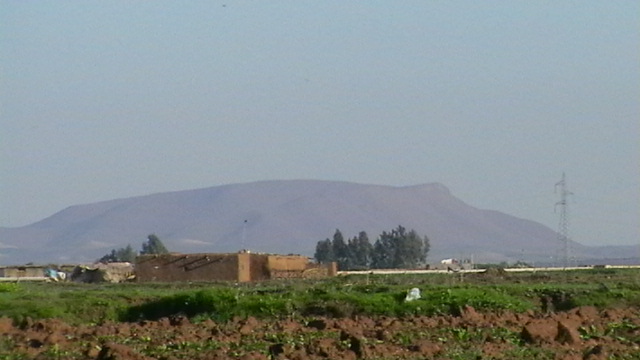
Abda
Arab tribal confederation of western Morocco, descended from Banu Ma'qil
The Abda are an Arab tribal confederation in western Morocco, descended from the Banu Ma'qil. They have lived in the coastal plains since the 12th century and are known for their fertile lands and livestock. The confederation is made up of three main tribes: Bhatra, Rabi'a, and 'Amer.
- Descended from the Banu Ma'qil Arab group
- Live in the coastal plains of western Morocco
- Confederation includes Bhatra, Rabi'a, and 'Amer tribes
- Known for fertile land and livestock, especially horses and cattle
- Recognized as a quasi-Makhzen tribe in the 19th century
Who are the Abda?
The Abda are a tribal confederation of Arab origin in western Morocco. They trace their ancestry to the Banu Ma'qil, a larger Arab group. The Abda are organized into three main tribes: Bhatra, Rabi'a, and 'Amer. Their identity is rooted in shared descent, language, and a history of living together in the same region. The confederation structure helps maintain unity and cooperation among the member tribes.
Where do the Abda live?
The Abda live in the coastal plains of western Morocco. This region is known for its fertile soil and is suitable for both farming and raising livestock. The land supports horses and cattle, which are important to the Abda economy and way of life. The area has been their home since the 12th century, and its resources have shaped their society.
What language do the Abda speak?
The Abda speak Arabic. Their language links them to other Arab groups in Morocco and North Africa. Arabic is used in daily life, in oral traditions, and for religious practices. The sources do not mention any unique dialect or endangered status for their language.
How do the Abda live?
The Abda make their living mainly through farming and herding. Their homeland's fertile land allows them to grow crops and raise livestock, especially horses and cattle. These animals are valued for work, trade, and status. The Abda's way of life has long depended on the land's productivity and their skills in managing animals.
How is Abda society organised?
The Abda are organized as a confederation of three tribes: Bhatra, Rabi'a, and 'Amer. Each tribe has its own internal structure, but they cooperate as a larger group. Descent and kinship are important for identity and social ties. Leadership and decision-making are likely based on tribal customs, though the sources do not give details about chiefs or councils.
What do the Abda believe?
The Abda follow Sunni Islam. Religious practices and beliefs are shared with other Sunni Muslim communities in Morocco. The sources do not describe specific rituals, art, or music unique to the Abda, but Islam shapes their worldview and daily life.
The history of the Abda
The Abda trace their origins to the Banu Ma'qil, an Arab group that settled in Morocco. They established themselves in the coastal plains during the 12th century, under the Almohad Caliphate. The Abda have remained in the region since the end of the Marinid era. In the 19th century, they were described as a powerful tribe with a strong presence and fertile territory. They were considered one of the quasi-Makhzen tribes, meaning they had a special relationship with the central authority.
Abda life today
Today, the Abda remain in western Morocco. Their numbers are not stated in recent sources, but they continue to be recognized as a distinct tribal group. The land remains important for their livelihood. The sources do not mention current pressures or revival efforts, but their identity as an Arab tribal confederation endures.
Questions people ask about the Abda
Where do the Abda live?
The Abda live in the coastal plains of western Morocco, a region known for its fertile land.
How many Abda are there?
The sources do not give a recent population figure. In the 19th century, they were described as 'thirty-five-thousand fires strong.'
What language do the Abda speak?
The Abda speak Arabic, which they use in daily life and religious practice.
What is the Abda's main way of life?
The Abda mainly farm and raise livestock, especially horses and cattle, on their fertile lands.
What is the Abda's religion?
The Abda follow Sunni Islam, sharing religious beliefs and practices with other Sunni Muslims in Morocco.
Sources and further reading
- Abda (Morocco) on WikipediaEncyclopedia
- More photos on Wikimedia CommonsPhotos
- Wikidata recordOpen data
This page was written with AI assistance from the sources above and checked automatically before publishing. It may contain mistakes, and it is no substitute for hearing from the Abda themselves. If something is wrong, tell us. Last refreshed 2026-10-02.
Neighbours in Morocco
All peoples of Morocco Banu Hilal
🇪🇬 Egypt and 7 moreArab tribal confederation from Najd, known for their 11th-century migration to North Africa
About 250,000, Semitic
Banu Hilal
🇪🇬 Egypt and 7 moreArab tribal confederation from Najd, known for their 11th-century migration to North Africa
About 250,000, Semitic
 Banu Khazraj
🇸🇦 Saudi Arabia and 3 moreA South Arabian Arab tribe settled in Medina, known as early supporters of Muhammad
Semitic
Banu Tamim
🇸🇦 Saudi Arabia and 11 moreA widespread Arab tribe with roots in central Arabia
Semitic
Qays
🇸🇦 Saudi Arabia and 7 moreA major Arab tribal confederation of northern Arabia and the early Islamic world
Historical, Semitic
Banu Khazraj
🇸🇦 Saudi Arabia and 3 moreA South Arabian Arab tribe settled in Medina, known as early supporters of Muhammad
Semitic
Banu Tamim
🇸🇦 Saudi Arabia and 11 moreA widespread Arab tribe with roots in central Arabia
Semitic
Qays
🇸🇦 Saudi Arabia and 7 moreA major Arab tribal confederation of northern Arabia and the early Islamic world
Historical, Semitic
Other Semitic speakers
See them all Palestiniansفلسطينيون
🇵🇸 Palestine and 8 moreAn Arab people native to Palestine, with a large diaspora worldwide
About 14 million, Semitic
Palestiniansفلسطينيون
🇵🇸 Palestine and 8 moreAn Arab people native to Palestine, with a large diaspora worldwide
About 14 million, Semitic
 AssyriansĀṯūrāyē / Suryoye / Suryāyē
🇮🇶 Iraq and 14 moreAn indigenous Christian people of northern Mesopotamia, speaking Neo-Aramaic.
About 1.2 million, Semitic
AssyriansĀṯūrāyē / Suryoye / Suryāyē
🇮🇶 Iraq and 14 moreAn indigenous Christian people of northern Mesopotamia, speaking Neo-Aramaic.
About 1.2 million, Semitic
 Twelve Tribes of Israelשִׁבְטֵי־יִשְׂרָאֵל (Šiḇṭê Yiśrāʾēl)
🇮🇱 Israel and 5 moreAncient tribal confederation of the biblical Israelites in Canaan
Historical, Semitic
Twelve Tribes of Israelשִׁבְטֵי־יִשְׂרָאֵל (Šiḇṭê Yiśrāʾēl)
🇮🇱 Israel and 5 moreAncient tribal confederation of the biblical Israelites in Canaan
Historical, Semitic
 Ansarالأنصار
🇸🇦 Saudi ArabiaSupporters of Muhammad from Medina's Banu Aws and Banu Khazraj tribes
Historical, Semitic
Ansarالأنصار
🇸🇦 Saudi ArabiaSupporters of Muhammad from Medina's Banu Aws and Banu Khazraj tribes
Historical, Semitic