
Ngāti Mutunga
Māori iwi from north Taranaki and the Chatham Islands
Ngāti Mutunga is a Māori iwi (tribe) of New Zealand, with ancestral lands in north Taranaki and the Chatham Islands. They are known for their migrations in the 19th century, involvement in the Musket Wars, and their role in the history of the Chatham Islands. Today, their main marae are at Urenui in Taranaki and on the Chatham Islands.
Who are the Ngāti Mutunga?
Ngāti Mutunga is a Māori iwi, or tribe, whose identity is rooted in shared ancestry from the ancestor Mutunga. Their community is held together by whakapapa (genealogy), shared history, and connections to their marae (meeting places) in north Taranaki and the Chatham Islands. The iwi traces its lineage to Mutunga, a grandfather of Toa-rangatira, and maintains strong ties through family, tradition, and collective memory. Their sense of belonging comes from both their ancestral lands and their experiences of migration and adaptation.
Where do the Ngāti Mutunga live?
Ngāti Mutunga's original homeland is in north Taranaki, a region on the west coast of New Zealand's North Island. In the 1830s, many members migrated first to the Wellington area and then to the Chatham Islands, a remote group of islands east of mainland New Zealand. Today, their rohe (tribal area) includes both north Taranaki and the Chatham Islands. The landscape ranges from coastal plains and rivers in Taranaki to the windswept, isolated environment of the Chathams.
What language do the Ngāti Mutunga speak?
Ngāti Mutunga people speak Māori, the Indigenous language of Aotearoa New Zealand. Māori is part of the Austronesian language family. Like many iwi, Ngāti Mutunga works to maintain and revive their language, especially through marae gatherings and cultural activities. The language remains a key part of their identity and connection to their ancestors.
How do the Ngāti Mutunga live?
Traditionally, Ngāti Mutunga relied on farming and fishing, making use of the rich resources of both Taranaki and the Chatham Islands. They cultivated crops, gathered seafood, and adapted to the environments they settled in. Over time, many have also taken up wage work in towns and cities. Their marae serve as cultural and social centres, supporting community life and traditional practices.
How is Ngāti Mutunga society organised?
Ngāti Mutunga society is organised around extended families and hapū (sub-tribes), with descent traced through whakapapa. Decision-making often involves elders and respected leaders, with marae acting as focal points for discussion and ceremony. Marriage and kinship ties link them to neighbouring iwi, and collective action has been important in times of migration and land disputes.
What do the Ngāti Mutunga believe?
Spiritual life for Ngāti Mutunga centres on traditional Māori beliefs, with respect for ancestors and the land. Rituals and gatherings at marae remain important, and art forms such as tā moko (tattooing) are practiced by some. Music, oral history, and communal events help maintain their cultural heritage. Dress and customs reflect both tradition and adaptation to modern life.
The history of the Ngāti Mutunga
Ngāti Mutunga's history includes displacement from their Taranaki homeland during the Musket Wars, migration to Wellington, and then to the Chatham Islands in the 1830s. On the Chathams, they and Ngāti Tama attacked and enslaved the Moriori people, causing great harm. In Taranaki, their land was later confiscated by the colonial government, though some was returned. The iwi has been involved in Treaty of Waitangi claims, seeking redress for past injustices. In recent years, they have signed settlements with the New Zealand government for both Taranaki and Chatham Islands claims.
Ngāti Mutunga life today
Ngāti Mutunga remains a living iwi, with about 2,000 members as of 2007. They have active organisations representing their interests in both Taranaki and the Chatham Islands. Recent Treaty settlements have returned land and resources, supporting cultural and economic renewal. The iwi continues to maintain its marae, language, and traditions while adapting to contemporary life in New Zealand.
Questions people ask about the Ngāti Mutunga
Where do the Ngāti Mutunga live?
The Ngāti Mutunga live in New Zealand, in the north Taranaki and the Chatham Islands.
How many Ngāti Mutunga people are there?
Our sources give the Ngāti Mutunga population as about 2,000 (c. 2007). Counts of peoples vary with who is counted and when.
What language do the Ngāti Mutunga speak?
The Ngāti Mutunga speak Māori, which belongs to the Austronesian family of languages.
How do the Ngāti Mutunga make a living?
The Ngāti Mutunga are known for settled farming, fishing and the sea and towns and wage work. Like most peoples, they combine several ways of making a living, and these have changed over time.
Sources and further reading
- Ngāti Mutunga on WikipediaEncyclopedia
- More photos on Wikimedia CommonsPhotos
- Wikidata recordOpen data
This page was written with AI assistance from the sources above and checked automatically before publishing. It may contain mistakes, and it is no substitute for hearing from the Ngāti Mutunga themselves. If something is wrong, tell us. Last refreshed 2026-10-02.
Neighbours in New Zealand
All peoples of New Zealand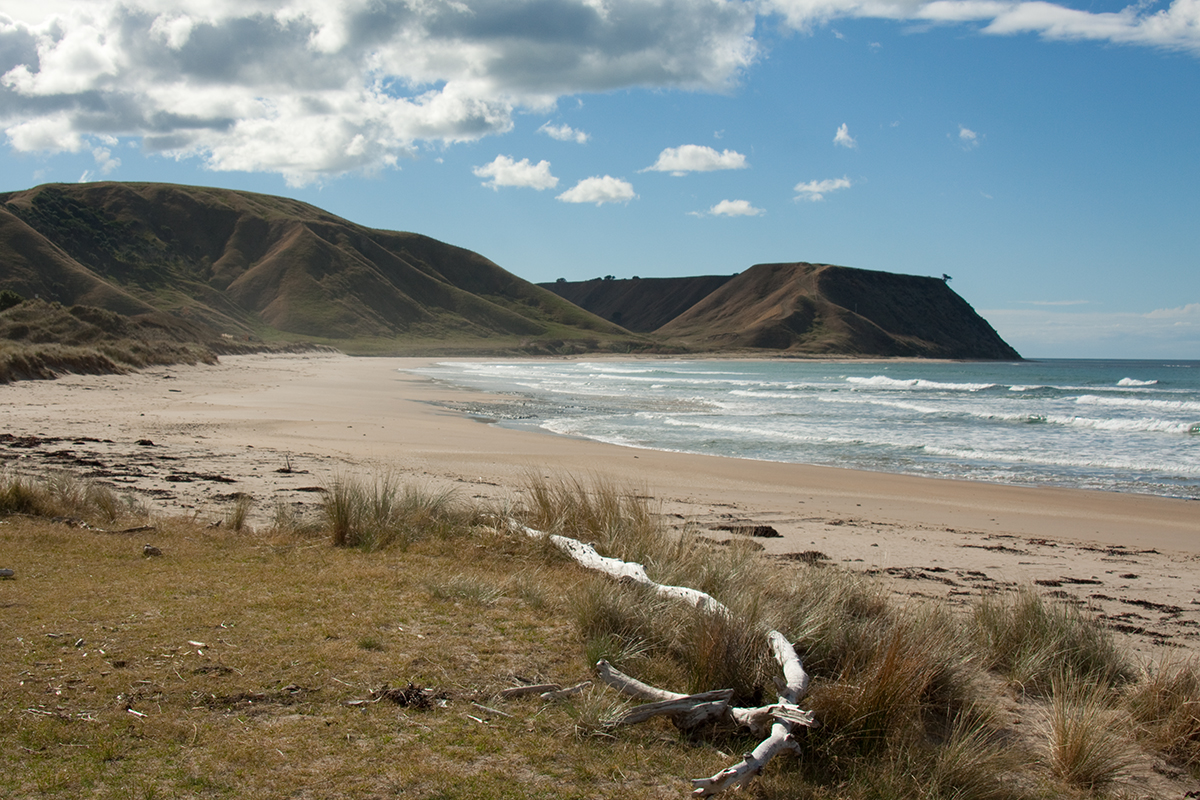 Ngāi Tahu
🇳🇿 New ZealandThe principal Māori iwi of New Zealand's South Island
About 85,000, Austronesian
Ngāi Tahu
🇳🇿 New ZealandThe principal Māori iwi of New Zealand's South Island
About 85,000, Austronesian
 Ngāpuhi
🇳🇿 New ZealandLargest Māori iwi of New Zealand's Northland region
About 184,000, Austronesian
Ngāpuhi
🇳🇿 New ZealandLargest Māori iwi of New Zealand's Northland region
About 184,000, Austronesian
 Ngāti Kahungunu
🇳🇿 New ZealandA major Māori iwi of New Zealand’s eastern North Island
About 82,000, Austronesian
Ngāti Kahungunu
🇳🇿 New ZealandA major Māori iwi of New Zealand’s eastern North Island
About 82,000, Austronesian
 Ngāti Porou
🇳🇿 New ZealandA large Māori iwi from the East Cape and Gisborne regions of New Zealand
About 102,000, Austronesian
Ngāti Porou
🇳🇿 New ZealandA large Māori iwi from the East Cape and Gisborne regions of New Zealand
About 102,000, Austronesian
Other Austronesian speakers
See them all MalaysOrang Melayu
🇲🇾 Malaysia and 4 moreAustronesian people of the Malay Peninsula, Sumatra, Borneo and nearby islands
About 30 million, Austronesian
MalaysOrang Melayu
🇲🇾 Malaysia and 4 moreAustronesian people of the Malay Peninsula, Sumatra, Borneo and nearby islands
About 30 million, Austronesian
 Minangkabaubangso Minangkabau
🇮🇩 Indonesia and 3 moreMatrilineal Muslim society from the highlands of West Sumatra
About 6.6 million, Austronesian
Minangkabaubangso Minangkabau
🇮🇩 Indonesia and 3 moreMatrilineal Muslim society from the highlands of West Sumatra
About 6.6 million, Austronesian
 Sundaneseᮅᮛᮀ ᮞᮥᮔ᮪ᮓ (Urang Sunda)
🇮🇩 Indonesia and 3 moreThe native people of western Java, Indonesia, known for their language and traditions
About 42 million, Austronesian
Sundaneseᮅᮛᮀ ᮞᮥᮔ᮪ᮓ (Urang Sunda)
🇮🇩 Indonesia and 3 moreThe native people of western Java, Indonesia, known for their language and traditions
About 42 million, Austronesian
 Balineseanak Bali
🇮🇩 IndonesiaHindu-majority people of Bali, known for art, dance, and water-temple farming
About 3.9 million, Austronesian
Balineseanak Bali
🇮🇩 IndonesiaHindu-majority people of Bali, known for art, dance, and water-temple farming
About 3.9 million, Austronesian