
Western Apache
They call themselves Ndee (Indé)
Apache peoples of east-central Arizona, living on several reservations
The Western Apache are an Indigenous people of North America, mainly living in east-central Arizona, United States, with some historic presence in northern Mexico. They are organized into several federally recognized tribes, including the White Mountain and San Carlos Apache, and speak the Western Apache language, which is actively preserved. Their population includes about 14,000 speakers of their language.
- Most Western Apache live on reservations in east-central Arizona
- About 14,000 people still speak the Western Apache language
- They are organized into federally recognized tribes
- Traditional crafts like basket weaving and silver jewelry are taught in schools
- Some bands have mixed Apache-Yavapai ancestry and bilingual ties
Who are the Western Apache?
The Western Apache are a group of Indigenous peoples who live mainly in east-central Arizona. They are one of several Apache groups and are organized into bands and tribes, each with its own history and dialect. Their shared language, kinship ties, and traditions hold them together. Today, most live on reservations such as the Fort Apache, San Carlos, and Tonto Apache reservations, and are members of federally recognized tribes. They call themselves Ndee or Indé, meaning 'The People.'
Where do the Western Apache live?
The Western Apache homeland covers a broad area of east-central Arizona, including the White Mountains, Salt River, Gila River valleys, and the Mogollon Rim. Historically, their territory extended into parts of Sonora and Chihuahua in northern Mexico. The land includes mountains, canyons, rivers, and forests, which have shaped their way of life. Today, most Western Apache live on reservations that are based in these traditional areas.
What language do the Western Apache speak?
Western Apache speak a language they call Ndéé biyáti’ or Nnéé biyáti’, part of the Southern Athabaskan language family. This language is closely related to other Apachean languages but is distinct from Navajo. About 14,000 people still speak Western Apache, and there are active efforts to preserve it, including bilingual education in tribal schools. However, many children now grow up speaking English, with some Spanish influence.
How do the Western Apache live?
Traditionally, the Western Apache combined farming with foraging, growing crops near waterways and gathering wild plants and hunting game. They made baskets, bows, arrows, and other tools, and crafted silver jewelry. Today, many continue these crafts, while others work in wage jobs or tribal enterprises. Houses and tools have changed over time, but skills such as basket weaving and regalia making are still taught in tribal schools.
How is Western Apache society organised?
Western Apache society is organized into bands and clans, each with its own leaders and territory. Kinship and clan ties are important, and descent is traced through family lines. Marriage and social rules vary among groups. Decision-making often involves elders and respected leaders. Some bands have mixed ancestry or bilingual ties with neighboring groups, such as the Yavapai, and have formed joint communities.

What do the Western Apache believe?
The sources do not describe Western Apache religious beliefs in detail. However, tribal schools teach traditional crafts and regalia making, which are important in ceremonies and cultural life. Music, art, and ritual are part of their identity, and skills such as basket weaving and jewelry making are passed down through generations.
The history of the Western Apache
The Western Apache have lived in their homeland for centuries, forming distinct bands such as the White Mountain, Cibecue, San Carlos, and Tonto Apache. Their territory once extended into Mexico. Over time, they faced pressures from settlers and the U.S. government, leading to confinement on reservations. Some groups, like the Cibecue and Tonto Apache, were relocated and merged with other bands. Despite these changes, they have maintained their language and many traditions.
Western Apache life today
Today, the Western Apache live mainly on reservations in Arizona and are organized into federally recognized tribes. They work to preserve their language and culture through education and community programs. While many now speak English and participate in the wider economy, traditional crafts and social structures remain important. There are ongoing efforts to maintain their rights, land, and identity in the face of modern pressures.
Questions people ask about the Western Apache
Where do the Western Apache live?
The Western Apache mainly live in east-central Arizona, United States, on several reservations including Fort Apache, San Carlos, and Tonto Apache reservations.
How many Western Apache are there?
There are about 14,000 speakers of the Western Apache language, but the total population is not specified in the sources.
What language do the Western Apache speak?
They speak Western Apache, a Southern Athabaskan language, though many also speak English and some Spanish.
What are the main groups or bands of the Western Apache?
The main groups include the White Mountain, Cibecue, San Carlos, and Tonto Apache, each with its own bands and clans.
What are the main ways the Western Apache make a living?
Traditionally, they farmed, foraged, and made crafts. Today, many also work in wage jobs and tribal enterprises.
Sources and further reading
This page was written with AI assistance from the sources above and checked automatically before publishing. It may contain mistakes, and it is no substitute for hearing from the Western Apache themselves. If something is wrong, tell us. Last refreshed 2026-10-02.
Neighbours in the United States
All peoples of the United States NavajoDiné
🇺🇸 United States and 1 moreLargest Native nation in the US Southwest, known for weaving and resilience
About 399,000, Southern Athabaskan
NavajoDiné
🇺🇸 United States and 1 moreLargest Native nation in the US Southwest, known for weaving and resilience
About 399,000, Southern Athabaskan
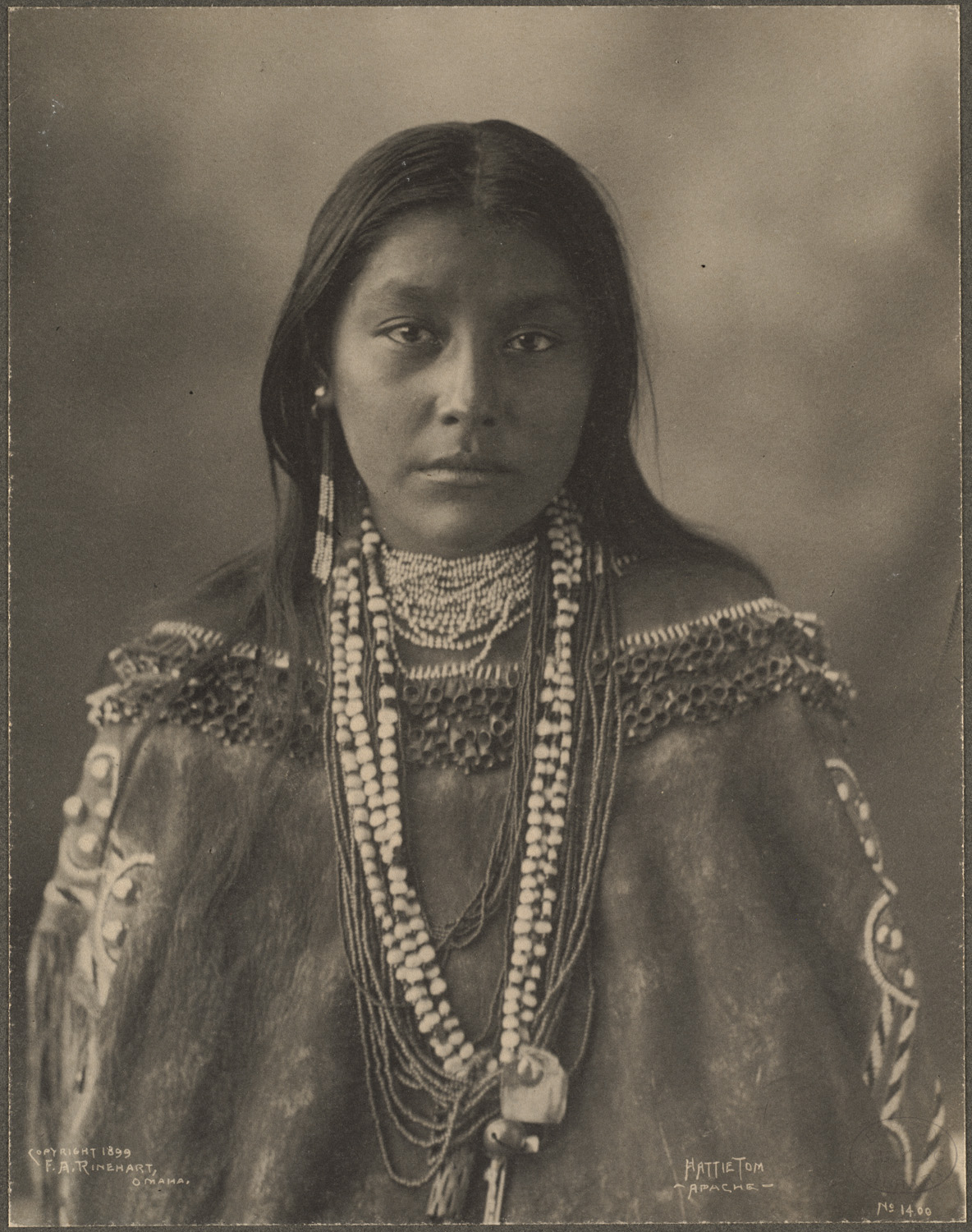 ChiricahuaNde
🇺🇸 United States and 1 moreApache people of the US Southwest and northern Mexico
About 4,000, Southern Athabaskan
ChiricahuaNde
🇺🇸 United States and 1 moreApache people of the US Southwest and northern Mexico
About 4,000, Southern Athabaskan
 Jicarilla ApacheJicarilla Dindéi
🇺🇸 United StatesSeminomadic Apache people of northern New Mexico and southern Colorado
About 3,000, Southern Athabaskan
Jicarilla ApacheJicarilla Dindéi
🇺🇸 United StatesSeminomadic Apache people of northern New Mexico and southern Colorado
About 3,000, Southern Athabaskan
 Jewsיהודים
🇮🇱 Israel and 11 moreAn ethnoreligious group with ancient roots in Israel and a global presence today
About 15 million
Jewsיהודים
🇮🇱 Israel and 11 moreAn ethnoreligious group with ancient roots in Israel and a global presence today
About 15 million