Doukkala
Berber-Arab tribal confederation of Morocco's Atlantic plains
The Doukkala are a confederation of tribes in western Morocco, historically Berber but now largely of Arab Bedouin descent. They live in the fertile plains between the Oum Er-Rbia and Tensift rivers, where they have long practiced farming and animal husbandry. Today, most Doukkala speak Arabic and maintain traditions shaped by both Berber and Bedouin roots.
- Doukkala is a confederation of five main tribal divisions (khams khmas).
- Most Doukkala today are of Bedouin Arab descent, especially Banu Hilal.
- The region is famous for fantasia, a traditional horse and gunpowder display.
- Their homeland is a fertile plain between the Oum Er-Rbia and Tensift rivers.
- By the 1960s, the population was estimated at about 360,000.
Who are the Doukkala?
The Doukkala are a tribal confederation whose identity has shifted over centuries. Originally, they were a group of Berber tribes, mainly Masmuda and Sanhaja, living in the plains of western Morocco. Over time, especially after the 12th century, Arab Bedouin tribes, notably the Banu Hilal, settled in the region. Today, most Doukkala trace their ancestry to these Bedouin groups, but their society still reflects both Berber and Arab traditions. The confederation is organized into five main tribal divisions, known as khams khmas, which remain a symbol of unity and strength.
Where do the Doukkala live?
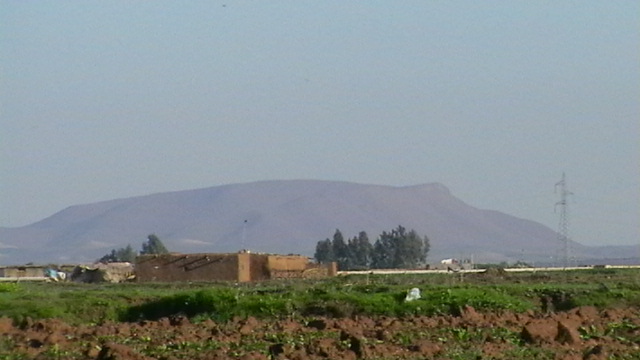
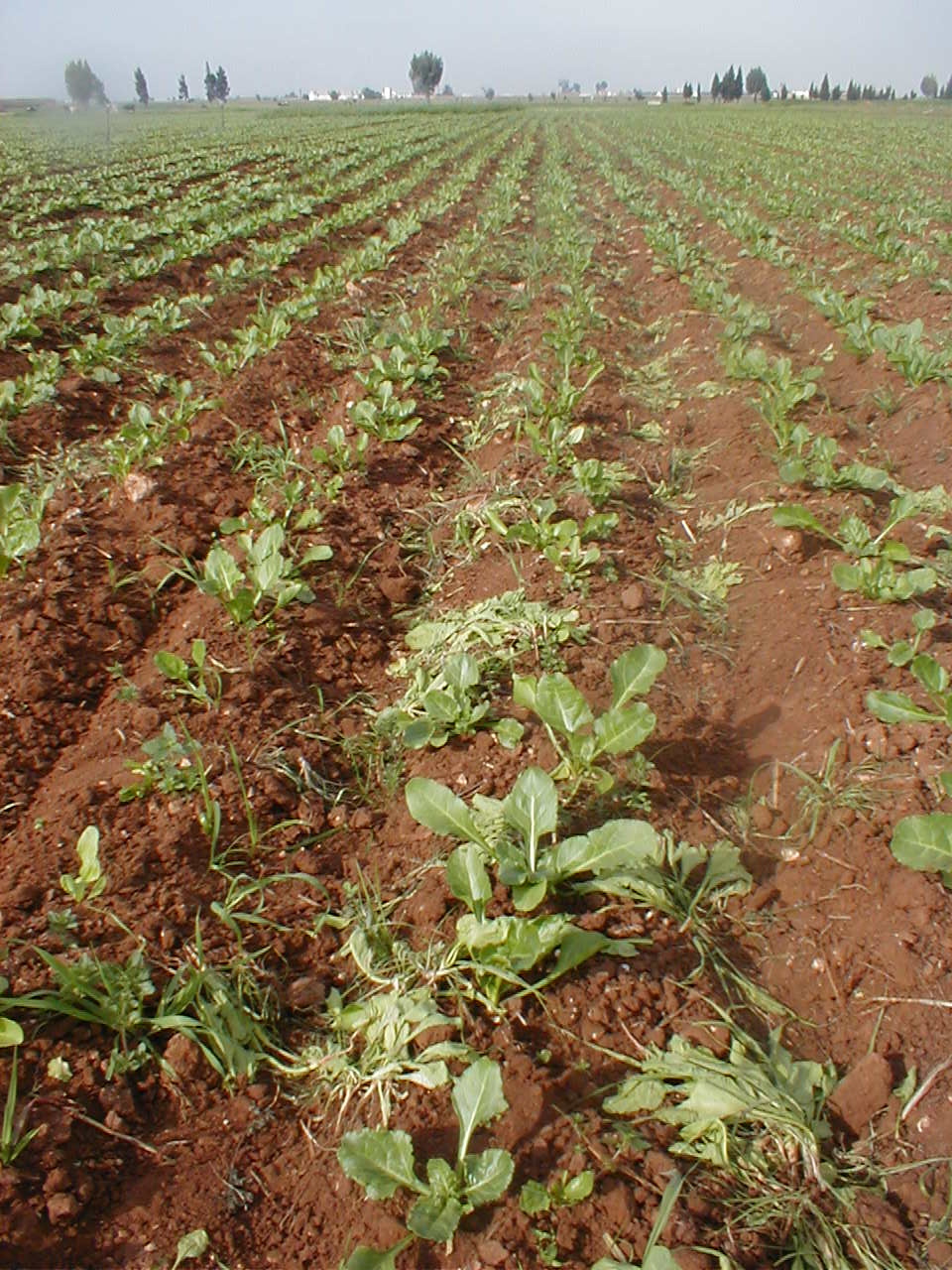
Doukkala's homeland is a broad, fertile plain along Morocco's Atlantic coast, stretching from south of Sidi Rahal Chatai to near Marrakesh. The region is divided into three zones: the coastal Oulja, known for gardens; the Sahel, a stony belt suited to sheep; and the rich inland plain, where wheat and sugar beets are grown and cattle are raised. The landscape is mostly flat, with the lone hill of Jbel Lakhdar marking its eastern edge. Seasonal flooding sometimes creates a temporary lake, Ouarar.
What language do the Doukkala speak?
Most Doukkala now speak Arabic, reflecting their Bedouin heritage. Earlier, Berber languages were spoken, especially among the original Masmuda and Sanhaja tribes. The shift to Arabic accelerated after the arrival of the Banu Hilal and other Arab groups. Today, Berber languages are no longer widely used in the region.
How do the Doukkala live?
The Doukkala have long relied on both farming and herding. The fertile plains support wheat, sugar beet, and intensive cattle breeding. Along the coast, gardens thrive, while the Sahel zone is better for sheep. Historically, some Doukkala led a semi-nomadic life, moving with their herds, but most have become settled farmers. Their tools and houses reflect rural Moroccan traditions, and animal husbandry remains important.
How is Doukkala society organised?
Doukkala society is organized into five main tribal divisions, called khams khmas. This structure was formalized by the Moroccan state for tax and military purposes but became a lasting symbol of Doukkali identity. Each khoms includes several tribes, such as Oulad Bu Aziz and Oulad Frej. Traditionally, leadership was local, with decisions made by elders or chiefs. Family and lineage remain important, and tribal ties are strong.



What do the Doukkala believe?
The sources do not detail Doukkala religious beliefs, but the region has long been predominantly Muslim. Sufi influences have shaped local traditions, as seen in historical revolts led by Sufi leaders. The Doukkala are known for participating in fantasia, a traditional display of horsemanship and gunpowder play, which is both a sport and a cultural celebration. Music, dress, and ritual reflect broader Moroccan rural customs.
The history of the Doukkala
Doukkala was originally home to Berber tribes, mainly Masmuda and Sanhaja. In the 12th century, after siding against the Almohads, many Doukkala were defeated and displaced, with some sold into slavery. The Almohads settled Arab Bedouin tribes, especially the Banu Hilal, in the region to control the Berber population. Over time, the Arab population grew, and by 1500, Arabs made up most of the people in Doukkala. The tribal confederation persisted, organized into five khoms. During the French protectorate, the structure remained, and by the 1960s, the Doukkala were mostly settled or semi-nomadic herders and farmers.
Doukkala life today
Today, the Doukkala live mainly in the Casablanca-Settat region of Morocco. The population is estimated at around 360,000 in the 1960s, with most people now settled in rural towns and villages. Their tribal structure and traditions remain important, though pressures from modernization and agricultural change affect their way of life. The Doukkala region is still known for its agriculture and rural culture.
Questions people ask about the Doukkala
Where do the Doukkala live?
The Doukkala live in the fertile plains of western Morocco, between the Oum Er-Rbia and Tensift rivers, mainly in the Casablanca-Settat region.
How many Doukkala are there?
The Doukkala population was estimated at about 360,000 in the 1960s, according to anthropologist David Montgomery Hart.
What language do the Doukkala speak?
Most Doukkala now speak Arabic, reflecting their Bedouin heritage. Earlier, Berber languages were also spoken.
What is the traditional way of life for the Doukkala?
The Doukkala have traditionally made their living through farming and herding, with some leading a semi-nomadic lifestyle. Today, most are settled farmers.
What is fantasia and why is it important to the Doukkala?
Fantasia is a traditional display of horsemanship and gunpowder play. It is a celebrated cultural event among the Doukkala and other Moroccan tribes.
Sources and further reading
This page was written with AI assistance from the sources above and checked automatically before publishing. It may contain mistakes, and it is no substitute for hearing from the Doukkala themselves. If something is wrong, tell us. Last refreshed 2026-10-02.
Neighbours in Morocco
All peoples of Morocco Bedouinبدو
🇸🇦 Saudi Arabia and 15 moreNomadic and semi-nomadic Arab tribes of deserts from Arabia to North Africa
About 22 million, Afro-Asiatic
Sanhaja
🇲🇦 Morocco and 9 moreA historic Berber confederation spread across North and West Africa
Afro-Asiatic
Bedouinبدو
🇸🇦 Saudi Arabia and 15 moreNomadic and semi-nomadic Arab tribes of deserts from Arabia to North Africa
About 22 million, Afro-Asiatic
Sanhaja
🇲🇦 Morocco and 9 moreA historic Berber confederation spread across North and West Africa
Afro-Asiatic
 BerbersImaziɣen
🇲🇦 Morocco and 8 moreIndigenous peoples of North Africa with deep roots in the Maghreb
About 25 million, Afroasiatic
BerbersImaziɣen
🇲🇦 Morocco and 8 moreIndigenous peoples of North Africa with deep roots in the Maghreb
About 25 million, Afroasiatic
 ZenataIznaten
🇲🇦 Morocco and 5 moreA major Berber tribal confederation of the Maghreb, once nomadic and semi-nomadic
Historical, Afro-Asiatic (Berber branch)
ZenataIznaten
🇲🇦 Morocco and 5 moreA major Berber tribal confederation of the Maghreb, once nomadic and semi-nomadic
Historical, Afro-Asiatic (Berber branch)
Other Afro-Asiatic speakers
See them all Quraysh
🇸🇦 Saudi ArabiaMerchant Arab tribe of Mecca, central in early Islamic history
Afro-Asiatic
Quraysh
🇸🇦 Saudi ArabiaMerchant Arab tribe of Mecca, central in early Islamic history
Afro-Asiatic
 HausaHausawa
🇳🇬 Nigeria and 20 moreA major West African people of the Sahel and savanna, known for trade and Islamic heritage
About 86 million, Afro-Asiatic
HausaHausawa
🇳🇬 Nigeria and 20 moreA major West African people of the Sahel and savanna, known for trade and Islamic heritage
About 86 million, Afro-Asiatic
 Abbasidsالعباسيون
🇮🇶 Iraq and 3 moreArab dynasty that ruled the Abbasid Caliphate from 750 to 1258
Historical, Afro-Asiatic
Abbasidsالعباسيون
🇮🇶 Iraq and 3 moreArab dynasty that ruled the Abbasid Caliphate from 750 to 1258
Historical, Afro-Asiatic
 Tribe of Judahשֵׁבֶט יְהוּדָה (Shevet Yehudah)
🇮🇱 Israel and 2 moreA leading tribe of ancient Israel, centered in southern Judea
Historical, Afro-Asiatic
Tribe of Judahשֵׁבֶט יְהוּדָה (Shevet Yehudah)
🇮🇱 Israel and 2 moreA leading tribe of ancient Israel, centered in southern Judea
Historical, Afro-Asiatic