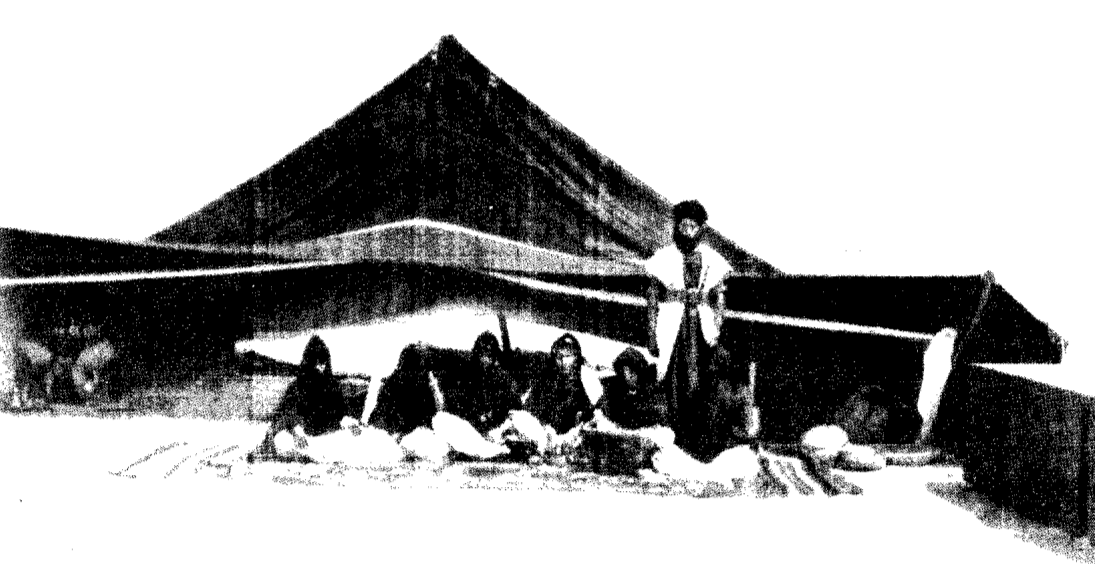
Rizeigat
Nomadic herders of Darfur and Chad, divided into camel and cattle herding groups
The Rizeigat are a Muslim Arab tribe living mainly in Sudan's Darfur region and eastern Chad, numbering around 400,000. They are known for their nomadic lifestyle, herding camels in the north and cattle in the south, and for their involvement in regional conflicts, including as part of the Janjaweed militia.
- Divided into camel-herding (Abbala) and cattle-herding (Baggara) groups
- Live mainly in Darfur, Sudan, and eastern Chad
- Speak Sudanese and Chadian Arabic
- Number about 400,000 people
- Involved in regional conflicts, including as part of the Janjaweed
Who are the Rizeigat?
The Rizeigat are a large Arab tribe of the Baggara group, living mainly in Darfur, Sudan, and eastern Chad. They are united by a shared language, Sunni Muslim faith, and a nomadic way of life centered on herding. The tribe is divided into northern camel-herding (Abbala) and southern cattle-herding (Baggara) groups, each with several major clans such as the Mahamid, Mahariya, and Nawaiba. Their identity is closely tied to their herding traditions and clan structure.
Where do the Rizeigat live?
The Rizeigat live in the dry savanna and semi-desert regions of Darfur in western Sudan and in eastern Chad, including areas around Arada in the Wadi Fira region. The northern Rizeigat do not have a fixed tribal homeland (Dar) but move seasonally, setting up temporary settlements (Damra) within lands of other tribes. The southern Rizeigat are more settled in East Darfur, with their tribal capital at Ed Daein.
What language do the Rizeigat speak?
The Rizeigat speak Sudanese Arabic and Chadian Arabic, both varieties of the Arabic language. These dialects are widely used among nomadic and settled groups in the region. Language is a key part of their identity and daily life, serving as a link within their own community and with neighboring peoples.
How do the Rizeigat live?
The Rizeigat are primarily nomadic herders. In the north, they herd camels, which are central to their status and economy. In the south, they herd cattle. Their movements and settlements depend on seasonal changes and the search for grazing land and water. Camels and cattle are not only sources of food and income but also define social standing and relationships with other communities. Increasing farming, climate change, and new laws have made their traditional way of life more difficult.
How is Rizeigat society organised?
Rizeigat society is organized into large clans, with leadership often held by prominent families such as the Madibbo in the south. Clan and family ties are strong, and decisions are made within these structures. Marriage and descent follow traditional patterns, and authority is often linked to both lineage and wealth in livestock. Education is increasingly valued, but access is limited for nomads, encouraging some to settle.
What do the Rizeigat believe?
The Rizeigat are Sunni Muslims, and Islam shapes their daily life, rituals, and festivals. Religious leaders and practices are important in community life. Traditional dress and music are part of their cultural expression, and the social importance of camels and cattle is reflected in ceremonies and status symbols.
The history of the Rizeigat
Historically, the Rizeigat have been known for their resistance to outside control, notably defeating the Fur Sultans' campaigns in the 19th century. They played a significant role in the Mahdist revolt in Darfur. In recent decades, the Rizeigat have been involved in regional conflicts, including as part of the Janjaweed militia during the Darfur conflict and as mounted raiders (Murahileen) during the Second Sudanese Civil War. These conflicts have brought both notoriety and hardship to the community.
Rizeigat life today
Today, the Rizeigat number about 400,000. They face pressures from land loss, climate change, and conflict. Their involvement in recent conflicts has affected their reputation and relations with neighbors. Many Rizeigat seek more education and some are moving towards a settled life. Access to land and resources remains a challenge, and their future is shaped by both tradition and change.
Questions people ask about the Rizeigat
Where do the Rizeigat live?
The Rizeigat mainly live in Darfur in western Sudan and in eastern Chad, moving seasonally for grazing.
How many Rizeigat are there?
There are about 400,000 Rizeigat, according to available sources.
What language do the Rizeigat speak?
They speak Sudanese Arabic and Chadian Arabic, both varieties of the Arabic language.
What is the main way the Rizeigat make a living?
The Rizeigat are primarily nomadic herders, raising camels in the north and cattle in the south.
What religion do the Rizeigat follow?
The Rizeigat are Sunni Muslims, and Islam is central to their community life and traditions.
Sources and further reading
This page was written with AI assistance from the sources above and checked automatically before publishing. It may contain mistakes, and it is no substitute for hearing from the Rizeigat themselves. If something is wrong, tell us. Last refreshed 2026-10-02.
Neighbours in Sudan
All peoples of Sudan FulaniFulɓe
🇳🇬 Nigeria and 21 moreCattle herders and farmers spread across West and Central Africa
About 39 million, Atlantic-Congo (Niger-Congo)
FulaniFulɓe
🇳🇬 Nigeria and 21 moreCattle herders and farmers spread across West and Central Africa
About 39 million, Atlantic-Congo (Niger-Congo)
 Bedouinبدو
🇸🇦 Saudi Arabia and 15 moreNomadic and semi-nomadic Arab tribes of deserts from Arabia to North Africa
About 22 million, Afro-Asiatic
Bedouinبدو
🇸🇦 Saudi Arabia and 15 moreNomadic and semi-nomadic Arab tribes of deserts from Arabia to North Africa
About 22 million, Afro-Asiatic
 HausaHausawa
🇳🇬 Nigeria and 20 moreA major West African people of the Sahel and savanna, known for trade and Islamic heritage
About 86 million, Afro-Asiatic
HausaHausawa
🇳🇬 Nigeria and 20 moreA major West African people of the Sahel and savanna, known for trade and Islamic heritage
About 86 million, Afro-Asiatic
 OromoOromoo
🇪🇹 Ethiopia and 4 moreCushitic-speaking people of Ethiopia and Kenya, known for the gadaa system
About 25 million, Cushitic
OromoOromoo
🇪🇹 Ethiopia and 4 moreCushitic-speaking people of Ethiopia and Kenya, known for the gadaa system
About 25 million, Cushitic