
Lugbara
Farmers and herders of Uganda and the Congo, known for guineafowl and rich traditions
The Lugbara are a Central Sudanic people living mainly in Uganda's West Nile region and the adjoining area of the Democratic Republic of the Congo, with a smaller presence in South Sudan. Numbering about 2.1 million, they are known for their farming, guineafowl keeping, and a mix of Christian, Muslim, and traditional beliefs. Their language, Lugbara, is closely related to that of the Madi.
- Predominant keepers of guineafowl in Uganda
- Speak Lugbara, a Central Sudanic language
- Known for their proverbs and oral traditions
- Live mainly in Uganda's West Nile and northeastern Congo
- Cultural symbol is a leopard with 300 spots
Who are the Lugbara?
The Lugbara are a Central Sudanic people whose communities stretch across the West Nile region of Uganda and into the northeastern Democratic Republic of the Congo, with a small number in South Sudan. They are united by their language, Lugbara, and a shared history of farming, animal keeping, and rich oral traditions. The Lugbara are organized in chiefdoms rather than kingdoms, and their society values local leadership and alliances. They are known for their proverbs, ceremonies, and a cultural symbol of a leopard with 300 spots.
Where do the Lugbara live?
The Lugbara homeland covers the West Nile region of Uganda, including districts such as Arua, Maracha, Terego, Madi-Okollo, Yumbe, and Koboko. Their territory extends into the adjoining northeastern part of the Democratic Republic of the Congo and touches parts of South Sudan. The land is a mix of fertile plains and higher elevations, suitable for both crop farming and livestock rearing. This borderland setting has shaped their interactions and alliances with neighboring peoples.
What language do the Lugbara speak?
Lugbara speak the Lugbara language, which belongs to the Central Sudanic branch of the Nilo-Saharan family. Several dialects exist, such as Ayivu, Maracha, Terego, Vurra, and Aringa, but these are mutually intelligible. Lugbara is closely related to the language of the Madi people. English is also spoken, especially in Uganda. The language remains vital in daily life and cultural expression.
How do the Lugbara live?
Traditionally, the Lugbara are settled farmers, growing cassava as their main staple along with millet, sorghum, legumes, beans, pigeon peas, and root crops. They also keep livestock, especially guineafowl, which they are known for in Uganda, as well as chickens, goats, pigs, and cattle in higher areas. Tobacco is an important cash crop, and they also grow groundnuts, sesame, chickpeas, sweet potatoes, maize (for brewing), and increasingly, fruits like avocado, pineapple, and mango. Their homes and tools reflect local resources and farming needs.
How is Lugbara society organised?
Lugbara society is organized around chiefdoms, not kingdoms. Leadership is local, with chiefs guiding their communities. In the past, every able-bodied man was expected to defend the village, rather than relying on a standing army. Family and clan ties are strong, and special ceremonies like Cikiri mark important events such as the naming of a child. Alliances with neighboring groups have been important for security and cooperation. Marriage and descent are shaped by local customs and clan relationships.

What do the Lugbara believe?
The Lugbara have a mix of religious beliefs. Traditionally, they practiced animism and have a rich mythology, but today most Lugbara are Christian (mainly Roman Catholic and Anglican) or Muslim (mainly Sunni). Rituals, ceremonies, and proverbs play a key role in their culture. Art, music, and dress have adapted over time, with traditional clothing once including grass skirts or leaves. Their cultural symbol is a leopard with 300 spots, reflecting their identity.
The history of the Lugbara
Historically, the Lugbara lived in chiefdoms and formed alliances with neighboring groups for mutual security. They were known as skilled hunters and farmers. In the late 19th century, some Lugbara in Congo were described for their distinctive dress, often using grass skirts or leaves. Over time, their staple foods shifted from millet and sorghum to cassava, especially after droughts in the 1960s. The Lugbara have published collections of their proverbs and customs, preserving their heritage. Notable Lugbara include athletes and public figures such as Dorcus Inzikuru and Jackson Asiku.
Lugbara life today
Today, the Lugbara number over two million, mostly in Uganda and Congo. They continue to farm and keep livestock, and their language and traditions remain strong. Christianity and Islam are now the main religions. The Lugbara face pressures from modernization and changing economies but maintain a vibrant cultural life. Their proverbs, ceremonies, and community ties are important in daily life.
Questions people ask about the Lugbara
Where do the Lugbara live?
The Lugbara mainly live in Uganda's West Nile region and the adjoining area of the Democratic Republic of the Congo, with a small number in South Sudan.
How many Lugbara are there?
There are about 2,091,000 Lugbara, with most living in Uganda and the Democratic Republic of the Congo.
What language do the Lugbara speak?
The Lugbara speak the Lugbara language, which is part of the Central Sudanic language family. English is also spoken in Uganda.
What do the Lugbara do for a living?
The Lugbara are mainly farmers, growing cassava, millet, sorghum, and other crops. They also keep livestock, especially guineafowl, and grow cash crops like tobacco.
What religions do the Lugbara follow?
Most Lugbara are Christian (mainly Roman Catholic and Anglican) or Muslim (mainly Sunni), but traditional beliefs and mythology are also part of their culture.
Sources and further reading
- Lugbara people on WikipediaEncyclopedia
- Encyclopaedia BritannicaArticle
- More photos on Wikimedia CommonsPhotos
- Wikidata recordOpen data
This page was written with AI assistance from the sources above and checked automatically before publishing. It may contain mistakes, and it is no substitute for hearing from the Lugbara themselves. If something is wrong, tell us. Last refreshed 2026-10-02.
Neighbours in Uganda
All peoples of Uganda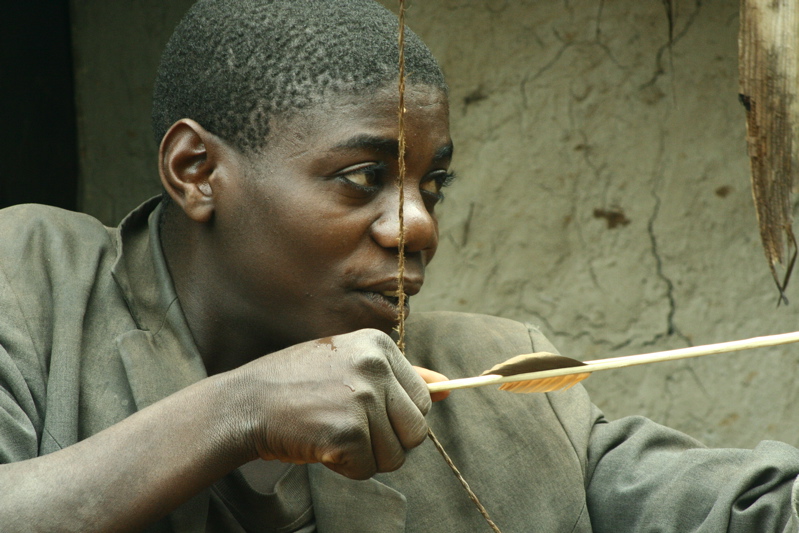 Pygmy peoples
🇨🇩 Democratic Republic of the Congo and 7 moreShort-statured hunter-gatherer groups of the Congo Basin and Central Africa
About 920,000
Pygmy peoples
🇨🇩 Democratic Republic of the Congo and 7 moreShort-statured hunter-gatherer groups of the Congo Basin and Central Africa
About 920,000
 KalenjinBiikap Kuutiit
🇰🇪 Kenya and 4 moreA cluster of Nilotic-speaking peoples of Kenya's Rift Valley and beyond
About 7.5 million, Southern Nilotic (Nilo-Saharan)
KalenjinBiikap Kuutiit
🇰🇪 Kenya and 4 moreA cluster of Nilotic-speaking peoples of Kenya's Rift Valley and beyond
About 7.5 million, Southern Nilotic (Nilo-Saharan)
 Baganda
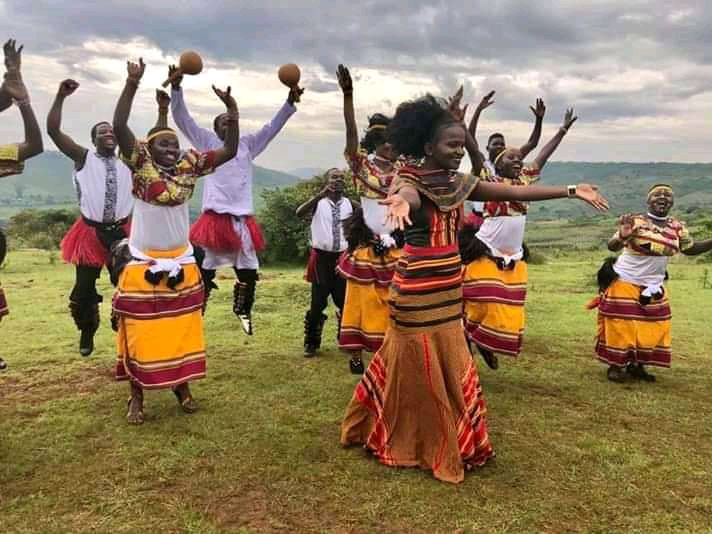
🇺🇬 UgandaLargest ethnic group of Uganda, organized by clans in the Buganda kingdom
About 7 million, Bantu
Baganda
🇺🇬 UgandaLargest ethnic group of Uganda, organized by clans in the Buganda kingdom
About 7 million, Bantu
 Iteso
🇺🇬 Uganda and 2 moreNilotic farmers and herders of eastern Uganda and western Kenya
About 2.8 million, Nilotic
Iteso
🇺🇬 Uganda and 2 moreNilotic farmers and herders of eastern Uganda and western Kenya
About 2.8 million, Nilotic