
Wichí
Indigenous forest and river people of Argentina and Bolivia
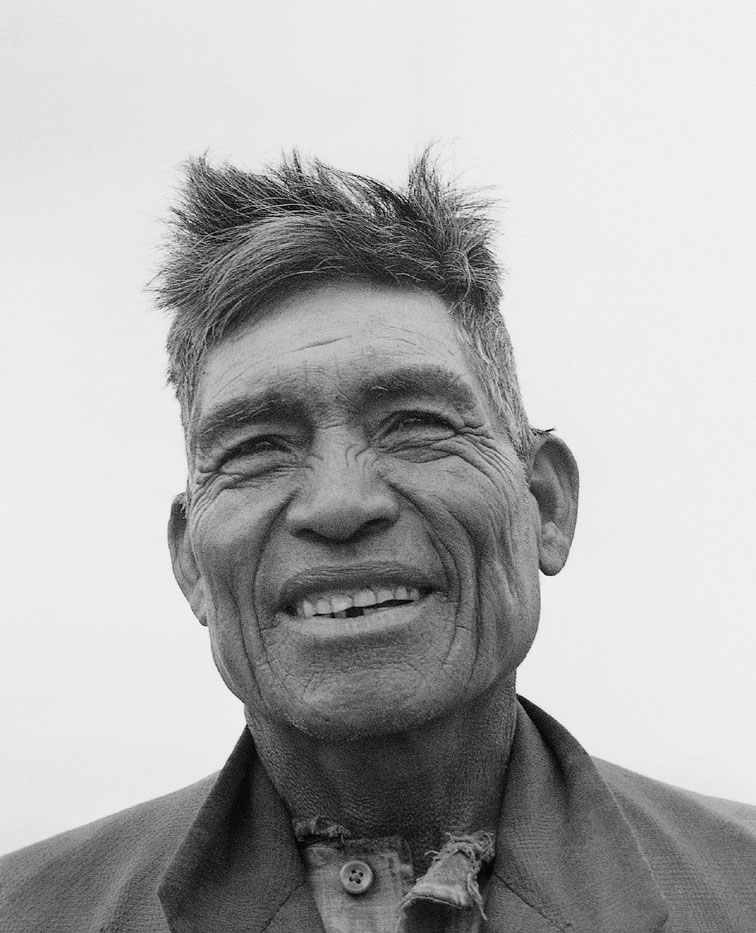
The Wichí are an Indigenous people living mainly in northern Argentina and southern Bolivia, along the Bermejo and Pilcomayo rivers. Numbering over 55,000, they speak several Wichí languages of the Matacoan family and have a strong tradition of fishing, foraging, and small-scale farming. The Wichí are known for their close relationship with the Chaco forest and their ongoing struggle for land rights.
- Live mainly in Argentina's Chaco, Formosa, Salta, and Jujuy provinces
- Speak three main Wichí languages of the Matacoan family
- Traditionally rely on fishing, foraging, and small-scale farming
- Ongoing struggle for land rights and forest protection
- Many Wichí communities are bilingual in Wichí and Spanish
Who are the Wichí?
The Wichí are an Indigenous people of the Gran Chaco, a vast forested region in northern Argentina and southern Bolivia. They organize themselves into several subgroups and communities, each with its own local identity, but all share the Wichí language and a deep connection to their land. Their society is held together by kinship, shared traditions, and a communal approach to resources and decision-making. The Wichí value their autonomy and cultural continuity, maintaining their own languages, stories, and customs despite outside pressures.
Where do the Wichí live?
The Wichí homeland stretches across the headwaters of the Bermejo and Pilcomayo rivers, in the subtropical dry forests of the Gran Chaco. This region covers parts of the Argentine provinces of Chaco, Formosa, Salta, and Jujuy, as well as the Gran Chaco province of Tarija Department in Bolivia. The land is marked by forests, rivers, and seasonal wetlands, which provide fish, wild fruits, and other resources. Deforestation and land conversion for agriculture threaten the forest and the Wichí way of life.
What language do the Wichí speak?
The Wichí speak several closely related languages: Wichí Lhamtés Vejoz, Güisnay, and Nocten, all part of the Matacoan family. Their language is polysynthetic, meaning words can be made up of many parts, and it has a complex sound system. Many Wichí are bilingual in Spanish, and there are bilingual schools in some communities. The language is still widely spoken, with tens of thousands of speakers, though it faces pressure from Spanish.
How do the Wichí live?
Traditionally, the Wichí rely on fishing, foraging for wild fruits (like algarroba), and small-scale farming. Men often fish and hunt, while women gather plants and process food. Their houses are light structures suited to the forest environment. Tools and crafts are made from local materials. The Wichí diet includes fish, wild honey, and fruits, and they have ceremonies around the harvest of algarroba. Increasing loss of land and forest has made traditional livelihoods harder to sustain.
How is Wichí society organised?
Wichí society is organized around extended families and local communities. Traditionally, resources are shared, and there is little emphasis on individual ownership. Decisions are made collectively, and elders and respected community members guide important matters. Marriage often links families and subgroups. The Wichí have a strong sense of identity, reinforced by language, ritual, and communal life.

What do the Wichí believe?
The Wichí hold traditional beliefs involving spirits, shamans, and ceremonies tied to the land and its cycles. Shamans use songs and rattles for healing and may use plants with special properties. Some believe in reincarnation and a world of spirits. Many Wichí are also Christian, especially Anglican and Pentecostal, and churches play a role in community life. Art, music, and body painting are part of their cultural expression.
The history of the Wichí
The Wichí have lived in the Gran Chaco for centuries. Early encounters with Jesuit and Franciscan missionaries in the 17th and 18th centuries brought missions, but these did not last. In the 20th century, the Anglican Church became active, supporting Wichí land rights and translating the Bible into Wichí. Over time, much of their land was taken for ranching and farming, leading to ongoing struggles for recognition and restitution. In 2020, the Inter-American Court of Human Rights ruled in favor of Wichí land claims, but enforcement remains a challenge.
Wichí life today
Today, the Wichí number over 55,000, with most living in Argentina and a smaller population in Bolivia. They face threats from deforestation, land loss, and agribusiness expansion. Some communities have gained partial land rights, but many still lack legal title. Bilingual education and church networks help maintain language and culture. The Wichí continue to advocate for their rights and the protection of their forest homeland.
Questions people ask about the Wichí
Where do the Wichí live?
The Wichí live mainly in northern Argentina (Chaco, Formosa, Salta, and Jujuy provinces) and southern Bolivia, especially along the Bermejo and Pilcomayo rivers in the Gran Chaco region.
How many Wichí are there?
There are about 55,734 Wichí people, according to census data and estimates from 2010.
What language do the Wichí speak?
The Wichí speak several related languages: Wichí Lhamtés Vejoz, Güisnay, and Nocten, all part of the Matacoan family. Many also speak Spanish.
What is the traditional way of life for the Wichí?
The Wichí traditionally make their living by fishing, foraging for wild fruits, and small-scale farming. They build light houses suited to the forest and share resources within their communities.
What challenges do the Wichí face today?
The Wichí face threats from deforestation, loss of ancestral land, and expanding agribusiness. They continue to fight for legal recognition of their land rights and the protection of their forest environment.
Sources and further reading
- Wichí on WikipediaEncyclopedia
- Encyclopaedia BritannicaArticle
- More photos on Wikimedia CommonsPhotos
- Wikidata recordOpen data
This page was written with AI assistance from the sources above and checked automatically before publishing. It may contain mistakes, and it is no substitute for hearing from the Wichí themselves. If something is wrong, tell us. Last refreshed 2026-10-02.
Neighbours in Argentina
All peoples of Argentina Jewsיהודים
🇮🇱 Israel and 11 moreAn ethnoreligious group with ancient roots in Israel and a global presence today
About 15 million
Jewsיהודים
🇮🇱 Israel and 11 moreAn ethnoreligious group with ancient roots in Israel and a global presence today
About 15 million
 Mapuche
🇨🇱 Chile and 1 moreIndigenous people of south-central Chile and southwestern Argentina
About 1.8 million, Araucanian
Mapuche
🇨🇱 Chile and 1 moreIndigenous people of south-central Chile and southwestern Argentina
About 1.8 million, Araucanian
 QuechuaRuna / Nuna
🇵🇪 Peru and 5 moreIndigenous farmers and herders of the Andes, speaking Quechua languages
About 10 million, Quechuan
QuechuaRuna / Nuna
🇵🇪 Peru and 5 moreIndigenous farmers and herders of the Andes, speaking Quechua languages
About 10 million, Quechuan
 Aymara
🇧🇴 Bolivia and 3 moreIndigenous people of the Andes and Altiplano in South America
About 2.3 million
Aymara
🇧🇴 Bolivia and 3 moreIndigenous people of the Andes and Altiplano in South America
About 2.3 million