
Nahua
Largest Indigenous group in Mexico, speakers of Nahuatl across Mesoamerica
The Nahua are the largest Indigenous people in Mexico, with communities in El Salvador, Nicaragua, Honduras, and Guatemala. They are best known as speakers of Nahuatl, the language of the Aztecs, and for their deep historical influence across Mesoamerica. Today, millions identify as Nahua, though many now speak Spanish.
Who are the Nahua?
The Nahua are an Indigenous people whose communities are spread across central Mexico and parts of Central America. They are united by their historical use of the Nahuatl language and a shared cultural tradition that traces back to the Aztecs and other pre-Columbian civilizations. While Nahua identity is rooted in language and tradition, many Nahua today are bilingual or speak only Spanish. Their sense of community is shaped by local customs, shared ancestry, and a long history of adaptation and resilience.
Where do the Nahua live?
The Nahua homeland centers on the valleys and mountains of central Mexico, including Puebla, Veracruz, Hidalgo, Guerrero, and San Luis Potosí. Over centuries, Nahua communities have also settled in El Salvador, Nicaragua, Honduras, and Guatemala, often in fertile valleys and river basins. The land supports farming and crafts, and many Nahua place names remain across the region, reflecting their historical presence.
What language do the Nahua speak?
Nahuatl, the Nahua language, belongs to the Uto-Aztecan family and has many regional variants. It was once a lingua franca in central Mexico and remains widely spoken, with about 1.6 million speakers in Mexico today. In Central America, the related Nawat language is endangered but is being revived, especially in El Salvador. Many Nahua also speak Spanish, and some communities have lost their ancestral language.
How do the Nahua live?
Traditionally, Nahua communities rely on farming, growing maize and other crops suited to their local environment. Crafts such as weaving and pottery are important both for daily use and for trade. In modern times, many Nahua also work in towns and cities, earning wages in various jobs. Houses range from traditional adobe and thatch to modern materials, depending on location and resources.
How is Nahua society organised?
Nahua society is organized around extended families and local communities. In the past, city-states called altepetl formed the basis of political life, each with its own leaders and traditions. Today, community decisions are often made in local assemblies or by elected leaders. Marriage and kinship remain important, and many customs blend pre-Columbian and Christian elements.


What do the Nahua believe?
Most Nahua today are Roman Catholic, but many traditional beliefs and rituals continue, often blended with Christian practices. Pre-Columbian religion centered on a pantheon of gods, ritual calendars, and ceremonies. Art, music, and dress reflect both Indigenous and colonial influences, with traditional clothing and crafts still visible in many communities.
The history of the Nahua
The Nahua trace their origins to northern Mexico, migrating into central Mexico around 500 CE. Over centuries, they became the dominant people of the region, founding city-states and, eventually, the Aztec Empire. After the Spanish conquest in the 16th century, Nahua society was transformed by disease, forced labor, and new religions, but many traditions survived. Nahua groups also migrated south, forming communities in Central America.
Nahua life today
Today, the Nahua remain the largest Indigenous group in Mexico, with over 2.6 million people. Many face challenges such as discrimination, loss of language, and economic pressures, but there are also efforts to revive Nahuatl and strengthen cultural identity. In El Salvador and Nicaragua, Nahua descendants work to preserve their language and traditions despite smaller numbers and historical marginalization.
Questions people ask about the Nahua
Where do the Nahua live?
The Nahua live in Mexico, El Salvador, Nicaragua, Honduras, Guatemala and Costa Rica, in the Central Mexico and parts of Central America.
How many Nahua people are there?
Our sources give the Nahua population as 2,643,236+ (infobox, recent estimates). Counts of peoples vary with who is counted and when.
What language do the Nahua speak?
The Nahua speak Nahuatl (with local variants), Nawat, which belongs to the Uto-Aztecan family of languages.
How do the Nahua make a living?
The Nahua are known for settled farming, craft and trade and towns and wage work. Like most peoples, they combine several ways of making a living, and these have changed over time.
Sources and further reading
- Nahuas on WikipediaEncyclopedia
- Encyclopaedia BritannicaArticle
- More photos on Wikimedia CommonsPhotos
- Wikidata recordOpen data
This page was written with AI assistance from the sources above and checked automatically before publishing. It may contain mistakes, and it is no substitute for hearing from the Nahua themselves. If something is wrong, tell us. Last refreshed 2026-10-02.
Neighbours in Mexico
All peoples of Mexico ApacheIndé
🇺🇸 United States and 2 moreSouthern Athabaskan-speaking peoples of the US Southwest and northern Mexico
About 195,000, Athabaskan
ApacheIndé
🇺🇸 United States and 2 moreSouthern Athabaskan-speaking peoples of the US Southwest and northern Mexico
About 195,000, Athabaskan
 Maya
🇬🇹 Guatemala and 5 moreIndigenous peoples of Mesoamerica with deep roots in Guatemala and Mexico
About 11 million, Mayan
Maya
🇬🇹 Guatemala and 5 moreIndigenous peoples of Mesoamerica with deep roots in Guatemala and Mexico
About 11 million, Mayan
 ToltecTōltēkah
🇲🇽 Mexico and 1 moreBuilders of Tula, influential in central Mexico's Postclassic era
Historical, Uto-Aztecan, Oto-Manguean
ToltecTōltēkah
🇲🇽 Mexico and 1 moreBuilders of Tula, influential in central Mexico's Postclassic era
Historical, Uto-Aztecan, Oto-Manguean
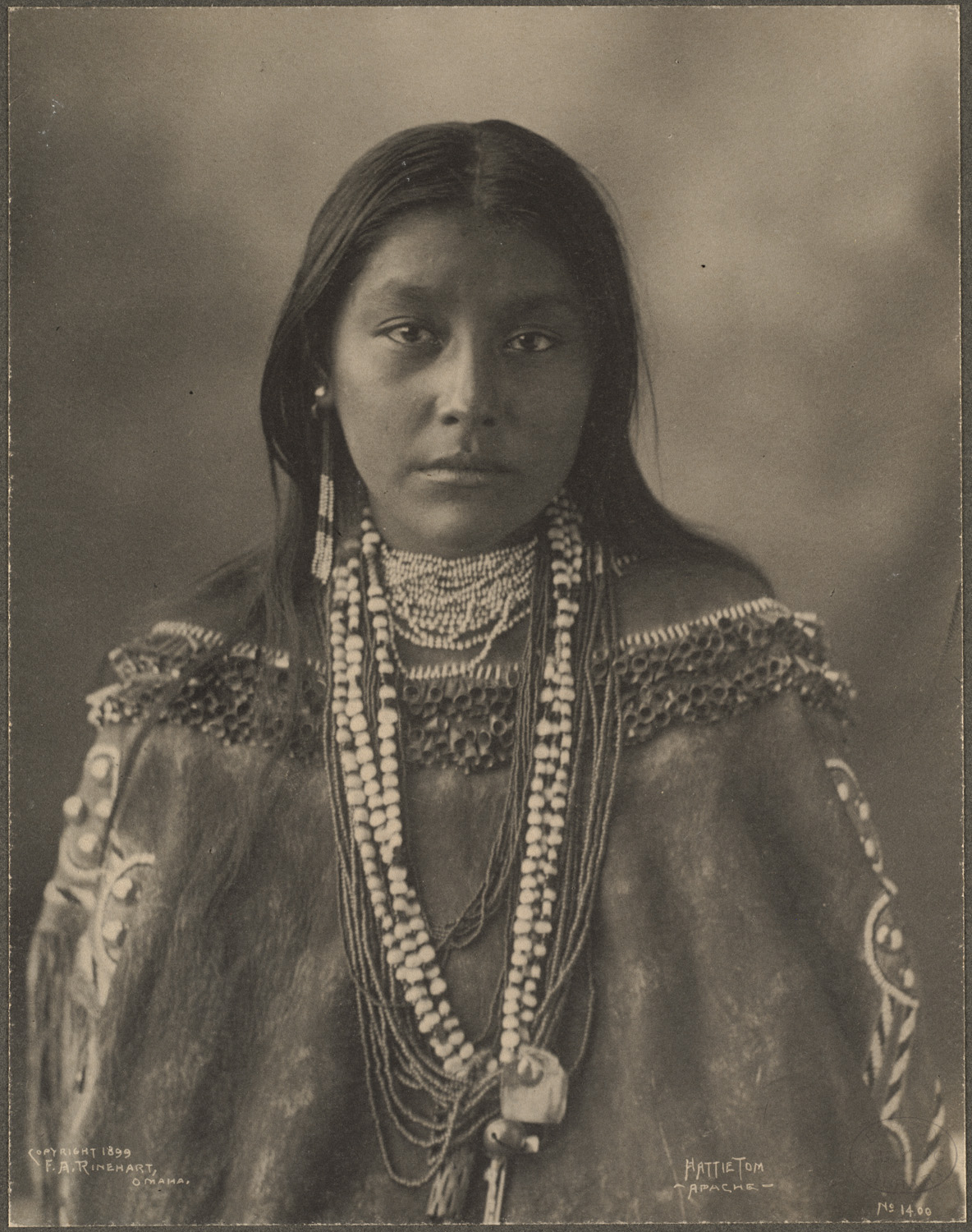 ChiricahuaNde
🇺🇸 United States and 1 moreApache people of the US Southwest and northern Mexico
About 4,000, Southern Athabaskan
ChiricahuaNde
🇺🇸 United States and 1 moreApache people of the US Southwest and northern Mexico
About 4,000, Southern Athabaskan

