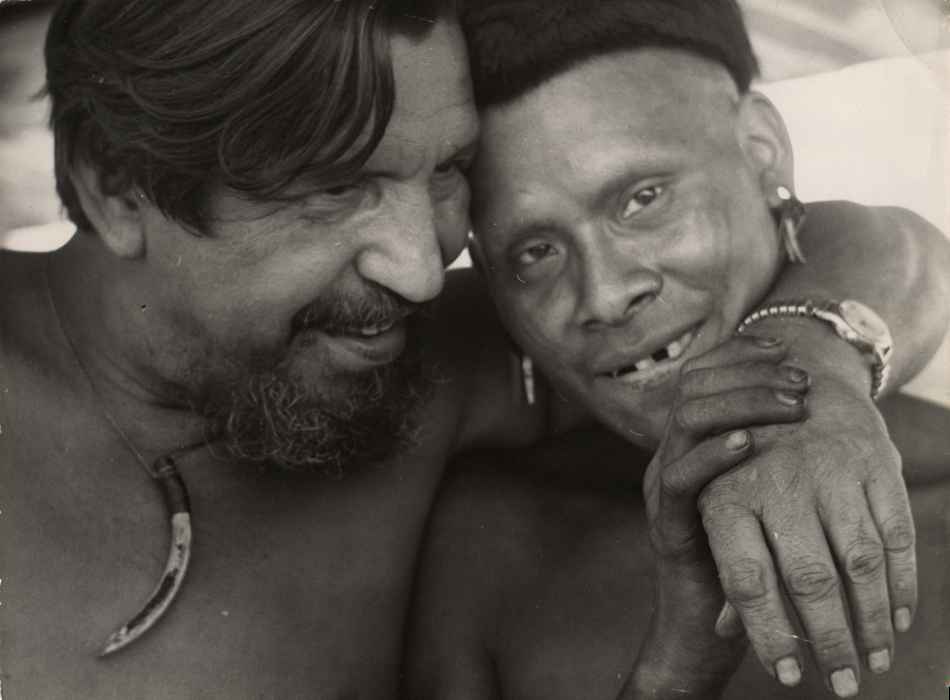
Ikpeng
Indigenous people of the Xingu Park, Mato Grosso, Brazil
The Ikpeng are an Indigenous community living in the Xingu Indigenous Park in Mato Grosso, Brazil. Numbering about 584 today, they are known for their efforts to preserve their language, their involvement in filmmaking, and their active defense of their land and culture.
- Population grew from 50 in 1969 to about 584 today
- Live in Xingu Indigenous Park, Mato Grosso, Brazil
- Speak the Ikpeng language, part of the Cariban family
- Active in indigenous filmmaking projects
- Defend their land against illegal logging and fishing
Who are the Ikpeng?
The Ikpeng are an Indigenous people who live in the Xingu Indigenous Park in the Brazilian state of Mato Grosso. They share a strong sense of identity rooted in their language, kinship, and history. The Ikpeng maintain close ties through extended family networks and community life. Their unity is reinforced by shared traditions, collective defense of their territory, and a commitment to passing on their language and knowledge to younger generations. Their community is also known for its active participation in cultural and educational projects, including filmmaking and language revitalization.
Where do the Ikpeng live?
The Ikpeng live in the Xingu Indigenous Park, a large protected area in the state of Mato Grosso, Brazil. Their traditional territory included lands near the Iriri, Jari, Ronuro, and Jabotá rivers, as well as the Teles Pires-Juruena river basin. The region is characterized by rivers, forests, and savanna, providing resources for hunting, fishing, and farming. Today, the Ikpeng administer posts within the park and help protect it from illegal activities.
What language do the Ikpeng speak?
The Ikpeng speak their own language, also called Ikpeng, which belongs to the Cariban language family. In the 1990s, Ikpeng teachers, with help from linguists, developed a written form of their language. Ikpeng children now learn both Ikpeng and Portuguese in community schools, helping to keep their language alive and strong.
How do the Ikpeng live?
The Ikpeng make their living through a mix of hunting, gathering, fishing, and farming. They grow crops such as cotton, gourds, maize, manioc, and urucu. Fishing and hunting provide important sources of protein, while farming supplies staple foods and materials. Traditional tools and techniques are still used, and the community values knowledge of local plants, including medicinal species. Their houses and daily life reflect their close relationship with the land and rivers.
How is Ikpeng society organised?
Ikpeng society is organized around extended families and kinship ties. Decisions are made collectively, often involving elders and respected community members. Marriage and descent are important for forming alliances within the group. The community values cooperation, and social life centers on shared work, rituals, and education. The Ikpeng have developed their own school system to teach both traditional knowledge and academic subjects.
What do the Ikpeng believe?
The Ikpeng follow traditional tribal beliefs, with rituals and ceremonies marking important events and maintaining harmony with the land. Shamans play a role in healing and spiritual matters. The community expresses its identity through music, storytelling, and art. Dress and body decoration reflect both daily life and special occasions. In recent years, Ikpeng filmmakers have used video to share their stories and perspectives with wider audiences.
The history of the Ikpeng
The Ikpeng originally lived near the Iriri River and later in the Teles Pires-Juruena basin. They formed alliances and faced conflicts with neighboring groups and settlers. Disease and warfare, especially after contact with outsiders, led to dramatic population loss. In the 1960s, the Ikpeng were relocated to the Xingu Park after suffering from disease and malnutrition. Since then, they have regrouped, rebuilt their population, and taken on roles defending the park and their rights. They have also made efforts to reclaim traditional lands and maintain cultural practices.
Ikpeng life today
Today, the Ikpeng number about 584 and continue to live in the Xingu Indigenous Park. They are active in protecting their land from illegal logging and fishing. The community has developed its own education system and participates in cultural projects, including filmmaking. They face ongoing challenges to their land and culture but remain committed to preserving their identity and passing it on to future generations.
Questions people ask about the Ikpeng
Where do the Ikpeng live?
The Ikpeng live in the Xingu Indigenous Park in Mato Grosso, Brazil, mainly near the Ronuro and Jabotá rivers.
How many Ikpeng are there?
There are about 584 Ikpeng people today, up from a low of 50 in 1969.
What language do the Ikpeng speak?
They speak the Ikpeng language, which belongs to the Cariban language family. Ikpeng children learn both Ikpeng and Portuguese.
How do the Ikpeng make a living?
The Ikpeng hunt, gather, fish, and farm crops like maize, manioc, cotton, and gourds.
What are the Ikpeng known for?
They are known for their language revitalization, involvement in filmmaking, and active defense of their land and culture.
Sources and further reading
This page was written with AI assistance from the sources above and checked automatically before publishing. It may contain mistakes, and it is no substitute for hearing from the Ikpeng themselves. If something is wrong, tell us. Last refreshed 2026-10-02.
Neighbours in Brazil
All peoples of Brazil Kalina
🇻🇪 Venezuela and 5 moreIndigenous people of the northern coast of South America
About 45,000, Cariban
Kalina
🇻🇪 Venezuela and 5 moreIndigenous people of the northern coast of South America
About 45,000, Cariban
 Wayana
🇬🇫 French Guiana and 3 moreCarib-speaking people of the Guiana highlands in Brazil, Suriname, and French Guiana
About 2,000, Cariban
Wayana
🇬🇫 French Guiana and 3 moreCarib-speaking people of the Guiana highlands in Brazil, Suriname, and French Guiana
About 2,000, Cariban
 MacushiMakuusi
🇧🇷 Brazil and 2 moreIndigenous people of the savannahs of Brazil, Guyana, and Venezuela
About 43,000, Cariban
MacushiMakuusi
🇧🇷 Brazil and 2 moreIndigenous people of the savannahs of Brazil, Guyana, and Venezuela
About 43,000, Cariban
 Kuikuro
🇧🇷 BrazilIndigenous people of the Upper Xingu River in Brazil
About 653, Cariban
Kuikuro
🇧🇷 BrazilIndigenous people of the Upper Xingu River in Brazil
About 653, Cariban
Other Cariban speakers
See them all Ye'kuanaSoꞌto
🇻🇪 Venezuela and 1 moreCanoe makers of the Caura and Orinoco rivers in Venezuela and Brazil
About 7,000, Cariban
Ye'kuanaSoꞌto
🇻🇪 Venezuela and 1 moreCanoe makers of the Caura and Orinoco rivers in Venezuela and Brazil
About 7,000, Cariban
 Tiriyótarëno
🇧🇷 Brazil and 2 moreIndigenous Cariban-speaking people of northern Brazil, Suriname, and Guyana
About 4,000, Cariban
Tiriyótarëno
🇧🇷 Brazil and 2 moreIndigenous Cariban-speaking people of northern Brazil, Suriname, and Guyana
About 4,000, Cariban
 Wai-waiWaiwai
🇧🇷 Brazil and 1 moreForest-dwelling Cariban people of southern Guyana and northern Brazil
About 3,000, Cariban
Wai-waiWaiwai
🇧🇷 Brazil and 1 moreForest-dwelling Cariban people of southern Guyana and northern Brazil
About 3,000, Cariban
 Kalapalo
🇧🇷 BrazilFishers and farmers of Brazil's Upper Xingu region
About 669, Cariban
Kalapalo
🇧🇷 BrazilFishers and farmers of Brazil's Upper Xingu region
About 669, Cariban