
Xukuru
Indigenous people of Pernambuco, Brazil, reclaiming their Ororubá homeland
The Xukuru are an indigenous people living in the Ororubá Mountains of Pernambuco, Brazil. Numbering about 8,500 to 9,000, they are known for their efforts to reclaim their traditional lands and for their resilience in the face of conflict with settlers.
- Live in the Ororubá Mountains, Pernambuco, Brazil
- Population around 9,000
- Speak Portuguese, formerly spoke Xukuru
- Gained recognition of their homeland
- Leader Chicão was assassinated in 1998
Who are the Xukuru?
The Xukuru are an indigenous group native to the Ororubá Mountains in Pernambuco, Brazil. Their identity is tied to their ancestral homeland and their ongoing efforts to protect and reclaim it. The community is bound together by shared history, leadership, and a strong sense of belonging to their land. The Xukuru have faced challenges from outside settlers but remain committed to their traditions and rights.
Where do the Xukuru live?
The Xukuru live in the Ororubá Mountains, a region in the state of Pernambuco in northeastern Brazil. This mountainous area is their traditional homeland, and it holds deep cultural and spiritual significance for the community. The landscape is marked by hills and valleys, and it has been the center of their struggle for land rights and recognition.
What language do the Xukuru speak?
Today, the Xukuru mainly speak Portuguese. Their original language, Xukuru, is no longer in daily use. The shift to Portuguese reflects broader changes in the region, but the memory of the Xukuru language remains an important part of their heritage.
How is Xukuru society organised?
The Xukuru community is organized around strong leadership, with chiefs (caciques) playing a central role in guiding the group. Family ties and collective decision-making are important aspects of their society. The assassination of a prominent leader, Chicão, in 1998, shows the risks faced by those defending Xukuru rights, but also the resilience of the community as his children and others continue his work.
The history of the Xukuru
The Xukuru are related to the Tarairiú people, according to some researchers. Their modern history is marked by the struggle to reclaim their ancestral lands in the Ororubá Mountains. Gaining official recognition of their territory brought them into conflict with local settlers and ranchers. The murder of leader Chicão in 1998 highlighted the dangers they face, but the community has continued to assert its rights and maintain its identity.
Xukuru life today
The Xukuru number about 8,500 to 9,000 people and continue to live in Pernambuco, Brazil. They have achieved governmental recognition of their land, but tensions with settlers persist. The community remains active in defending its rights and preserving its culture, with new generations taking on leadership roles.
Questions people ask about the Xukuru
Where do the Xukuru live?
The Xukuru live in the Ororubá Mountains in the state of Pernambuco, northeastern Brazil.
How many Xukuru are there?
There are about 8,500 to 9,000 Xukuru people, according to recent sources.
What language do the Xukuru speak?
The Xukuru now speak Portuguese, but their original language was Xukuru, which is no longer in daily use.
What is the Xukuru's main struggle today?
Their main struggle has been reclaiming and defending their traditional lands in the Ororubá Mountains, which has led to conflict with settlers.
Who was Chicão?
Chicão, also known as Francisco Lacerda or Cacique Xikão, was a Xukuru leader assassinated in 1998 due to his opposition to ranchers encroaching on Xukuru territory.
Sources and further reading
- Xukuru people on WikipediaEncyclopedia
- More photos on Wikimedia CommonsPhotos
- Wikidata recordOpen data
This page was written with AI assistance from the sources above and checked automatically before publishing. It may contain mistakes, and it is no substitute for hearing from the Xukuru themselves. If something is wrong, tell us. Last refreshed 2026-10-02.
Neighbours in Brazil
All peoples of Brazil Jewsיהודים
🇮🇱 Israel and 11 moreAn ethnoreligious group with ancient roots in Israel and a global presence today
About 15 million
Jewsיהודים
🇮🇱 Israel and 11 moreAn ethnoreligious group with ancient roots in Israel and a global presence today
About 15 million
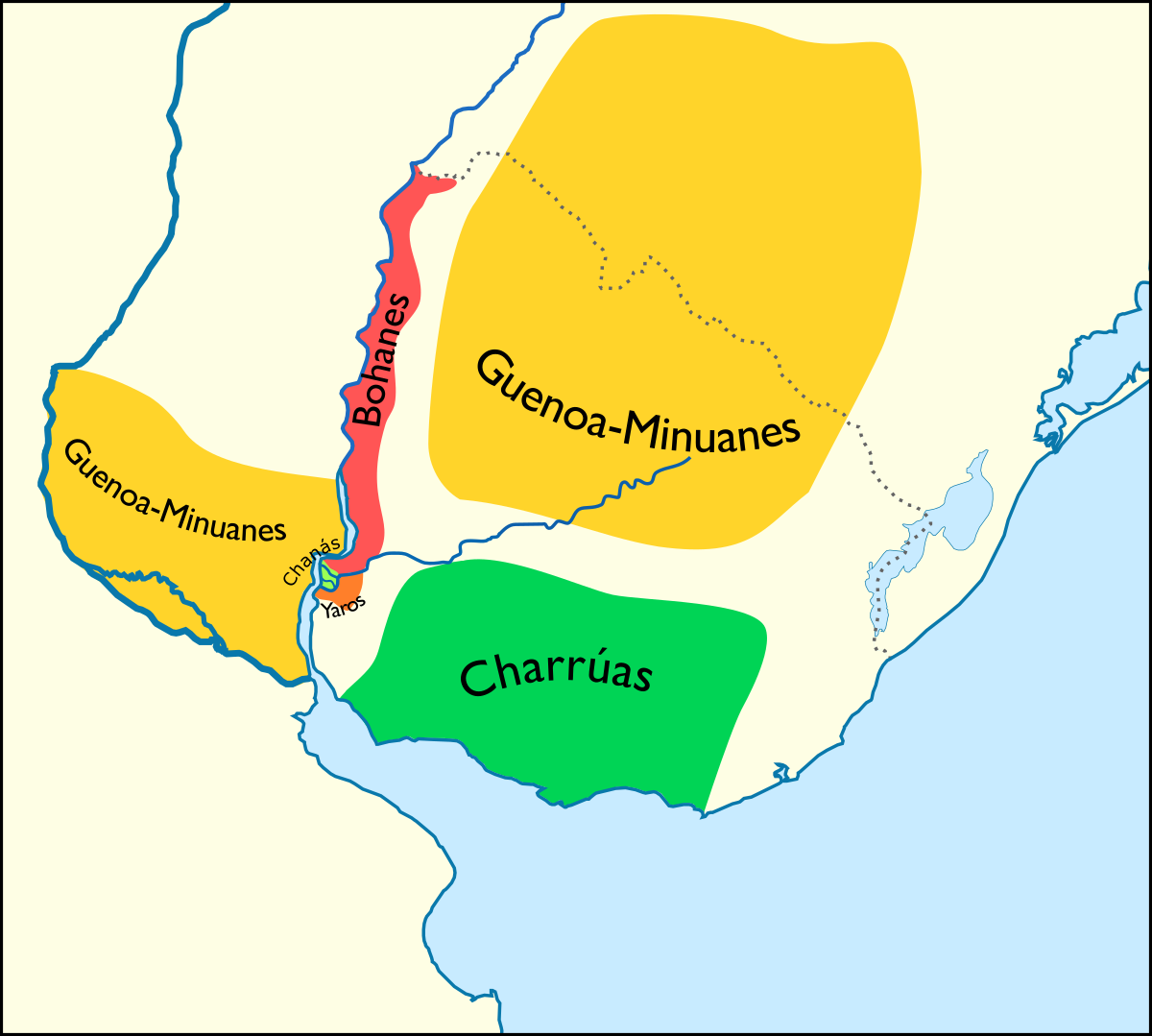 CharrúaCharrua
🇺🇾 Uruguay and 2 moreSemi-nomadic Indigenous people of Uruguay, Argentina, and Brazil
About 159,000
Aikanã
🇧🇷 BrazilIndigenous people of Rondônia, western Amazonian lowlands
About 350
CharrúaCharrua
🇺🇾 Uruguay and 2 moreSemi-nomadic Indigenous people of Uruguay, Argentina, and Brazil
About 159,000
Aikanã
🇧🇷 BrazilIndigenous people of Rondônia, western Amazonian lowlands
About 350
 Pataxó
🇧🇷 BrazilIndigenous people of Bahia, Brazil, reviving their language and culture
About 12,000
Pataxó
🇧🇷 BrazilIndigenous people of Bahia, Brazil, reviving their language and culture
About 12,000