Kababish
Camel-herding nomads of northern Kordofan, Sudan
The Kababish are a nomadic people living mainly in northern Kordofan, Sudan. Numbering between 70,000 and 350,000, they are known for camel herding, a high-status occupation in their society, and for their distinctive dress and clan structure.
Who are the Kababish?
The Kababish are a nomadic people of northern Kordofan in Sudan, organized into about 19 groups under a single chief known as a nazir. Their identity is closely tied to camel herding, which is highly valued in their society. The Kababish trace their ancestry to Arab forefathers from the Juhaynah tribe. They are united by language, occupation, and shared traditions, and maintain a distinct way of life despite pressures to settle or move to cities.
Where do the Kababish live?
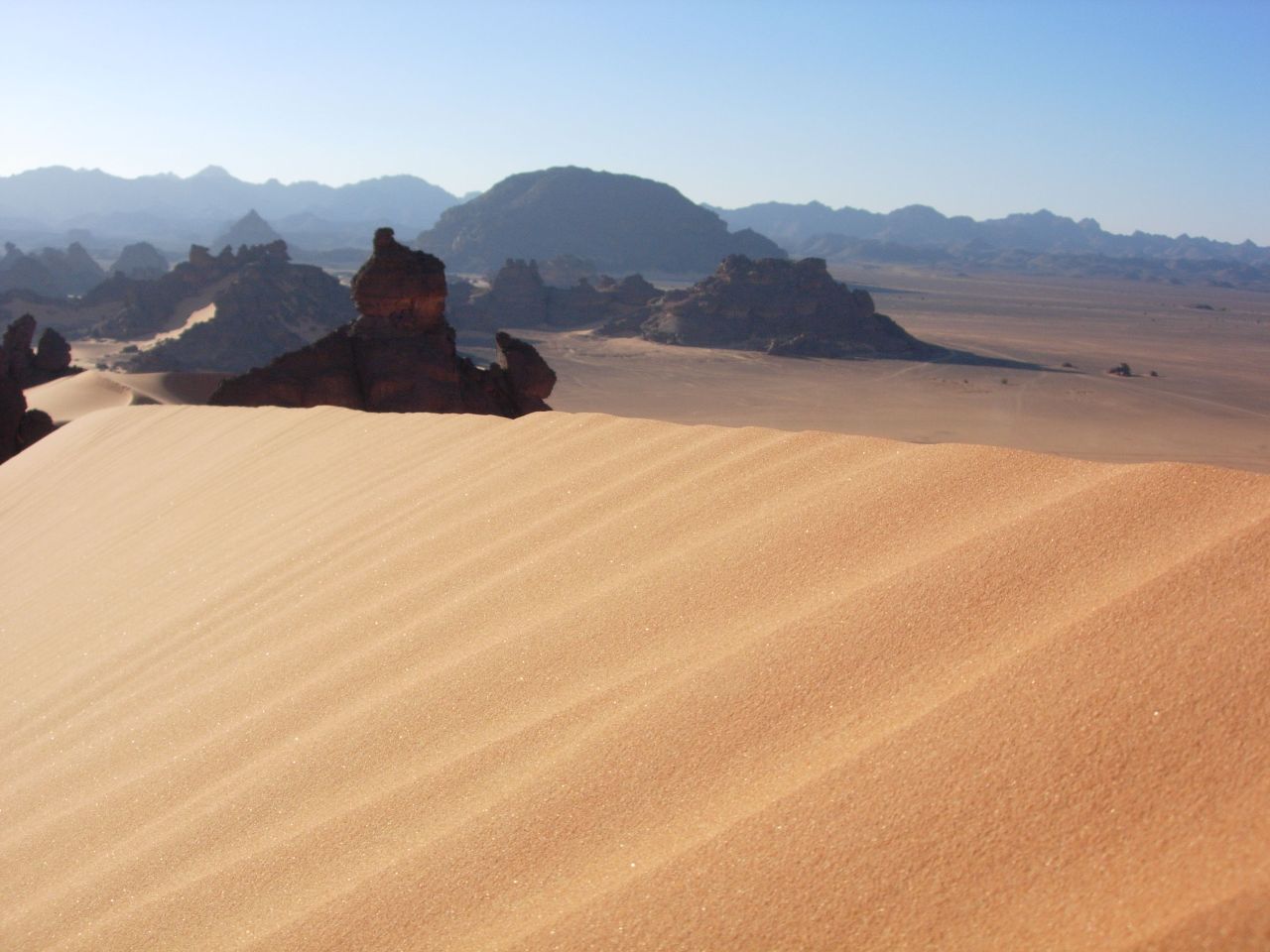
The Kababish live mainly in the arid northern Kordofan region of Sudan, a landscape of desert and semi-desert. Their territory stretches toward the Libyan Desert, and their movements are shaped by the search for water and pasture for their camels. Camps are often temporary, with women and children sometimes staying behind while men travel with the herds.
What language do the Kababish speak?
The Kababish speak a form of Sudanese Arabic. This language links them to the wider Arabic-speaking world but also reflects their own history and traditions. It is the main language used in daily life, herding, and trade.
How do the Kababish live?
Camel herding is the core of Kababish life, with children learning to care for animals from a young age. Some families also keep other livestock or trade goods. Their homes are made of canvas or cloth with roofs of camel hair and hides. Diet includes meat, berries, traded foods, and spiced tea. Since the 1980s, some Kababish have moved to cities or adopted a semi-nomadic lifestyle.
How is Kababish society organised?
The Kababish are divided into about 19 groups, all led by a single nazir or chief. Family and clan ties are strong, and decision-making often involves elders and the chief. Traditional dress is important: women wear long blue cloths, while men wear white tunics, pants, and turbans. Men often carry daggers, swords, or firearms for protection.
What do the Kababish believe?
The Kababish follow Sunni Islam, which shapes their rituals and daily life. Clothing and ornamentation reflect their environment and values. Music, games like El Arnab (a traditional mancala game), and oral traditions are part of their cultural expression.
The history of the Kababish
The Kababish trace their origins to Arab ancestors from the Juhaynah tribe. For generations, they have lived as nomads in northern Kordofan, adapting to the harsh desert environment. The famine of the 1980s brought hardship, leading many to adopt new livelihoods or move to urban areas. Their society has changed, but many traditions remain.
Kababish life today
Today, the Kababish number between 70,000 and 350,000. Many continue to herd camels, but others have become semi-nomadic or moved to cities, especially since the 1980s famine. Most Kababish are illiterate, and their way of life faces pressures from economic change and environmental challenges.
Questions people ask about the Kababish
Where do the Kababish live?
The Kababish live in Sudan, in the northern Kordofan region, Sudan.
How many Kababish people are there?
Our sources give the Kababish population as between 70,000 and 350,000 (no date given). Counts of peoples vary with who is counted and when.
What language do the Kababish speak?
The Kababish speak Sudanese Arabic.
How do the Kababish make a living?
The Kababish are known for herding and towns and wage work. Like most peoples, they combine several ways of making a living, and these have changed over time.
Sources and further reading
This page was written with AI assistance from the sources above and checked automatically before publishing. It may contain mistakes, and it is no substitute for hearing from the Kababish themselves. If something is wrong, tell us. Last refreshed 2026-10-02.
Neighbours in Sudan
All peoples of Sudan Tribe of Dan
🇮🇱 Israel and 5 moreAncient Israelite tribe known for migration and seafaring
Historical
Tribe of Asher
🇮🇱 Israel and 3 moreA historical Israelite tribe linked to western and coastal Galilee
Historical
Tribe of Dan
🇮🇱 Israel and 5 moreAncient Israelite tribe known for migration and seafaring
Historical
Tribe of Asher
🇮🇱 Israel and 3 moreA historical Israelite tribe linked to western and coastal Galilee
Historical
 Kutama
🇩🇿 Algeria and 2 moreA Berber tribe from northern Algeria, key to the rise of the Fatimid Caliphate
Historical
Kutama
🇩🇿 Algeria and 2 moreA Berber tribe from northern Algeria, key to the rise of the Fatimid Caliphate
Historical
 FulaniFulɓe
🇳🇬 Nigeria and 21 moreCattle herders and farmers spread across West and Central Africa
About 39 million, Atlantic-Congo (Niger-Congo)
FulaniFulɓe
🇳🇬 Nigeria and 21 moreCattle herders and farmers spread across West and Central Africa
About 39 million, Atlantic-Congo (Niger-Congo)