
Banu Hilal
Arab tribal confederation from Najd, known for their 11th-century migration to North Africa
The Banu Hilal are an Arab tribal confederation originally from Najd in central Arabia. In the 11th century, many migrated to North Africa, especially the Maghreb, at the invitation of the Fatimid Caliphate. Their movement played a major role in the Arabization of the region. Today, their descendants live across Egypt, Libya, Tunisia, Algeria, and Morocco.
- Migrated from Najd to the Maghreb in the 11th century
- Major force in the Arabization of North Africa
- Composed of several sub-tribes, including Athbaj and Riyah
- Known for the Taghribat Bani Hilal oral epic
- Originally Isma'ili Shia, later mostly Sunni Muslim
Who are the Banu Hilal?
The Banu Hilal are an Arab tribal confederation with roots in the Najd region of central Arabia. Traditionally, they are divided into several sub-tribes, including Athbaj, Riyah, Jusham, Zughba, Adi, and Qurra. Their identity is shaped by shared ancestry, tribal customs, and oral traditions. The Banu Hilal are best known for their large-scale migration to North Africa in the 11th century, which had a lasting impact on the culture and language of the Maghreb. Today, their descendants are found across North Africa and parts of the Middle East.
Where do the Banu Hilal live?
The original homeland of the Banu Hilal was the Najd, a vast plateau in central Arabia known for its arid climate and open landscapes. They later migrated to the Maghreb, a region in North Africa that includes present-day Libya, Tunisia, Algeria, and Morocco. In these new lands, they settled in steppes, high plains, and oases, often coexisting and intermarrying with local Berber populations.
What language do the Banu Hilal speak?
The Banu Hilal speak Arabic, specifically Bedouin dialects that spread with their migration. Their movement contributed to the spread of Bedouin Arabic across rural and steppe regions of North Africa. Over time, their language influenced local dialects, helping to shape the linguistic landscape of the Maghreb.
How do the Banu Hilal live?
Originally, the Banu Hilal were nomadic herders, raising cattle and sheep in the deserts and steppes of Arabia. After settling in North Africa, many continued herding, but some also took up agriculture, becoming skilled farmers in more fertile areas. Their way of life adapted to different environments, but herding and farming remained central. They lived in tents or simple dwellings suited to mobility and the climate.
How is Banu Hilal society organised?
Banu Hilal society is organized along patriarchal lines, with descent traced through the male line. The tribe is divided into several sub-tribes and clans, each with its own leaders and elders. Decision-making traditionally involves consultation among elders and tribal chiefs. Marriage often reinforced alliances within and between clans. Their social structure emphasizes loyalty to kin and respect for tribal customs.


What do the Banu Hilal believe?
The Banu Hilal were originally followers of Isma'ili Shia Islam, reflecting the influence of the Fatimid Caliphate. After settling in the Maghreb, most adopted Sunni Islam, particularly the Maliki school. Their traditions include oral poetry and epic tales, especially the Taghribat Bani Hilal, which recounts their migration and adventures. Music, storytelling, and poetry remain important cultural expressions.
The history of the Banu Hilal
The Banu Hilal trace their ancestry to Hilal ibn Amir and were part of the larger Mudar confederation in Arabia. In the 11th century, the Fatimid Caliphate encouraged their migration to North Africa to weaken the Zirid dynasty. The Banu Hilal, along with the Banu Sulaym, moved in large numbers, settling across the Maghreb. Their arrival led to significant changes, including the spread of Arabic language and culture, and shifts in land use from farming to nomadism. Over centuries, they came under the rule of various North African dynasties and sometimes resisted foreign powers, such as the Ottomans.
Banu Hilal life today
Descendants of the Banu Hilal live across North Africa, especially in rural and steppe regions of Egypt, Libya, Tunisia, Algeria, and Morocco. Their legacy is visible in local dialects, customs, and oral traditions. While many have integrated into broader societies, some communities maintain distinct tribal identities. The story of their migration is still celebrated in epic poetry and folklore.
Questions people ask about the Banu Hilal
Where do the Banu Hilal live today?
Descendants of the Banu Hilal live mainly in Egypt, Libya, Tunisia, Algeria, and Morocco, especially in rural and steppe regions.
How many Banu Hilal migrated to North Africa?
Historians estimate that between 50,000 and 250,000 Banu Hilal migrated to the Maghreb in the 11th century, though some suggest higher numbers.
What language do the Banu Hilal speak?
The Banu Hilal speak Arabic, particularly Bedouin dialects that spread with their migration to North Africa.
What is the Taghribat Bani Hilal?
The Taghribat Bani Hilal is an epic oral poem that tells the story of the Banu Hilal's migration from Arabia to the Maghreb, performed across the Arab world.
What religion do the Banu Hilal follow?
The Banu Hilal were originally Isma'ili Shia Muslims but later became mostly Sunni Muslims, following the Maliki school after settling in the Maghreb.
Sources and further reading
- Banu Hilal on WikipediaEncyclopedia
- Encyclopaedia BritannicaArticle
- More photos on Wikimedia CommonsPhotos
- Wikidata recordOpen data
This page was written with AI assistance from the sources above and checked automatically before publishing. It may contain mistakes, and it is no substitute for hearing from the Banu Hilal themselves. If something is wrong, tell us. Last refreshed 2026-10-02.
Neighbours in Egypt
All peoples of Egypt Twelve Tribes of Israelשִׁבְטֵי־יִשְׂרָאֵל (Šiḇṭê Yiśrāʾēl)
🇮🇱 Israel and 5 moreAncient tribal confederation of the biblical Israelites in Canaan
Historical, Semitic
Twelve Tribes of Israelשִׁבְטֵי־יִשְׂרָאֵל (Šiḇṭê Yiśrāʾēl)
🇮🇱 Israel and 5 moreAncient tribal confederation of the biblical Israelites in Canaan
Historical, Semitic
 Tribe of Reubenרְאוּבֵן
🇯🇴 Jordan and 3 moreAn ancient Israelite tribe east of the Jordan River
Historical, Semitic
Tribe of Reubenרְאוּבֵן
🇯🇴 Jordan and 3 moreAn ancient Israelite tribe east of the Jordan River
Historical, Semitic
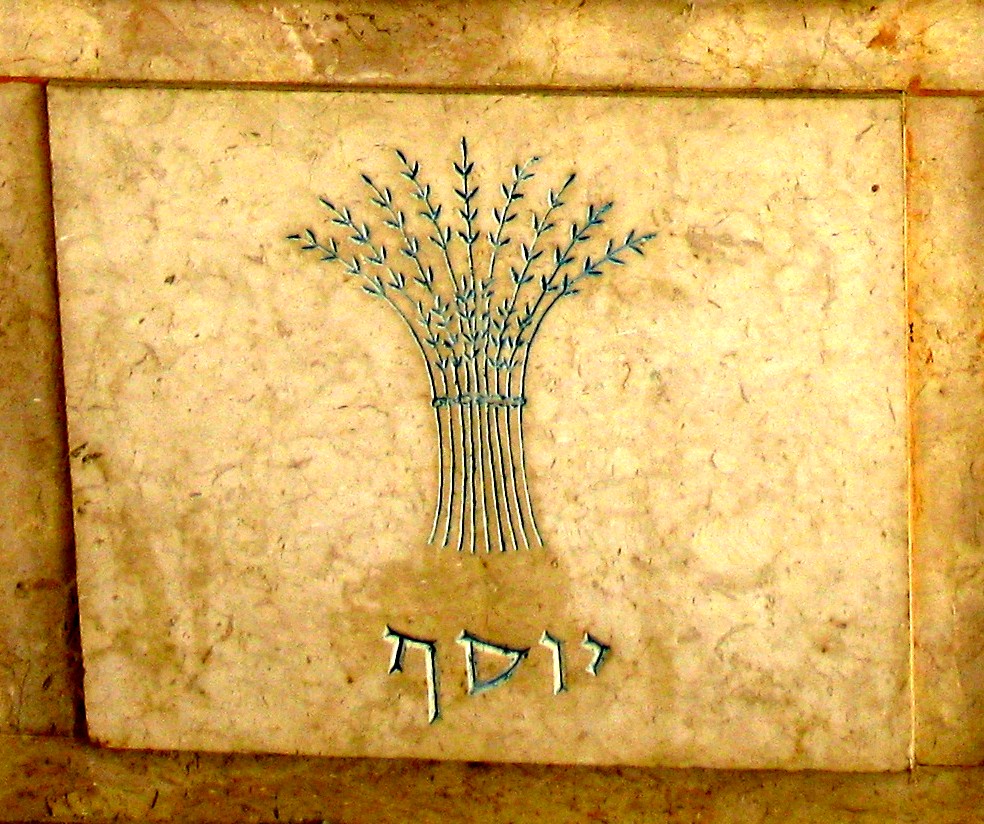 Tribe of Joseph
🇮🇱 Israel and 5 moreA major ancient Israelite tribe later divided into Ephraim and Manasseh
Historical, Semitic
Banu Sulaym
🇱🇾 Libya and 5 moreArab tribal confederation with roots in the Hejaz, now prominent in Cyrenaica, Libya
Semitic
Tribe of Joseph
🇮🇱 Israel and 5 moreA major ancient Israelite tribe later divided into Ephraim and Manasseh
Historical, Semitic
Banu Sulaym
🇱🇾 Libya and 5 moreArab tribal confederation with roots in the Hejaz, now prominent in Cyrenaica, Libya
Semitic
Other Semitic speakers
See them all Palestiniansفلسطينيون
🇵🇸 Palestine and 8 moreAn Arab people native to Palestine, with a large diaspora worldwide
About 14 million, Semitic
Palestiniansفلسطينيون
🇵🇸 Palestine and 8 moreAn Arab people native to Palestine, with a large diaspora worldwide
About 14 million, Semitic
 AssyriansĀṯūrāyē / Suryoye / Suryāyē
🇮🇶 Iraq and 14 moreAn indigenous Christian people of northern Mesopotamia, speaking Neo-Aramaic.
About 1.2 million, Semitic
AssyriansĀṯūrāyē / Suryoye / Suryāyē
🇮🇶 Iraq and 14 moreAn indigenous Christian people of northern Mesopotamia, speaking Neo-Aramaic.
About 1.2 million, Semitic
 Ansarالأنصار
🇸🇦 Saudi ArabiaSupporters of Muhammad from Medina's Banu Aws and Banu Khazraj tribes
Historical, Semitic
Ansarالأنصار
🇸🇦 Saudi ArabiaSupporters of Muhammad from Medina's Banu Aws and Banu Khazraj tribes
Historical, Semitic
 Tribe of Benjaminבִּנְיָמִן (Binyāmīn)
🇮🇱 IsraelAncient Israelite tribe between Judah and Ephraim, famed for warriors and King Saul
Historical, Semitic
Tribe of Benjaminבִּנְיָמִן (Binyāmīn)
🇮🇱 IsraelAncient Israelite tribe between Judah and Ephraim, famed for warriors and King Saul
Historical, Semitic