
Fulani
They call themselves Fulɓe
Cattle herders and farmers spread across West and Central Africa
The Fulani, or Fulɓe, are a large and widely dispersed people found mainly in West Africa, with populations in countries like Nigeria, Guinea, Senegal, and Cameroon. Numbering around 38 million, they are known for their traditions of cattle herding, farming, and a shared Fula language and culture. Many Fulani are pastoralists, while others live in towns and cities.
- Largest nomadic pastoral community in the world
- Speak Fula (Fulfulde, Pulaar) with many regional varieties
- Found in more than a dozen African countries
- Known for cattle herding and Islamic scholarship
- Famous for festivals like Guérewol among the Wodaabe
Who are the Fulani?
The Fulani, or Fulɓe, are a people united by their language, Fula, and a shared heritage. They are found across a broad belt of Africa, from Senegal in the west to Sudan in the east. While many Fulani are known for their nomadic cattle herding, others have settled as farmers, traders, scholars, and city dwellers. Their identity is shaped by a mix of pastoral traditions, Islamic faith, and a sense of shared ancestry. Despite their diversity in ways of life, the Fulani maintain strong cultural ties through language, customs, and family networks.
Where do the Fulani live?
Fulani communities stretch across the Sahel, a vast semi-arid region south of the Sahara Desert. Their homeland includes grasslands, savannah, and river valleys, such as the Fouta Djallon highlands in Guinea, the Futa Tooro in Senegal, and the inland Niger delta in Mali. These landscapes support both cattle herding and farming. The Fulani have adapted to different environments, from dry plains to fertile valleys, and their settlements range from nomadic camps to established towns.
What language do the Fulani speak?
The Fulani speak Fula, also called Fulfulde or Pulaar, which belongs to the Atlantic branch of the Niger-Congo language family. Fula has many regional varieties and serves as a common language among Fulani groups. Many Fulani are also fluent in the languages of their neighbors, such as French, Hausa, Bambara, Wolof, and Arabic. Fula remains a key marker of Fulani identity, used in daily life, storytelling, and song.
How do the Fulani live?
Traditionally, many Fulani are pastoralists, moving with their cattle in search of grazing lands. They are known as the largest nomadic herding community in the world. Other Fulani have settled as farmers, growing crops like millet and sorghum. Some are artisans, merchants, or scholars. Their houses vary from portable tents for nomads to mud-brick homes in towns. Cattle, sheep, and goats are central to their economy and culture, and milk products are important foods.
How is Fulani society organised?
Fulani society is organized around extended families and lineages. Clans and subgroups are important, often linked to specific regions or ways of life. Marriage within the group is common, and family honor is highly valued. Leadership can be hereditary or chosen, with elders and religious leaders playing key roles in decision-making. Social status may be linked to ancestry, occupation, or religious learning.


What do the Fulani believe?
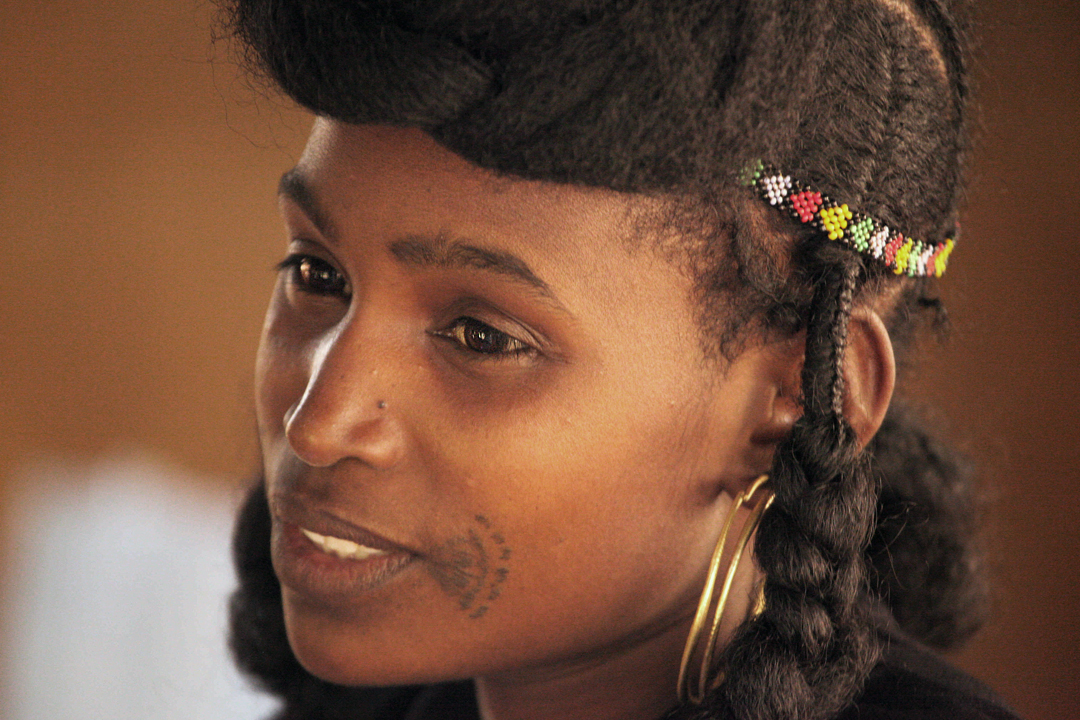
Most Fulani are Muslims, and Islam shapes their daily life, festivals, and social rules. Religious leaders and scholars are respected. Some Fulani also keep older beliefs, including respect for ancestors and nature spirits. Art and music are important, with traditions of poetry, storytelling, and decorated clothing. Festivals like the Guérewol, where young men display their beauty and skill, are famous among the Wodaabe subgroup.
The history of the Fulani
The origins of the Fulani are debated, with oral histories pointing to roots in the Senegal River valley or further east. Over centuries, they migrated across the Sahel, sometimes founding kingdoms or joining local societies. Fulani empires and states, such as the Sokoto Caliphate in Nigeria and the Empire of Great Fulo, played major roles in West African history. Their spread was shaped by herding, trade, and the spread of Islam. In recent times, Fulani have faced pressures from land loss, conflict, and discrimination in some countries.
Fulani life today
Today, the Fulani number around 38 million and live in many countries. Some remain nomadic, but many have settled in towns or cities. They face challenges such as land disputes, changing climate, and, in some places, discrimination or undercounting in censuses. Despite this, Fulani culture and language remain strong, and Fulani people play important roles in politics, trade, and religion across West and Central Africa.
Questions people ask about the Fulani
Where do the Fulani live?
The Fulani live across West and Central Africa, mainly in countries like Nigeria, Guinea, Senegal, Cameroon, and Mali, as well as many others in the Sahel region.
How many Fulani are there?
There are about 38.6 million Fulani people, according to a 2023 estimate, making them one of the largest ethnic groups in Africa.
What language do the Fulani speak?
The Fulani speak Fula, also known as Fulfulde or Pulaar, which has many regional varieties and is part of the Atlantic-Congo language family.
What is the main way the Fulani make a living?
Many Fulani are cattle herders, moving with their animals across the Sahel, while others are farmers, artisans, or live in towns and cities.
What religion do the Fulani follow?
Most Fulani are Muslims, and Islam is central to their culture and daily life, though some also keep traditional beliefs.
Sources and further reading
- Fula people on WikipediaEncyclopedia
- Encyclopaedia BritannicaArticle
- More photos on Wikimedia CommonsPhotos
- Wikidata recordOpen data
This page was written with AI assistance from the sources above and checked automatically before publishing. It may contain mistakes, and it is no substitute for hearing from the Fulani themselves. If something is wrong, tell us. Last refreshed 2026-10-02.
Neighbours in Nigeria
All peoples of Nigeria YorubaÌran Yorùbá
🇳🇬 Nigeria and 11 moreA major West African people rooted in Nigeria, Benin, and Togo
About 53 million, Volta-Niger (Niger–Congo)
YorubaÌran Yorùbá
🇳🇬 Nigeria and 11 moreA major West African people rooted in Nigeria, Benin, and Togo
About 53 million, Volta-Niger (Niger–Congo)
 IgboŃdị́ Ìgbò
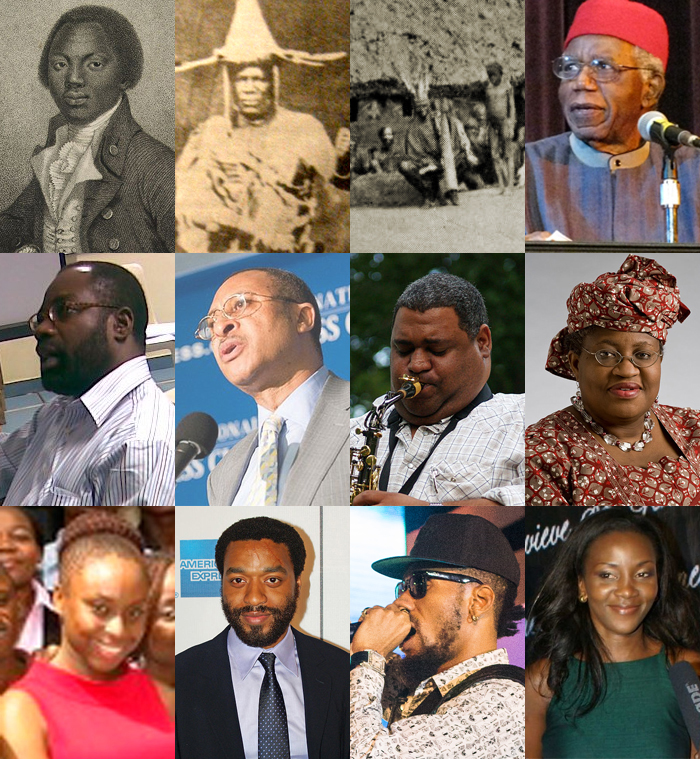
🇳🇬 Nigeria and 11 moreA major ethnic group of southeastern Nigeria with a rich history and diaspora
About 42 million, Niger-Congo
IgboŃdị́ Ìgbò
🇳🇬 Nigeria and 11 moreA major ethnic group of southeastern Nigeria with a rich history and diaspora
About 42 million, Niger-Congo
 HausaHausawa
🇳🇬 Nigeria and 20 moreA major West African people of the Sahel and savanna, known for trade and Islamic heritage
About 86 million, Afro-Asiatic
HausaHausawa
🇳🇬 Nigeria and 20 moreA major West African people of the Sahel and savanna, known for trade and Islamic heritage
About 86 million, Afro-Asiatic
 Baggaraعرب البقارة
🇸🇩 Sudan and 6 moreNomadic cattle herders of the Sahel between Lake Chad and the Nile
About 6 million, Afro-Asiatic, Semitic
Baggaraعرب البقارة
🇸🇩 Sudan and 6 moreNomadic cattle herders of the Sahel between Lake Chad and the Nile
About 6 million, Afro-Asiatic, Semitic