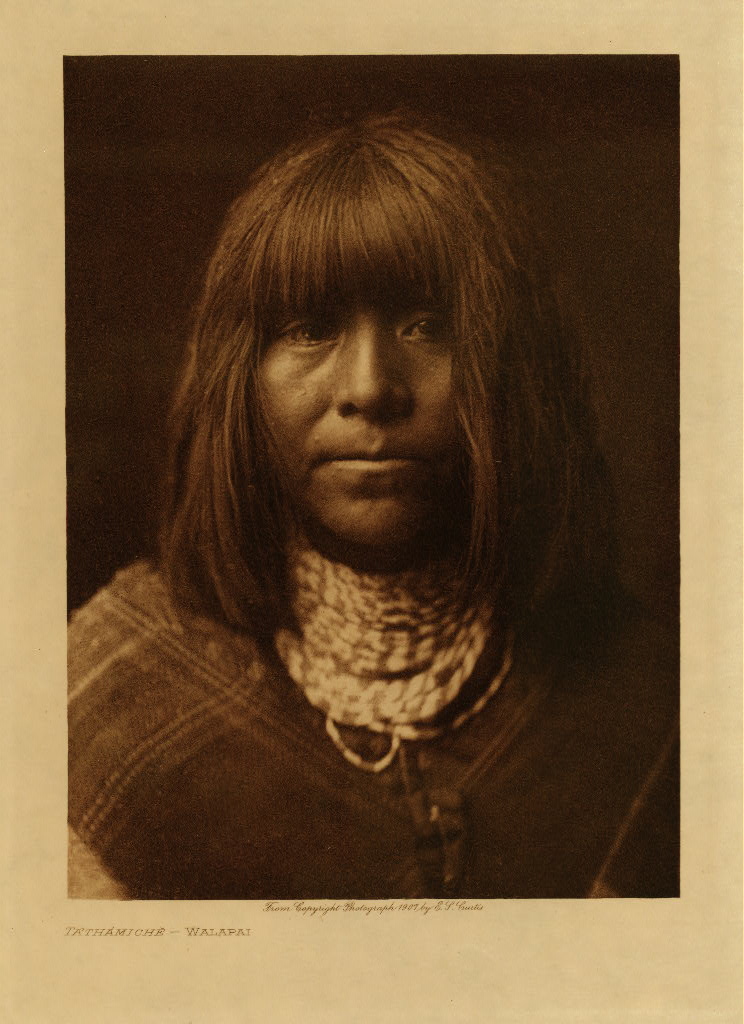
Hualapai
They call themselves Hwalbáy
Native people of northern Arizona, known as the 'people of the tall pines'
The Hualapai are a federally recognized Native American tribe in northern Arizona, with about 2,300 enrolled citizens. Their reservation covers over 1,100 square miles along the southern side of the Grand Canyon and the Colorado River, with Peach Springs as their capital. They are known for their distinct language, traditional ceremonies, and resilience through history.
- Reservation covers over 1,100 square miles in northern Arizona
- About 2,300 enrolled citizens, with over half living on the reservation
- Hualapai language is taught in local schools through bilingual programs
- Known for traditional ceremonies and deerskin dress
- Federally recognized tribe with its own government
Who are the Hualapai?
The Hualapai, or Hwalbáy, are an Indigenous people of northern Arizona. Their name means 'people of the tall pines,' reflecting their connection to the pine forests of their homeland. The Hualapai are organized as a federally recognized tribe with their own government and provide social, cultural, and educational services to their citizens. Historically, they are closely related to the Havasupai and Yavapai peoples. Their community is held together by shared language, traditions, and a strong sense of identity rooted in their land.
Where do the Hualapai live?
The Hualapai homeland stretches along a 108-mile section of the southern rim of the Grand Canyon and the Colorado River in northern Arizona. Their reservation, established in 1883, covers over 1,100 square miles across Coconino, Yavapai, and Mohave counties. The landscape includes pine forests, canyons, springs, and valleys. The tribal capital is Peach Springs, with other communities at Valentine and Grand Canyon West. The land is central to their identity and traditional way of life.
What language do the Hualapai speak?
The Hualapai language belongs to the Pai branch of the Yuman–Cochimí family and is closely related to Havasupai. It is spoken by most adults over 30 and many young people on the reservation. The Peach Springs School District supports the language through a bilingual program and immersion camps, helping to keep it vital among both Hualapai and non-Hualapai students.
How do the Hualapai live?
Traditionally, the Hualapai made their living through a mix of farming, foraging, and crafts. They gathered wild foods, hunted, and grew crops in the canyons and valleys. Houses were often conical wikiups made from cedar boughs. Deerskin and rabbit skin robes were worn for clothing. Today, many Hualapai also work in wage jobs and tribal enterprises, while crafts and traditional skills remain important.
How is Hualapai society organised?
Hualapai society is organized into three subtribes, further divided into bands and local groups, each made up of extended families living in small villages. Leadership traditionally came from respected elders and chiefs, with decisions made in council. Today, the tribe is governed by an executive, judicial branch, and a tribal council. Family and clan ties remain strong, and community events are central to social life.


What do the Hualapai believe?
The Hualapai hold traditional ceremonies such as the Maturity and Mourning ceremonies, and now also celebrate a Sobriety Festival. They believe that the souls of the dead travel northwest to a beautiful land of plenty. Traditional dress includes deerskin suits and rabbit skin robes. Rituals, music, and art are important in expressing their beliefs and identity. Christianity is also present among some members.
The history of the Hualapai
The Hualapai's history includes the traumatic Hualapai War (1865–1870), sparked by increased settler traffic and violence. The war led to heavy losses from conflict and disease, with about one-third of the people killed. After surrendering, the Hualapai were confined to a reservation that covered only part of their traditional lands. Despite these hardships, they maintained their language, culture, and community structure. The Hualapai and Havasupai were once a single people, later divided by U.S. government policy.
Hualapai life today
Today, the Hualapai number about 2,300 enrolled citizens, with over half living on the reservation. They maintain their language, culture, and governance, and provide education and services to their community. The tribe faces pressures from outside development but continues to assert their rights and revitalize traditions. Bilingual education and cultural programs support the survival of their language and identity.
Questions people ask about the Hualapai
Where do the Hualapai live?
The Hualapai live mainly on their reservation in northern Arizona, along the southern rim of the Grand Canyon and the Colorado River, with their capital at Peach Springs.
How many Hualapai are there?
There are about 2,300 enrolled Hualapai citizens, with over half residing on the reservation.
What language do the Hualapai speak?
The Hualapai speak the Hualapai language, which is part of the Yuman–Cochimí family, as well as English. The language is taught in local schools and remains in use among adults and youth.
What are the main traditional ceremonies of the Hualapai?
Major traditional ceremonies include the Maturity ceremony and the Mourning ceremony. The Sobriety Festival is also celebrated in June.
What is the Hualapai reservation like?
The reservation covers over 1,100 square miles of pine forests, canyons, and valleys in Coconino, Yavapai, and Mohave counties, with communities at Peach Springs, Valentine, and Grand Canyon West.
Sources and further reading
- Hualapai on WikipediaEncyclopedia
- Encyclopaedia BritannicaArticle
- More photos on Wikimedia CommonsPhotos
- Wikidata recordOpen data
This page was written with AI assistance from the sources above and checked automatically before publishing. It may contain mistakes, and it is no substitute for hearing from the Hualapai themselves. If something is wrong, tell us. Last refreshed 2026-10-02.
Neighbours in the United States
All peoples of the United States Jewsיהודים
🇮🇱 Israel and 11 moreAn ethnoreligious group with ancient roots in Israel and a global presence today
About 15 million
Jewsיהודים
🇮🇱 Israel and 11 moreAn ethnoreligious group with ancient roots in Israel and a global presence today
About 15 million
 Uyghursئۇيغۇرلار / Уйғурлар / Uyghurlar
🇨🇳 China and 12 moreA Turkic people of Xinjiang, China, with deep roots in Central Asia
About 12 million, Turkic (Karluk branch)
Uyghursئۇيغۇرلار / Уйғурлар / Uyghurlar
🇨🇳 China and 12 moreA Turkic people of Xinjiang, China, with deep roots in Central Asia
About 12 million, Turkic (Karluk branch)
 Palestiniansفلسطينيون
🇵🇸 Palestine and 8 moreAn Arab people native to Palestine, with a large diaspora worldwide
About 14 million, Semitic
Palestiniansفلسطينيون
🇵🇸 Palestine and 8 moreAn Arab people native to Palestine, with a large diaspora worldwide
About 14 million, Semitic
 AssyriansĀṯūrāyē / Suryoye / Suryāyē
🇮🇶 Iraq and 14 moreAn indigenous Christian people of northern Mesopotamia, speaking Neo-Aramaic.
About 1.2 million, Semitic
AssyriansĀṯūrāyē / Suryoye / Suryāyē
🇮🇶 Iraq and 14 moreAn indigenous Christian people of northern Mesopotamia, speaking Neo-Aramaic.
About 1.2 million, Semitic