Sanhaja
A historic Berber confederation spread across North and West Africa
The Sanhaja are a major Berber tribal confederation with descendants in Morocco, Algeria, Mauritania, Western Sahara, Senegal, and Niger. They are known for their historic role in founding dynasties like the Almoravids and for their presence in the Middle Atlas, Kabylia, and the western Sahara. Today, Sanhaja groups remain in several regions, some speaking Berber languages.
- Founded the Almoravid dynasty in North Africa and Spain
- Present in Morocco, Algeria, Mauritania, Western Sahara, and Senegal
- Some groups still speak Berber languages like Zenaga
- Known for the blue face veil among desert groups
- Historic confederation with several branches and dynasties
Who are the Sanhaja?
The Sanhaja are a large and historic Berber tribal confederation. They have played a major role in the history of North and West Africa, especially through the founding of dynasties and states. The Sanhaja are not a single tribe but a grouping of several confederations, each with its own branches and territories. Their identity is rooted in shared ancestry, language, and traditions, and many Sanhaja communities still maintain distinct cultural practices. Today, their descendants live in areas from Morocco and Algeria to Mauritania, Western Sahara, and Senegal.
Where do the Sanhaja live?
The Sanhaja homeland spans a wide area of North and West Africa. Key regions include the Middle Atlas mountains and Atlantic plains of Morocco, Kabylia in Algeria, the Western Sahara, and parts of Mauritania and Senegal. Some groups also live in Niger, Mali, and as far east as Libya and Sudan. The landscape varies from mountains and plains to desert and coastal areas, shaping the livelihoods and cultures of different Sanhaja communities.
What language do the Sanhaja speak?
Sanhaja groups traditionally speak Berber languages, such as Zenaga and Senhaja de Srair. Over time, many have shifted to Arabic, especially in urban or Arabized regions. Some small populations, like the Zenaga in Mauritania and Senegal, still use their Berber language, though it is now endangered. Language remains an important marker of identity for many Sanhaja.
How do the Sanhaja live?
Historically, the Sanhaja have made their living through farming and fishing, especially in semi-sedentary communities. In the Sahara and Sahel, some groups practiced pastoralism and trade. Their houses, tools, and foodways reflect adaptation to local environments, from mountain villages to desert settlements. Over time, some Sanhaja became religious leaders or joined marabout (spiritual) lineages.
How is Sanhaja society organised?
Sanhaja society is organized into confederations, tribes, and clans. Leadership and decision-making often rest with chieftains or councils of elders. Descent is usually traced through male lines, but alliances through marriage and kinship are important. Some groups are known for their religious roles, while others have been integrated into larger political entities. Social organization varies by region and history.
What do the Sanhaja believe?
Most Sanhaja are Muslim, and Islam has shaped their rituals and daily life since the early centuries of its spread in North Africa. Some groups became known for their religious scholarship and leadership, founding zawiyas (religious schools or lodges). Traditional dress in some areas includes the blue face veil, especially among the 'Sanhaja of the veil.' Art, music, and oral traditions are part of their cultural heritage.
The history of the Sanhaja
The Sanhaja played a central role in the history of the Maghreb and western Sahara. After the arrival of Islam, they spread across North and West Africa, founding dynasties such as the Zirids, Hammadids, and especially the Almoravids, who ruled Morocco, western Algeria, and parts of Spain. Over centuries, some Sanhaja became Arabized, while others maintained Berber language and customs. Many were subjugated by Arab-descended warrior groups in the 17th century, especially after the Char Bouba war. Despite these changes, Sanhaja identity endures.
Sanhaja life today
Today, Sanhaja descendants live in Morocco, Algeria, Mauritania, Western Sahara, Senegal, and Niger. Some maintain Berber languages and traditions, while others have adopted Arabic language and culture. The Zenaga of Mauritania and Senegal are a small group still speaking their language. Sanhaja communities face pressures from assimilation and language loss, but their history and identity remain significant in the region.
Questions people ask about the Sanhaja
Where do the Sanhaja live today?
Sanhaja descendants live in Morocco, Algeria, Mauritania, Western Sahara, Senegal, and Niger, with smaller groups in Mali, Tunisia, Libya, and Sudan.
How many Sanhaja are there?
The sources do not give a specific population figure for the Sanhaja today.
What language do the Sanhaja speak?
Many Sanhaja groups traditionally speak Berber languages, such as Zenaga and Senhaja de Srair, though some have shifted to Arabic.
What are the Sanhaja best known for?
They are best known for founding dynasties like the Almoravids and for their influence in the history of North and West Africa.
What is unique about Sanhaja dress?
Some Sanhaja groups, especially in the desert, are known for wearing a blue face veil.
Sources and further reading
This page was written with AI assistance from the sources above and checked automatically before publishing. It may contain mistakes, and it is no substitute for hearing from the Sanhaja themselves. If something is wrong, tell us. Last refreshed 2026-10-02.
Neighbours in Morocco
All peoples of Morocco Bedouinبدو
🇸🇦 Saudi Arabia and 15 moreNomadic and semi-nomadic Arab tribes of deserts from Arabia to North Africa
About 22 million, Afro-Asiatic
Bedouinبدو
🇸🇦 Saudi Arabia and 15 moreNomadic and semi-nomadic Arab tribes of deserts from Arabia to North Africa
About 22 million, Afro-Asiatic
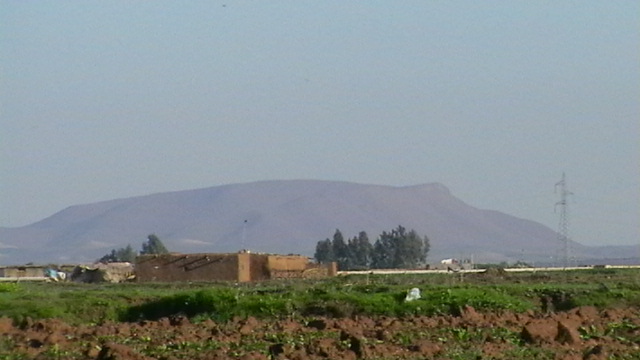 Doukkala
🇲🇦 MoroccoBerber-Arab tribal confederation of Morocco's Atlantic plains
About 360,000, Afro-Asiatic
Doukkala
🇲🇦 MoroccoBerber-Arab tribal confederation of Morocco's Atlantic plains
About 360,000, Afro-Asiatic
 BerbersImaziɣen
🇲🇦 Morocco and 8 moreIndigenous peoples of North Africa with deep roots in the Maghreb
About 25 million, Afroasiatic
BerbersImaziɣen
🇲🇦 Morocco and 8 moreIndigenous peoples of North Africa with deep roots in the Maghreb
About 25 million, Afroasiatic
 ZenataIznaten
🇲🇦 Morocco and 5 moreA major Berber tribal confederation of the Maghreb, once nomadic and semi-nomadic
Historical, Afro-Asiatic (Berber branch)
ZenataIznaten
🇲🇦 Morocco and 5 moreA major Berber tribal confederation of the Maghreb, once nomadic and semi-nomadic
Historical, Afro-Asiatic (Berber branch)
Other Afro-Asiatic speakers
See them all Quraysh
🇸🇦 Saudi ArabiaMerchant Arab tribe of Mecca, central in early Islamic history
Afro-Asiatic
Quraysh
🇸🇦 Saudi ArabiaMerchant Arab tribe of Mecca, central in early Islamic history
Afro-Asiatic
 HausaHausawa
🇳🇬 Nigeria and 20 moreA major West African people of the Sahel and savanna, known for trade and Islamic heritage
About 86 million, Afro-Asiatic
HausaHausawa
🇳🇬 Nigeria and 20 moreA major West African people of the Sahel and savanna, known for trade and Islamic heritage
About 86 million, Afro-Asiatic
 Abbasidsالعباسيون
🇮🇶 Iraq and 3 moreArab dynasty that ruled the Abbasid Caliphate from 750 to 1258
Historical, Afro-Asiatic
Abbasidsالعباسيون
🇮🇶 Iraq and 3 moreArab dynasty that ruled the Abbasid Caliphate from 750 to 1258
Historical, Afro-Asiatic
 Tribe of Judahשֵׁבֶט יְהוּדָה (Shevet Yehudah)
🇮🇱 Israel and 2 moreA leading tribe of ancient Israel, centered in southern Judea
Historical, Afro-Asiatic
Tribe of Judahשֵׁבֶט יְהוּדָה (Shevet Yehudah)
🇮🇱 Israel and 2 moreA leading tribe of ancient Israel, centered in southern Judea
Historical, Afro-Asiatic