
Mura
They call themselves Buxwaray
Indigenous people of the central and eastern Amazon in Brazil
The Mura are an Indigenous people living in the central and eastern parts of Amazonas, Brazil, mainly along the Amazon River between the Madeira and Purus rivers. Numbering around 18,328, they are known for their history of resistance to Portuguese colonization and their continued presence in the region. Today, most Mura speak Portuguese, with only the Pirahã subgroup retaining their original language.
- Live along the Amazon, Madeira, and Purus rivers in Amazonas, Brazil
- Known for resisting Portuguese colonization for over a century
- Most now speak Portuguese; only the Pirahã subgroup retains their language
- Blend animist beliefs with Catholic and Evangelical practices
- Have special rights to use part of Matupiri State Park
Who are the Mura?
The Mura are an Indigenous people of Brazil, living mainly in the central and eastern parts of Amazonas state. Their communities are found along the Amazon, Madeira, and Purus rivers. The Mura have a strong sense of identity shaped by their shared history, language, and traditions. They are known for their resilience and for maintaining their cultural practices despite centuries of outside pressures. Today, the Mura include both rural and urban dwellers, with many living in recognized Indigenous territories.
Where do the Mura live?
The Mura homeland stretches across the central and eastern Amazon basin in Brazil, especially along the Amazon, Madeira, and Purus rivers. Their territory includes riverine forests, floodplains, and areas rich in fish and forest resources. Some Mura live in the Cunhã-Sapucaia Indigenous Territory along the Igapó-Açu River, and they have special rights to use parts of the Matupiri State Park for traditional activities like fishing and gathering forest products.
What language do the Mura speak?
Historically, the Mura spoke several dialects of the Mura language. Over time, contact with outsiders led to a shift first to Nheengatú (a regional lingua franca) and then to Portuguese. Today, most Mura speak Portuguese, and the original Mura languages are extinct except for Pirahã, spoken by the Pirahã subgroup. The loss of language reflects broader changes in Mura society and their integration into wider Brazilian life.
How do the Mura live?
The Mura make their living through a mix of fishing, farming, livestock raising, and extracting forest resources. Some villages focus on specific industries, such as straw crafts or ecotourism. Men often take on physically demanding work, with boys learning by joining them, while women handle less physically intensive tasks. The Mura are not isolated; they interact with other Indigenous groups and the broader Brazilian economy, adapting their livelihoods to changing circumstances.
How is Mura society organised?
Mura society has adapted over time, especially as contact with non-Indigenous Brazilians increased. Historically, they lived in small villages, but government policies in the early 20th century concentrated them into larger settlements and towns. Intermarriage with non-Indigenous Brazilians has been common. Decision-making and social organization are influenced by both traditional structures and modern Indigenous councils, such as the Mura Indigenous Council.
What do the Mura believe?
Mura religious beliefs blend traditional animism with elements of Catholicism and Evangelicalism. Shamans play an important role, believed to have special powers and holding respected positions in society. Christian practices among the Mura include baptism and the veneration of saints, but these are often mixed with Indigenous rituals, such as flagellation and the use of narcotics in ceremonies. This syncretism reflects the Mura's ability to adapt and maintain their spiritual identity.
The history of the Mura
The Mura were first recorded by the Portuguese in 1714 and soon became known for their resistance to colonization. They fought a century-long conflict with the Portuguese, expanding their territory as other tribes declined. After peace was made in 1786, the Mura faced new challenges, including conflict with the Munduruku, who eventually dominated them. In the 19th and 20th centuries, the Mura suffered from land loss, forced resettlement, exploitation during the Rubber Boom, and stigmatization. Despite these hardships, they maintained their identity and began organizing for rights and recognition in the late 20th century.
Mura life today
Today, the Mura number around 18,328 and live in both rural and urban areas of Amazonas. They have secured some land rights, such as in the Cunhã-Sapucaia Indigenous Territory, and participate in Indigenous organizations. The Mura continue to face pressures from land loss and economic change but are active in defending their rights and cultural heritage. Their community includes both those who maintain traditional practices and those integrated into wider Brazilian society.
Questions people ask about the Mura
Where do the Mura live?
The Mura live mainly in the central and eastern parts of Amazonas state in Brazil, along the Amazon, Madeira, and Purus rivers. Some also live in recognized Indigenous territories like Cunhã-Sapucaia.
How many Mura are there?
There are about 18,328 Mura people, according to recent figures.
What language do the Mura speak?
Most Mura now speak Portuguese. The original Mura languages are extinct except for Pirahã, spoken by the Pirahã subgroup.
What are the main beliefs of the Mura?
The Mura practice a blend of animist traditions and Christianity, especially Catholicism and Evangelicalism. Shamans are important in their spiritual life.
How do the Mura make a living?
The Mura earn a living through fishing, farming, livestock raising, crafts, and wage work. Some villages focus on activities like ecotourism or straw farming.
Sources and further reading
This page was written with AI assistance from the sources above and checked automatically before publishing. It may contain mistakes, and it is no substitute for hearing from the Mura themselves. If something is wrong, tell us. Last refreshed 2026-10-02.
Neighbours in Brazil
All peoples of Brazil Jewsיהודים
🇮🇱 Israel and 11 moreAn ethnoreligious group with ancient roots in Israel and a global presence today
About 15 million
Jewsיהודים
🇮🇱 Israel and 11 moreAn ethnoreligious group with ancient roots in Israel and a global presence today
About 15 million
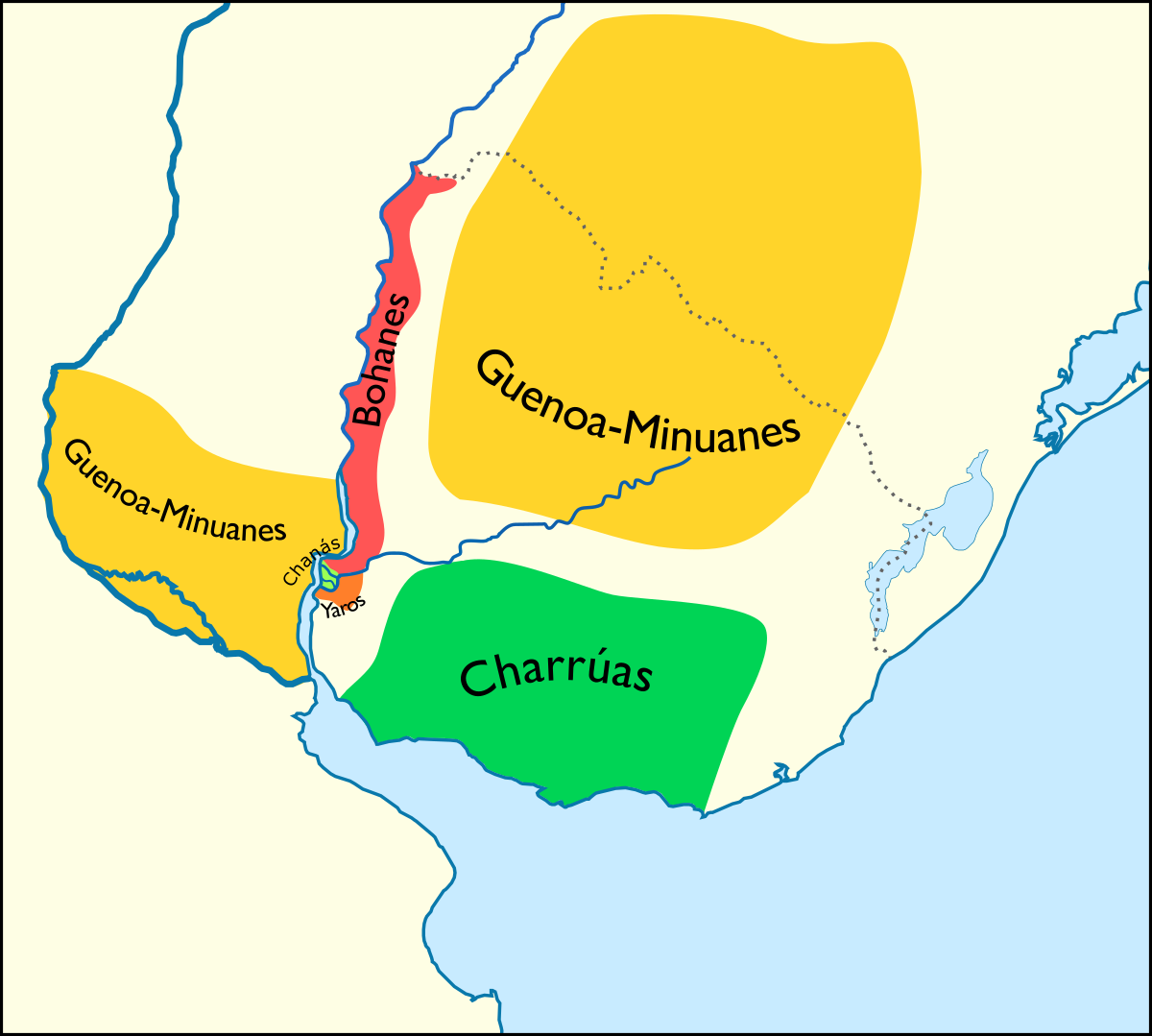 CharrúaCharrua
🇺🇾 Uruguay and 2 moreSemi-nomadic Indigenous people of Uruguay, Argentina, and Brazil
About 159,000
Aikanã
🇧🇷 BrazilIndigenous people of Rondônia, western Amazonian lowlands
About 350
CharrúaCharrua
🇺🇾 Uruguay and 2 moreSemi-nomadic Indigenous people of Uruguay, Argentina, and Brazil
About 159,000
Aikanã
🇧🇷 BrazilIndigenous people of Rondônia, western Amazonian lowlands
About 350
 Pataxó
🇧🇷 BrazilIndigenous people of Bahia, Brazil, reviving their language and culture
About 12,000
Pataxó
🇧🇷 BrazilIndigenous people of Bahia, Brazil, reviving their language and culture
About 12,000