
Oromo
They call themselves Oromoo
Cushitic-speaking people of Ethiopia and Kenya, known for the gadaa system
The Oromo are a Cushitic-speaking people mainly living in Ethiopia, with communities in Kenya, Sudan, and Somalia. They are one of the largest ethnic groups in the Horn of Africa, numbering over 25 million in Ethiopia alone (2007 census), and are known for their traditional gadaa system of governance and diverse religious practices.
Who are the Oromo?
The Oromo are a Cushitic people who live mainly in Ethiopia's Oromia region and in parts of northern Kenya, Sudan, and Somalia. They are united by their language, Oromo (Afaan Oromoo), and a shared history and culture. Traditionally, the Oromo organized themselves through the gadaa system, an age-based social and political structure. Over time, they have assimilated other groups and adapted to different ways of life, but their sense of identity remains strong. Today, the Oromo are one of the largest ethnic groups in Africa.
Where do the Oromo live?
The Oromo homeland stretches across the Oromia region of Ethiopia, a vast area of highlands, valleys, and savannas. This region includes fertile agricultural land as well as areas suited for herding livestock. In addition to Ethiopia, Oromo communities are found in northern Kenya, parts of Sudan, and Somalia. The land has shaped their livelihoods, from pastoralism in the drier areas to settled farming in the more fertile regions.
What language do the Oromo speak?
The Oromo speak Afaan Oromoo, also known as the Oromo language. It belongs to the Cushitic branch of the Afroasiatic language family. Oromo is widely spoken in Ethiopia and is one of the country's major languages. It is used in daily life, local administration, and education in the Oromia region. The language remains a key part of Oromo identity.
How do the Oromo live?
Traditionally, the Oromo were nomadic pastoralists, herding cattle and other livestock across the grasslands. As they settled in new regions, many adopted farming, especially in the fertile Gibe region, where they grew crops and developed a land-owning class. In the east and south, pastoralism remained important until the late 19th century. Today, Oromo livelihoods include both herding and settled agriculture, depending on the region.
How is Oromo society organised?
Oromo society was historically organized through the gadaa system, an age-grade structure that governed political, social, and ritual life. Leaders were elected for eight-year terms, and all adult men trained as warriors. The society was divided into clans and lineages, with rules for marriage, inheritance, and leadership. The gadaa system emphasized consensus and collective decision-making. Over time, some regions developed kingdoms and permanent leadership roles.


What do the Oromo believe?
Oromo religious life is diverse. Most Oromo today are Sunni Muslim or Christian (Ethiopian Orthodox, Protestant, or Catholic). A small minority practice Waaqeffanna, the traditional monotheistic religion centered on Waaq, the sky god. Rituals, festivals, and music remain important, and traditional dress is still worn at cultural events like the Irreechaa festival.
The history of the Oromo
The Oromo likely originated near Lake Chew Bahir and Lake Chamo in southern Ethiopia and northern Kenya. In the 16th century, they expanded northward in a movement known as the Great Oromo Migrations, settling much of central and southern Ethiopia. The gadaa system provided social cohesion and military organization. Over time, the Oromo established kingdoms, assimilated other peoples, and played major roles in Ethiopian history, including forming dynasties and influencing imperial politics. In the late 19th century, their territories were incorporated into the Ethiopian Empire.
Oromo life today
Today, the Oromo are Ethiopia's largest ethnic group and maintain a strong presence in Kenya, Sudan, and Somalia. They continue to speak their language and practice their traditions, though many have adopted Islam or Christianity. The Oromo have faced pressures from political changes, land loss, and assimilation, but their identity and cultural revival remain important to many communities.
Questions people ask about the Oromo
Where do the Oromo live?
The Oromo live in Ethiopia, Kenya, Sudan, Somalia and South Sudan, in the Oromia region of Ethiopia and parts of northern Kenya.
How many Oromo people are there?
Our sources give the Oromo population as 25,489,000 in Ethiopia (2007 census); 739,839 in Kenya (2019); 105,000 in Sudan (2022); 41,600 in Somalia (2000). Counts of peoples vary with who is counted and when.
What language do the Oromo speak?
The Oromo speak Oromo (Afaan Oromoo), which belongs to the Cushitic family of languages.
How do the Oromo make a living?
The Oromo are known for herding and settled farming. Like most peoples, they combine several ways of making a living, and these have changed over time.
Sources and further reading
- Oromo people on WikipediaEncyclopedia
- Encyclopaedia BritannicaArticle
- More photos on Wikimedia CommonsPhotos
- Wikidata recordOpen data
This page was written with AI assistance from the sources above and checked automatically before publishing. It may contain mistakes, and it is no substitute for hearing from the Oromo themselves. If something is wrong, tell us. Last refreshed 2026-10-02.
Neighbours in Ethiopia
All peoples of Ethiopia FulaniFulɓe
🇳🇬 Nigeria and 21 moreCattle herders and farmers spread across West and Central Africa
About 39 million, Atlantic-Congo (Niger-Congo)
FulaniFulɓe
🇳🇬 Nigeria and 21 moreCattle herders and farmers spread across West and Central Africa
About 39 million, Atlantic-Congo (Niger-Congo)
 HausaHausawa
🇳🇬 Nigeria and 20 moreA major West African people of the Sahel and savanna, known for trade and Islamic heritage
About 86 million, Afro-Asiatic
HausaHausawa
🇳🇬 Nigeria and 20 moreA major West African people of the Sahel and savanna, known for trade and Islamic heritage
About 86 million, Afro-Asiatic
 Somalis
🇸🇴 Somalia and 6 morePastoral and trading people native to the Horn of Africa
About 28 million, Cushitic (Afroasiatic)
Somalis
🇸🇴 Somalia and 6 morePastoral and trading people native to the Horn of Africa
About 28 million, Cushitic (Afroasiatic)
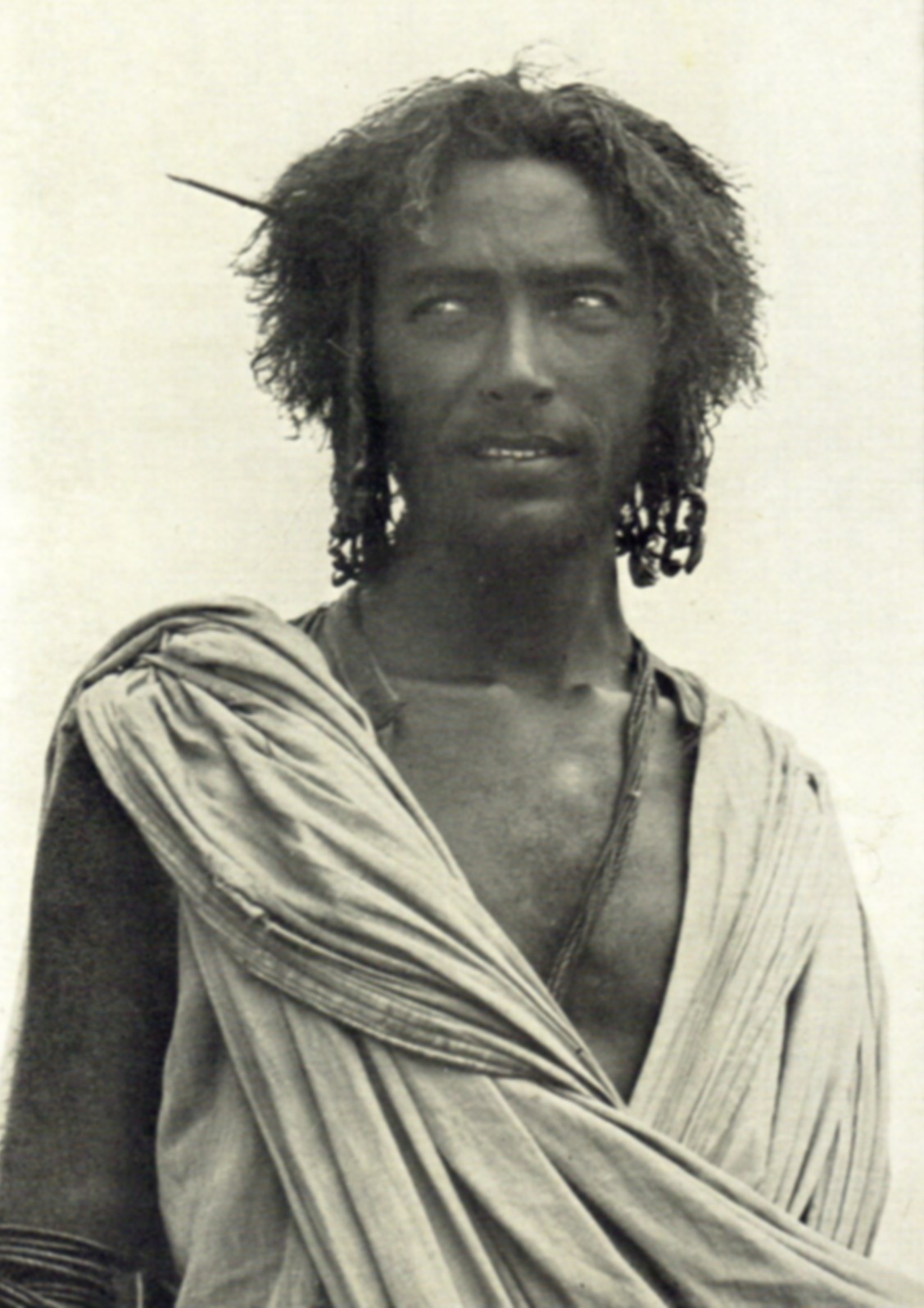 AfarQafár
🇪🇹 Ethiopia and 2 moreNomadic herders of the Horn of Africa's deserts and coasts
About 3.4 million, Afroasiatic, Cushitic
AfarQafár
🇪🇹 Ethiopia and 2 moreNomadic herders of the Horn of Africa's deserts and coasts
About 3.4 million, Afroasiatic, Cushitic