
Sumba
They call themselves Tau Humba
Austronesian people of Sumba Island, Indonesia, known for Marapu beliefs and megalithic tombs
The Sumba, or Tau Humba, are an Austronesian people living on Sumba Island in Indonesia, numbering about 658,721. They are known for their Marapu religion, megalithic tombs, horse breeding, and vibrant weaving traditions. Despite foreign influences, the Sumba have maintained much of their distinct culture.
Who are the Sumba?
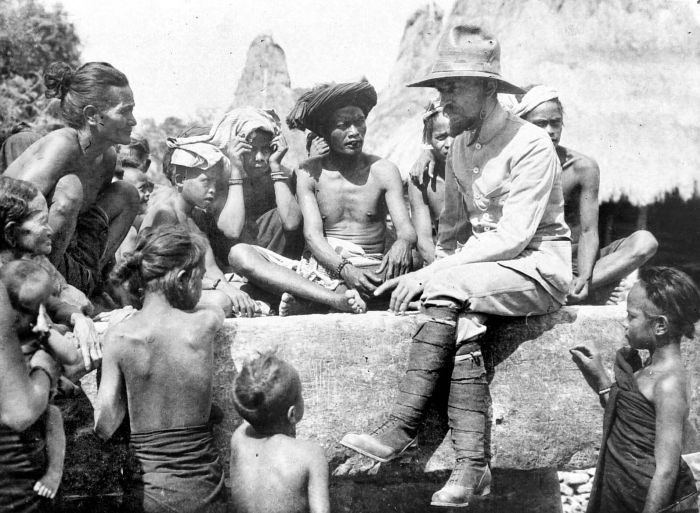
The Sumba people, or Tau Humba, are an Austronesian ethnic group native to Sumba Island in Indonesia. Their identity is shaped by a shared language, customs, and the Marapu religion, which remains central to their worldview. The Sumba are organized into tribal communities, each with its own traditions and social roles. Despite centuries of outside contact and colonial rule, they have preserved many aspects of their culture, including distinctive rituals, textiles, and social structures.
Where do the Sumba live?
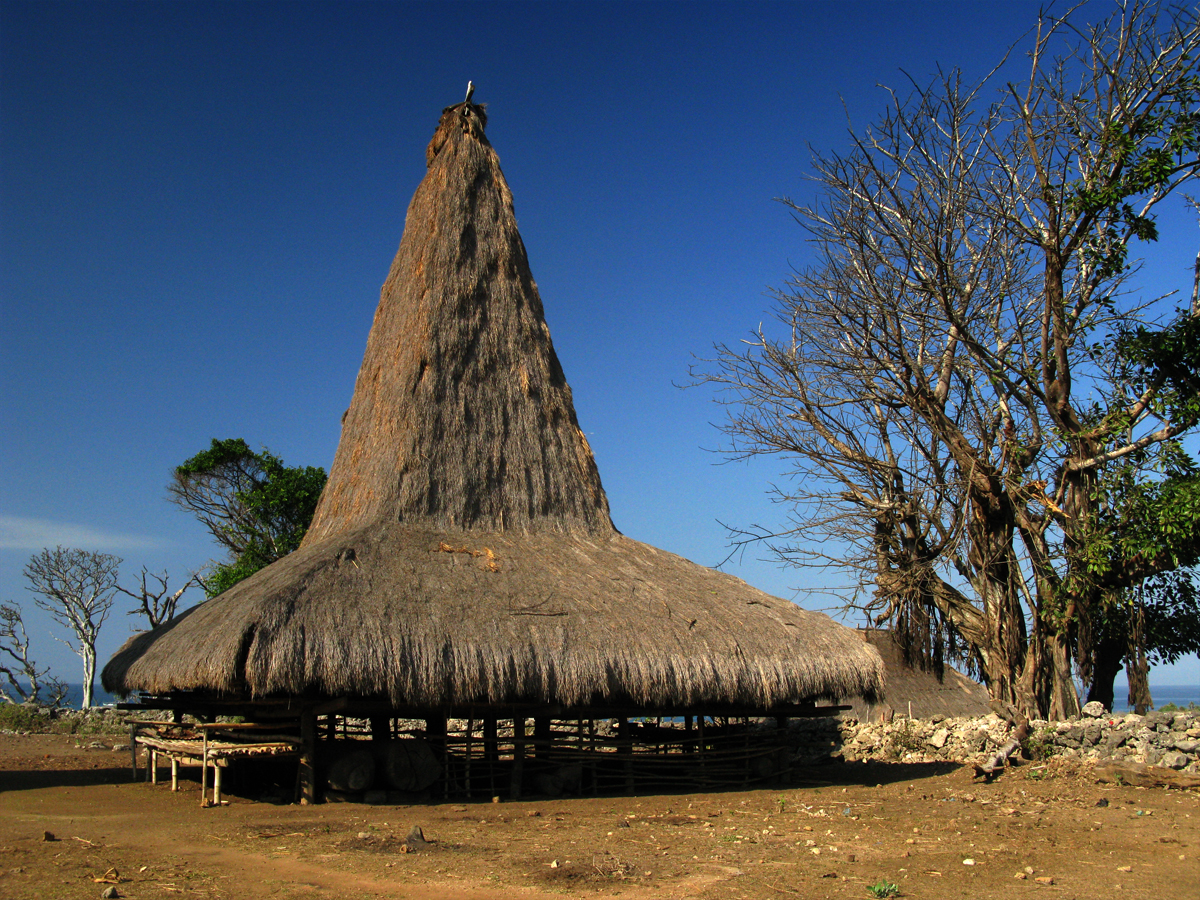
Sumba Island lies in the Lesser Sunda Islands of Indonesia, divided into four regencies. The island features a tropical savanna climate, with regular droughts shaping local agriculture and settlement patterns. Villages are often built on hilltops and surrounded by dense thickets for defense. The landscape is known for its megalithic tombs and traditional houses raised on stilts, with thatched roofs designed for natural ventilation.
What language do the Sumba speak?
Sumba people speak languages from the Bima-Sumba group, including Kambera, alongside Indonesian. These Austronesian languages are still widely used in daily life and cultural ceremonies. Weaving and oral folklore help preserve their linguistic heritage, though Indonesian is increasingly used in education and administration.
How do the Sumba live?
Agriculture is the mainstay of Sumba life, with slash-and-burn methods adapted to the island’s dry climate. They grow rice, beans, tubers, and corn, mainly for their own use. Livestock such as horses, buffalo, cows, and chickens are important, with Sumba horses especially valued. Traditional crafts include weaving intricate textiles and stone carving. Houses are built from bamboo and thatch, raised on poles for protection from the elements.
How is Sumba society organised?
Sumba society is organized by patrilineal descent, with extended families and tribal communities controlling land and water. Social strata—nobles, priests, and commoners—are less visible today but still influence ceremonial life. Leadership varies by region: eastern Sumba developed complex hierarchies, while western Sumba maintained smaller tribal groups. Kinship and inheritance pass through the male line.


What do the Sumba believe?
The Marapu religion, centered on ancestor and deity worship, shapes Sumba rituals, architecture, and art. Ceremonies, traditional houses, and textiles all reflect Marapu philosophy. Christianity, mainly Protestantism, spread in the 19th century and is now the majority faith, but Marapu practices remain strong. Festivals like pasola, involving ritual spear-throwing on horseback, and elaborate funerary rites are important cultural expressions.
The history of the Sumba
Sumba’s origins are traced in myth to two ancestors, with the Sumba and Sawu peoples sharing early ties. The island’s population likely formed from a mix of Australoid and Austronesian peoples. Megalithic tomb-building began in the Neolithic and continues today. Sumba traded with outsiders, especially in wood and resin, and developed horse breeding after contact with Arab traders. The island came under Dutch colonial rule in the late 19th century, with reforms and uprisings shaping its modern history. Sumba joined Indonesia in 1949.
Sumba life today
Sumba people number about 658,721 and maintain many traditional practices, though modern influences are growing. Christianity is now the majority religion, but Marapu beliefs and rituals remain vital. The island faces challenges from drought and economic change, but weaving, festivals, and megalithic traditions continue to thrive. Social distinctions are less pronounced, but cultural identity remains strong.
Questions people ask about the Sumba
Where do the Sumba live?
The Sumba live in Indonesia, in the Sumba Island, Lesser Sunda Islands.
How many Sumba people are there?
Our sources give the Sumba population as about 658,721 (Wikidata). Counts of peoples vary with who is counted and when.
What language do the Sumba speak?
The Sumba speak Bima-Sumba languages, Kambera, Indonesian, which belongs to the Austronesian family of languages.
How do the Sumba make a living?
The Sumba are known for settled farming, herding and craft and trade. Like most peoples, they combine several ways of making a living, and these have changed over time.
Sources and further reading
This page was written with AI assistance from the sources above and checked automatically before publishing. It may contain mistakes, and it is no substitute for hearing from the Sumba themselves. If something is wrong, tell us. Last refreshed 2026-10-02.
Neighbours in Indonesia
All peoples of Indonesia MalaysOrang Melayu
🇲🇾 Malaysia and 4 moreAustronesian people of the Malay Peninsula, Sumatra, Borneo and nearby islands
About 30 million, Austronesian
MalaysOrang Melayu
🇲🇾 Malaysia and 4 moreAustronesian people of the Malay Peninsula, Sumatra, Borneo and nearby islands
About 30 million, Austronesian
 Minangkabaubangso Minangkabau
🇮🇩 Indonesia and 3 moreMatrilineal Muslim society from the highlands of West Sumatra
About 6.6 million, Austronesian
Minangkabaubangso Minangkabau
🇮🇩 Indonesia and 3 moreMatrilineal Muslim society from the highlands of West Sumatra
About 6.6 million, Austronesian
 Sundaneseᮅᮛᮀ ᮞᮥᮔ᮪ᮓ (Urang Sunda)
🇮🇩 Indonesia and 3 moreThe native people of western Java, Indonesia, known for their language and traditions
About 42 million, Austronesian
Sundaneseᮅᮛᮀ ᮞᮥᮔ᮪ᮓ (Urang Sunda)
🇮🇩 Indonesia and 3 moreThe native people of western Java, Indonesia, known for their language and traditions
About 42 million, Austronesian
 Balineseanak Bali
🇮🇩 IndonesiaHindu-majority people of Bali, known for art, dance, and water-temple farming
About 3.9 million, Austronesian
Balineseanak Bali
🇮🇩 IndonesiaHindu-majority people of Bali, known for art, dance, and water-temple farming
About 3.9 million, Austronesian
Other Austronesian speakers
See them all TorajaTo Raya
🇮🇩 IndonesiaHighland people of South Sulawesi known for elaborate funerals and tongkonan houses
About 1.1 million, Austronesian
TorajaTo Raya
🇮🇩 IndonesiaHighland people of South Sulawesi known for elaborate funerals and tongkonan houses
About 1.1 million, Austronesian
 Sama-BajauSama
🇵🇭 Philippines and 3 moreSeafaring Austronesian people of the southern Philippines, Borneo, and eastern Indonesia
About 1.3 million, Austronesian
Sama-BajauSama
🇵🇭 Philippines and 3 moreSeafaring Austronesian people of the southern Philippines, Borneo, and eastern Indonesia
About 1.3 million, Austronesian
 MadureseOrèng Mâdhurâ
🇮🇩 Indonesia and 2 moreCattle herders and satay makers from Madura Island and eastern Java
About 7.2 million, Austronesian
MadureseOrèng Mâdhurâ
🇮🇩 Indonesia and 2 moreCattle herders and satay makers from Madura Island and eastern Java
About 7.2 million, Austronesian
 IbanDayak Iban
🇲🇾 Malaysia and 2 moreDayak people of northwestern Borneo, known for longhouses and weaving
About 740,000, Austronesian
IbanDayak Iban
🇲🇾 Malaysia and 2 moreDayak people of northwestern Borneo, known for longhouses and weaving
About 740,000, Austronesian