Shinnecock
Algonquian-speaking nation on Long Island, New York, known for wampum and whaling
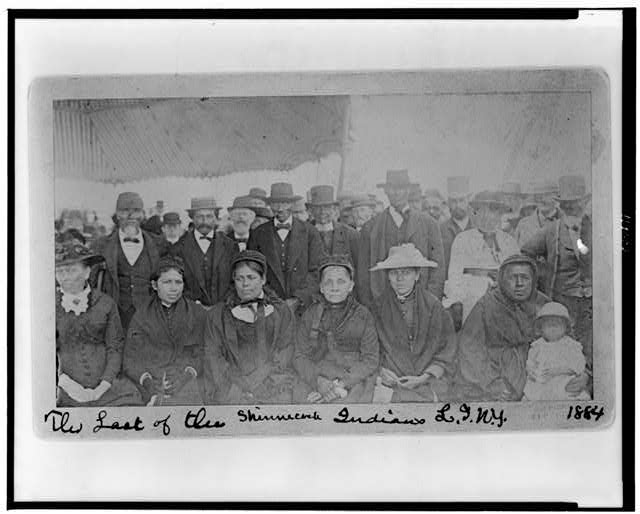
The Shinnecock are a federally recognized Algonquian-speaking Native American nation based at the eastern end of Long Island, New York. With about 1,292 enrolled members, they live mainly on the Shinnecock Reservation near Southampton and are known for their history of whaling, wampum-making, and their annual powwow.
Who are the Shinnecock?
The Shinnecock are an Indigenous people whose homeland is at the eastern end of Long Island, New York. They are part of the larger Algonquian-speaking group of tribes in the region. Their community is centered on the Shinnecock Reservation, where they maintain their traditions and governance. The Shinnecock have a long history of living by the sea, making wampum, and participating in whaling. Their identity is shaped by kinship, shared history, and cultural practices, including their annual powwow and efforts to revitalize their language.
Where do the Shinnecock live?
The Shinnecock live on the southeastern shore of Long Island, New York, mainly within the Shinnecock Reservation near Southampton. Their land includes coastal areas, bays, and creeks, which have shaped their way of life as fishers and sailors. The reservation, established by the mid-19th century, covers about 800 acres. The region is known for its stony shores and rich marine resources, which have long supported the Shinnecock people.
What language do the Shinnecock speak?
The Shinnecock historically spoke a dialect of Mohegan-Pequot-Montauk, part of the Algonquian language family. Due to colonial pressures and bans on Indigenous languages in schools, the language declined and is no longer spoken as a first language. Today, English is the main language, but the Shinnecock are engaged in language renewal programs to revive their ancestral tongue for future generations.
How do the Shinnecock live?
Traditionally, the Shinnecock made their living through fishing, whaling, farming, and making wampum from local shells. Wampum was used for trade, record-keeping, and ceremonial purposes, and Shinnecock wampum was highly valued. In the 19th century, many Shinnecock men worked as sailors and fishermen, especially in the whaling industry. Today, some community members work in crafts, local enterprises, and wage labor, while others are involved in cultural and educational activities on the reservation.
How is Shinnecock society organised?
The Shinnecock historically organized themselves in autonomous villages linked by kinship. Leadership has long included elected trustees, a system formalized in the late 18th century and continuing today. Family and community ties remain strong, and intermarriage with other local groups, including African Americans, has shaped the community. Women gained the right to vote in tribal affairs in 1994. Decision-making is guided by elected leaders and community participation.


What do the Shinnecock believe?
The Shinnecock practice a mix of Christianity and traditional beliefs. Ceremonies, such as the annual powwow, celebrate their heritage through dance, music, and crafts. Wampum holds cultural and spiritual significance. Art, beadwork, and traditional music are important, and the community supports programs to teach and preserve these practices. The reservation includes a Presbyterian church and a cultural center.
The history of the Shinnecock
The Shinnecock are Indigenous to Long Island and were once part of a network of Algonquian-speaking villages. European colonization brought disease, land loss, and disruption. By the mid-17th century, epidemics and land encroachment had reduced their numbers. The Shinnecock were skilled whalers and sailors, often contracted by colonists. Their land was gradually reduced to the current reservation. In 2010, after decades of advocacy, they gained federal recognition. The tribe has also pursued land claims and sought to protect burial grounds and cultural sites.
Shinnecock life today
Today, the Shinnecock number about 1,292 enrolled members, with more than half living on the reservation. They govern their own affairs and continue to fight for land rights and cultural preservation. The annual powwow draws thousands of visitors. The community faces pressures from development and past land loss but remains active in cultural renewal, language revitalization, and economic development. In 2024, Lisa Goree became the first woman chair of the tribal council.
Questions people ask about the Shinnecock
Where do the Shinnecock live?
The Shinnecock live in the United States, in the eastern Long Island, New York.
How many Shinnecock people are there?
Our sources give the Shinnecock population as 1,292 enrolled members. Counts of peoples vary with who is counted and when.
What language do the Shinnecock speak?
The Shinnecock speak English (formerly Mohegan-Pequot), which belongs to the Algonquian family of languages.
How do the Shinnecock make a living?
The Shinnecock are known for fishing and the sea, settled farming, craft and trade and towns and wage work. Like most peoples, they combine several ways of making a living, and these have changed over time.
Sources and further reading
- Shinnecock Indian Nation on WikipediaEncyclopedia
- Official websiteOfficial site
- More photos on Wikimedia CommonsPhotos
- Wikidata recordOpen data
This page was written with AI assistance from the sources above and checked automatically before publishing. It may contain mistakes, and it is no substitute for hearing from the Shinnecock themselves. If something is wrong, tell us. Last refreshed 2026-10-02.
Neighbours in the United States
All peoples of the United States ShawneeŠaawanooaki
🇺🇸 United StatesAlgonquian-speaking people now based in Oklahoma, once of the Ohio Valley
About 8,000, Algonquian
ShawneeŠaawanooaki
🇺🇸 United StatesAlgonquian-speaking people now based in Oklahoma, once of the Ohio Valley
About 8,000, Algonquian
 ArapahoHinono'eino
🇺🇸 United StatesPlains Algonquian people now in Wyoming and Oklahoma
About 11,000, Algonquian
ArapahoHinono'eino
🇺🇸 United StatesPlains Algonquian people now in Wyoming and Oklahoma
About 11,000, Algonquian
 PotawatomiBodéwadmi
🇺🇸 United States and 1 moreKeepers of the fire in the Great Lakes and Plains, with many recognized bands today
About 43,000, Algonquian
PotawatomiBodéwadmi
🇺🇸 United States and 1 moreKeepers of the fire in the Great Lakes and Plains, with many recognized bands today
About 43,000, Algonquian
 Narragansett
🇺🇸 United StatesIndigenous people of Rhode Island, known for their ties to Narragansett Bay
About 3,000, Algonquian
Narragansett
🇺🇸 United StatesIndigenous people of Rhode Island, known for their ties to Narragansett Bay
About 3,000, Algonquian
Other Algonquian speakers
See them all Pequot
🇺🇸 United StatesNative people of Connecticut, known for survival and revival after near-destruction
About 2,000, Algonquian
Pequot
🇺🇸 United StatesNative people of Connecticut, known for survival and revival after near-destruction
About 2,000, Algonquian
 MenomineeMamaceqtaw
🇺🇸 United StatesA Native nation rooted in Wisconsin, known for wild rice and forest stewardship
About 9,000, Algonquian
MenomineeMamaceqtaw
🇺🇸 United StatesA Native nation rooted in Wisconsin, known for wild rice and forest stewardship
About 9,000, Algonquian
 PassamaquoddyPeskotomuhkati
🇺🇸 United States and 1 moreNative people of Maine and New Brunswick, known for fishing and the Wabanaki Confederacy
About 4,000, Algonquian
PassamaquoddyPeskotomuhkati
🇺🇸 United States and 1 moreNative people of Maine and New Brunswick, known for fishing and the Wabanaki Confederacy
About 4,000, Algonquian
 Piegan BlackfeetPiikáni
🇺🇸 United States and 1 moreLargest group of the Blackfeet Confederacy in Montana and Alberta
About 105,000, Algonquian
Piegan BlackfeetPiikáni
🇺🇸 United States and 1 moreLargest group of the Blackfeet Confederacy in Montana and Alberta
About 105,000, Algonquian