
Kurds
They call themselves کورد
Indigenous Iranic people of Kurdistan, spanning Turkey, Iran, Iraq, and Syria
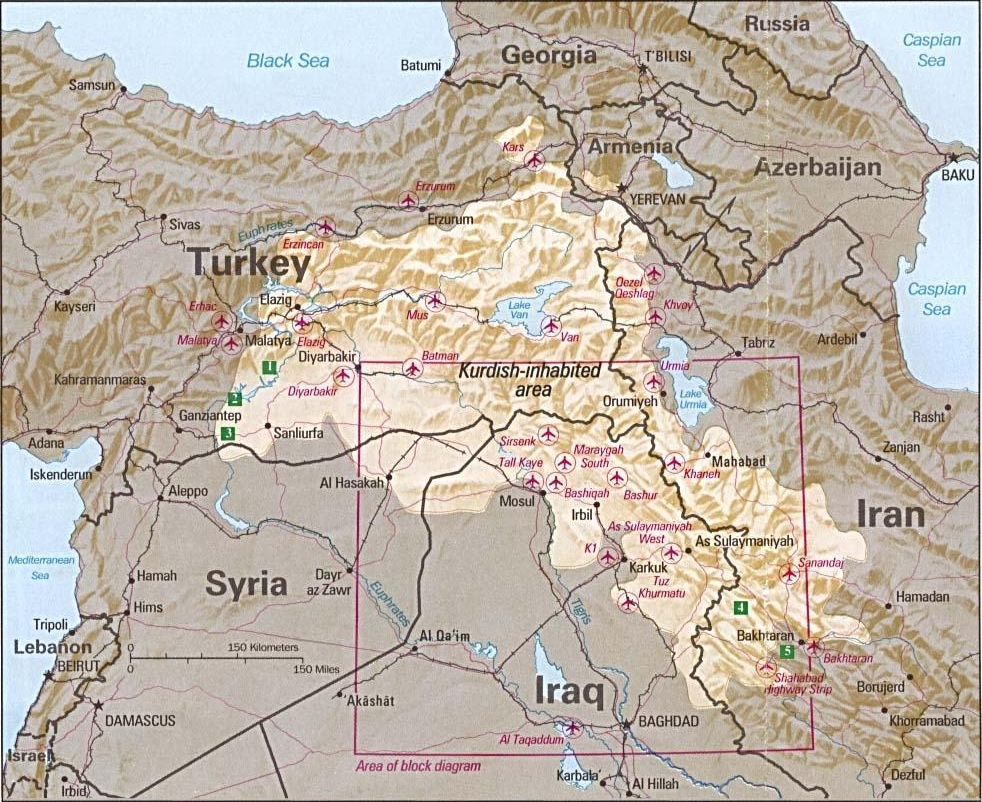
The Kurds are an Iranic ethnic group native to Kurdistan, a region that covers parts of southeastern Turkey, northwestern Iran, northern Iraq, and northeastern Syria. Numbering between 30 and 45 million, they are the fourth largest ethnic group in the Middle East and are known for their distinct languages, cultures, and ongoing struggles for autonomy.
- Kurds number 30–45 million, mainly in Turkey, Iran, Iraq, and Syria
- Kurdish is a Western Iranic language with several dialects
- Most Kurds are Sunni Muslims, but Yazidism and other faiths are present
- Kurds have an autonomous region in Iraq but no independent state
- Large Kurdish diaspora communities exist in Europe
Who are the Kurds?
The Kurds are an Iranic people indigenous to a region called Kurdistan, which stretches across parts of Turkey, Iran, Iraq, and Syria. They share a set of related languages and a strong sense of cultural identity, shaped by their mountainous homeland and history. While most Kurds are Sunni Muslims, their communities also include followers of other religions such as Yazidism and Alevism. Despite being one of the largest ethnic groups in the Middle East, the Kurds do not have a nation-state of their own. Their identity is maintained through language, traditions, and a shared history of both resilience and struggle.
Where do the Kurds live?
Kurdistan is a mountainous region that spans southeastern Turkey, northwestern Iran, northern Iraq, and northeastern Syria. This land is known for its rugged terrain, with high peaks, deep valleys, and fertile plains. The climate varies from cold, snowy winters in the mountains to hot, dry summers in the lowlands. The landscape has shaped Kurdish ways of life, supporting both farming and herding. Many Kurds also live in cities and towns within and beyond this region, including significant diaspora communities in Europe and the Caucasus.
What language do the Kurds speak?
Kurdish is a group of closely related dialects, mainly Kurmanji, Sorani, and others, belonging to the Western Iranic language family. Zazaki and Gorani, spoken by some Kurds, are related but not classified as Kurdish dialects. Kurdish holds official status in Iraq and is recognized as a minority language in Iran and Armenia. Many Kurds are multilingual, often speaking the dominant language of their country alongside Kurdish. In diaspora, Kurdish is sometimes lost in later generations.
How do the Kurds live?
Traditionally, Kurds have made their living through a mix of farming and herding, shaped by the mountains and valleys of Kurdistan. Sheep and goats are commonly raised, and agriculture includes wheat, barley, and fruit. Crafts such as weaving and carpet-making are also important. In recent decades, many Kurds have moved to cities, taking up wage labor and other urban jobs. In diaspora communities, Kurds work in a wide range of occupations. Their homes vary from rural stone houses to modern apartments in cities.
How is Kurds society organised?
Kurdish society has long been organized around extended families, clans, and tribal networks. These groups often play a key role in social life and decision-making. Leadership may be hereditary or based on respect and influence within the community. Marriage is usually within the Kurdish community, though customs vary by region and religion. While traditional structures remain important, urbanization and migration have brought changes, especially in the diaspora, where community organizations and cultural associations help maintain identity.


What do the Kurds believe?
Most Kurds are Sunni Muslims, mainly following the Shafi'i school, but there are also significant numbers of Shia Muslims, Alevis, Yazidis, and followers of Yarsanism and Zoroastrianism. Yazidism and Yarsanism are ancient religions rooted in the region, with unique rituals and beliefs. Music, dance, and storytelling are central to Kurdish culture, and traditional dress includes colorful fabrics and distinctive patterns. Religious and cultural festivals, such as Newroz (the Kurdish New Year), are widely celebrated.
The history of the Kurds
The Kurds have ancient roots in the region, with references to related peoples dating back to Sumerian and Assyrian times. Many Kurds trace their ancestry to the Medes, an ancient Iranian people. After World War I and the collapse of the Ottoman Empire, plans for a Kurdish state were outlined in the Treaty of Sèvres but were never realized. The Treaty of Lausanne (1923) left Kurds divided among several countries. Throughout the 20th and 21st centuries, Kurds have faced discrimination, forced assimilation, and violence, but have also established autonomous regions, most notably in Iraq. Their history is marked by repeated struggles for recognition and rights.
Kurds life today
Today, Kurds number between 30 and 45 million, mostly in Turkey, Iran, Iraq, and Syria, with large diaspora communities in Europe. In Iraq, Kurds have a recognized autonomous region. In other countries, they often face restrictions on language and cultural expression. Many Kurds continue to seek greater rights and, for some, independence. Despite pressures, Kurdish culture, language, and identity remain strong, supported by community organizations and cultural revival efforts.
Questions people ask about the Kurds
Where do the Kurds live?
Kurds mainly live in a region called Kurdistan, which covers parts of southeastern Turkey, northwestern Iran, northern Iraq, and northeastern Syria. There are also large Kurdish communities in Armenia, Azerbaijan, and across Europe.
How many Kurds are there?
Estimates range from 30 to 45 million Kurds worldwide, making them the fourth largest ethnic group in the Middle East. About one to two million Kurds live in diaspora communities, especially in Germany and other European countries.
What language do Kurds speak?
Kurds speak Kurdish, a group of related dialects including Kurmanji and Sorani. Zazaki and Gorani are also spoken by some Kurds. Many are bilingual, speaking the dominant language of their country as well.
What religions do Kurds follow?
Most Kurds are Sunni Muslims, but there are also significant communities of Shia Muslims, Alevis, Yazidis, Yarsanis, and some Christians and Zoroastrians.
Do Kurds have their own country?
Kurds do not have an independent country. They have an autonomous region in Iraq, but in other countries they are a minority and often seek greater rights and recognition.
Sources and further reading
- Kurds on WikipediaEncyclopedia
- Encyclopaedia BritannicaArticle
- More photos on Wikimedia CommonsPhotos
- Wikidata recordOpen data
This page was written with AI assistance from the sources above and checked automatically before publishing. It may contain mistakes, and it is no substitute for hearing from the Kurds themselves. If something is wrong, tell us. Last refreshed 2026-10-02.
Neighbours in Turkey
All peoples of Turkey Uyghursئۇيغۇرلار / Уйғурлар / Uyghurlar
🇨🇳 China and 12 moreA Turkic people of Xinjiang, China, with deep roots in Central Asia
About 12 million, Turkic (Karluk branch)
Uyghursئۇيغۇرلار / Уйғурлар / Uyghurlar
🇨🇳 China and 12 moreA Turkic people of Xinjiang, China, with deep roots in Central Asia
About 12 million, Turkic (Karluk branch)
 ChechensНохчий (Nokhchiy)
🇷🇺 Russia and 11 moreA Northeast Caucasian people rooted in Chechnya and the North Caucasus
About 1.7 million, Northeast Caucasian
ChechensНохчий (Nokhchiy)
🇷🇺 Russia and 11 moreA Northeast Caucasian people rooted in Chechnya and the North Caucasus
About 1.7 million, Northeast Caucasian
 AssyriansĀṯūrāyē / Suryoye / Suryāyē
🇮🇶 Iraq and 14 moreAn indigenous Christian people of northern Mesopotamia, speaking Neo-Aramaic.
About 1.2 million, Semitic
AssyriansĀṯūrāyē / Suryoye / Suryāyē
🇮🇶 Iraq and 14 moreAn indigenous Christian people of northern Mesopotamia, speaking Neo-Aramaic.
About 1.2 million, Semitic
 GagauzGagauzlar
🇲🇩 Moldova and 8 moreA Turkic-speaking Orthodox Christian people of southern Moldova and Ukraine
About 150,000, Turkic
GagauzGagauzlar
🇲🇩 Moldova and 8 moreA Turkic-speaking Orthodox Christian people of southern Moldova and Ukraine
About 150,000, Turkic