Xavante
Indigenous people of eastern Mato Grosso, Brazil, known for dual-clan society
The Xavante are an Indigenous people living mainly in eastern Mato Grosso state, Brazil. Numbering about 30,000, they speak the Xavante language of the Jê family and are known for their dual-clan society, initiation rituals, and a history marked by displacement, disease, and land loss.
Who are the Xavante?
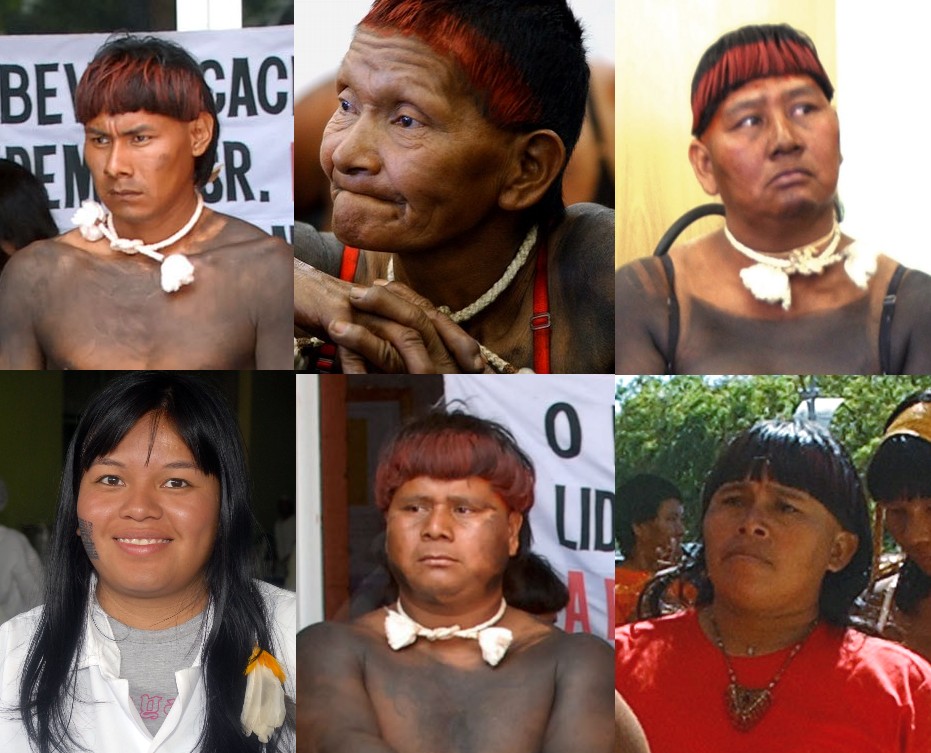
The Xavante are an Indigenous people of Brazil, living mainly in eastern Mato Grosso. Their society is organized around two main clans, Âwawẽ and Po'reza'õno, which shape social life and marriage rules. The Xavante are known for their strong sense of identity, maintained through rituals, clan competitions, and a shared language. Their history includes periods of forced removal, disease, and ongoing struggles to protect their land and way of life. Despite these challenges, the Xavante continue to uphold their traditions and community ties.
Where do the Xavante live?
The Xavante live in the eastern part of Mato Grosso state in central Brazil. Their traditional lands once included lush forests, but much of this area has been damaged by landgrabbing and burning, leaving behind pasture and wasteland. The region is part of the interior Amazon Basin, with a landscape that has changed significantly due to outside pressures and environmental destruction.
What language do the Xavante speak?
The Xavante speak the Xavante language, which belongs to the Jê language family. This language is a key part of their cultural identity and is still spoken within their communities. The sources do not provide details on the current state of the language, but its continued use is noted.
How is Xavante society organised?
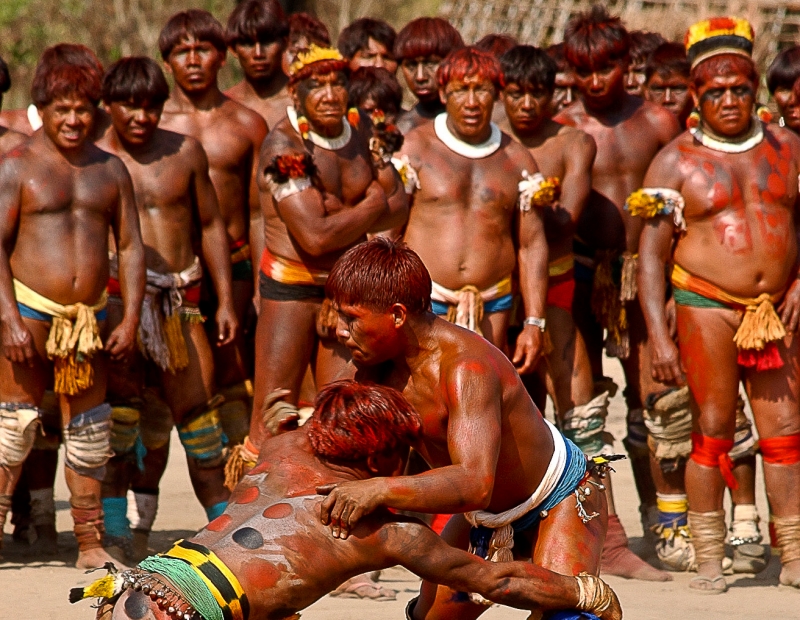
Xavante society is built around a dual-clan system, with the Âwawẽ and Po'reza'õno clans. People must marry outside their own clan, strengthening ties between the two groups. Clan competitions, such as log races where members carry heavy palm trunks, are important social events. Initiation rituals for young males, including the gradual stretching of earlobes with wooden sticks, mark the passage to adulthood. Leadership and decision-making are not detailed in the sources, but clan structure is central to social organization.
What do the Xavante believe?
The sources do not specify the religious beliefs of the Xavante. However, they describe complex initiation rituals for young men, such as inserting and enlarging wooden sticks in the earlobes. Clan competitions and ceremonies, including log races, are important cultural events. The Xavante have also participated in music collaborations, such as with the band Sepultura, sharing their songs and traditions.
The history of the Xavante
The Xavante were enslaved in the 18th century, leading them to avoid contact with outsiders. After a brief period of coexistence with non-Indigenous society in the 19th century, they withdrew to Mato Grosso. In the 20th century, they suffered massacres, disease, and forced relocation under government programs. Thousands died from disease, famine, and conflict after being moved from their homeland. In recent decades, they have returned to their original lands, but much of the environment has been destroyed by landgrabbing and burning. Their history has led to a deep distrust of outsiders.
Xavante life today
Today, the Xavante number about 30,000 people. They continue to face challenges from land loss and environmental damage. Despite these pressures, they maintain their language, clan system, and cultural practices. Their leader Mário Juruna became the first Indigenous Brazilian federal representative, highlighting their ongoing presence and activism. The Xavante remain wary of outsiders but are active in defending their rights and traditions.
Questions people ask about the Xavante
Where do the Xavante live?
The Xavante live in Brazil, in the eastern Mato Grosso state, Brazil.
How many Xavante people are there?
Our sources give the Xavante population as about 30,000. Counts of peoples vary with who is counted and when.
What language do the Xavante speak?
The Xavante speak Xavante, which belongs to the Jê family of languages.
Sources and further reading
- Xavante on WikipediaEncyclopedia
- Encyclopaedia BritannicaArticle
- More photos on Wikimedia CommonsPhotos
- Wikidata recordOpen data
This page was written with AI assistance from the sources above and checked automatically before publishing. It may contain mistakes, and it is no substitute for hearing from the Xavante themselves. If something is wrong, tell us. Last refreshed 2026-10-02.
Neighbours in Brazil
All peoples of Brazil KayapoMebêngôkre
🇧🇷 BrazilIndigenous people of Brazil's Xingu River basin, known for activism and body art
About 12,000, Jê
Kaingangkanhgág
🇧🇷 BrazilIndigenous people of southern Brazil with a dual clan society
About 51,000, Jê
KayapoMebêngôkre
🇧🇷 BrazilIndigenous people of Brazil's Xingu River basin, known for activism and body art
About 12,000, Jê
Kaingangkanhgág
🇧🇷 BrazilIndigenous people of southern Brazil with a dual clan society
About 51,000, Jê
 Xerente
🇧🇷 BrazilCentral Jê people of Tocantins, Brazil, with strong clan traditions
About 4,000, Jê
SuyáKisêdjê
🇧🇷 BrazilIndigenous people of Brazil's Upper Xingu, known for collective life and lip plates
About 424, Jê
Xerente
🇧🇷 BrazilCentral Jê people of Tocantins, Brazil, with strong clan traditions
About 4,000, Jê
SuyáKisêdjê
🇧🇷 BrazilIndigenous people of Brazil's Upper Xingu, known for collective life and lip plates
About 424, Jê