Pygmy peoples
Short-statured hunter-gatherer groups of the Congo Basin and Central Africa
The Pygmy peoples are several hunter-gatherer groups known for their short stature, living mainly in the Congo Basin and across Central Africa. Their population is estimated at around 920,000 (2016), with the largest numbers in the Democratic Republic of the Congo. They are best known for their forest-based way of life and complex vocal music traditions.
- Live mainly in the Congo Basin rainforest
- Population estimated at 920,000 (2016)
- Known for complex polyphonic vocal music
- Face discrimination and forced removal from land
- Traditionally live by hunting, gathering, and fishing
Who are the Pygmy peoples?
The Pygmy peoples are a collection of distinct ethnic groups in Central Africa, united by their tradition of living as hunter-gatherers and by their characteristic short stature. They include groups such as the Aka, Baka, Mbuti, and Batwa, each with their own languages and customs. Many prefer to be called by their specific group names. Their societies are shaped by close ties to the forest, communal music, and a deep knowledge of their environment. Despite differences, they share a history of marginalization and resilience.
Where do the Pygmy peoples live?
Pygmy groups live mainly in the Congo Basin, a vast rainforest spanning several Central African countries. This region is rich in biodiversity, with dense forests, rivers, and swamps. Some groups, like the Twa, also live in open swamps or even dry areas. The forest provides food, shelter, and materials for daily life, and shapes their cultural practices. However, many have been pushed out of their traditional lands by conservation projects and agriculture.
What language do the Pygmy peoples speak?
Pygmy peoples speak a variety of languages, often those of their farming neighbors, including Bantu, Ubangian, and Central Sudanic languages. Some groups retain specialized vocabularies related to forest life and honey collecting, which may reflect older languages now lost. There is no single Pygmy language, and linguistic diversity is high. Language shift and borrowing are common due to close contact with other peoples.
How do the Pygmy peoples live?
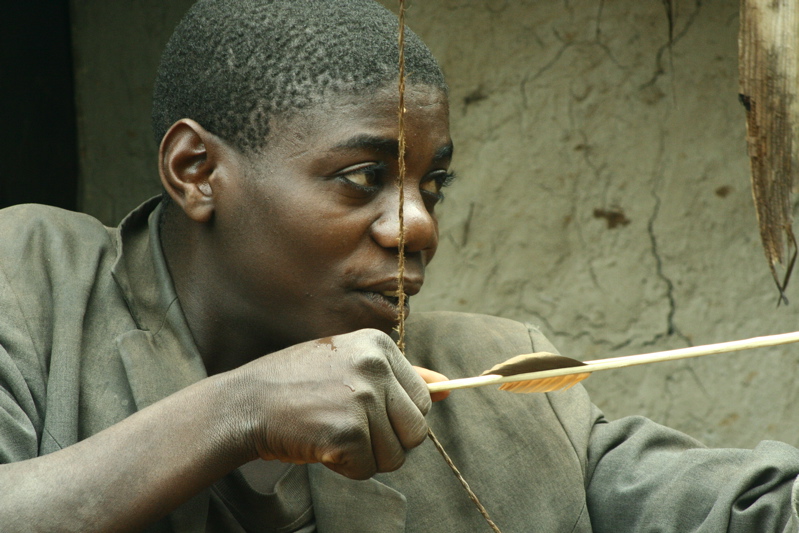
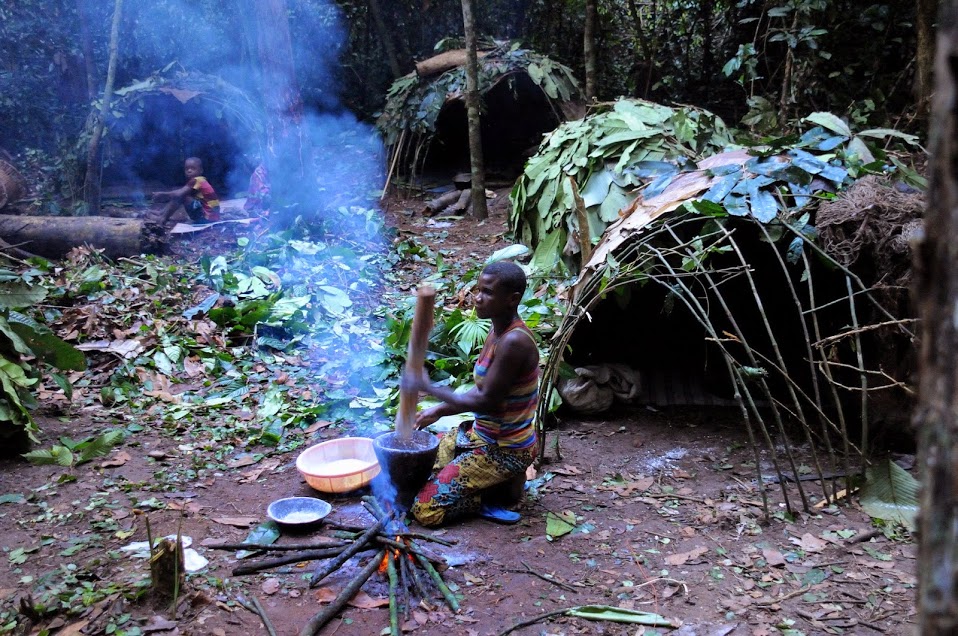
Traditionally, Pygmy groups rely on hunting, gathering wild foods, and fishing in the forest. They use nets, bows, and traps to hunt, and gather honey, fruits, and roots. They often trade forest products for cultivated foods and goods with nearby farmers. Some now work for wages or perform manual labor. Houses are usually simple shelters made from forest materials, easily moved as needed. Their deep knowledge of the forest is central to survival.
How is Pygmy peoples society organised?
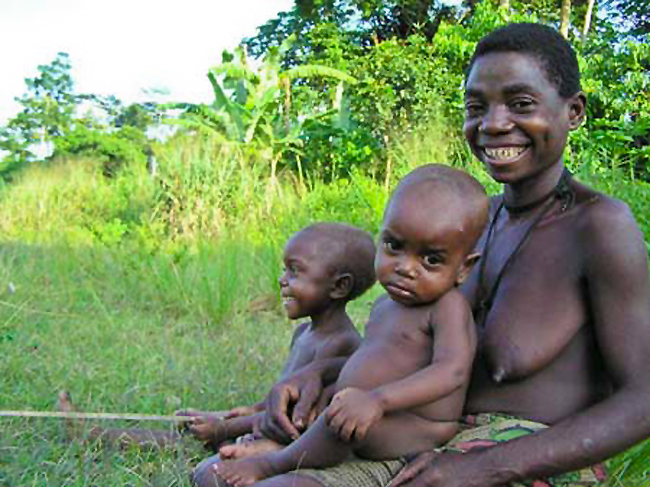
Pygmy societies are generally organized around small, mobile bands with flexible membership. Family and kinship ties are important, and decision-making is often communal. Marriage practices and descent rules vary among groups. Leadership is informal, with elders and skilled hunters respected. Social life is marked by cooperation and sharing, especially in food gathering and music-making. Relations with neighboring peoples can be unequal, with Pygmies often facing discrimination.


What do the Pygmy peoples believe?
Music is central to Pygmy culture, especially complex polyphonic singing performed in groups. Songs accompany daily tasks, rituals, and social events. Beliefs and rituals are closely tied to the forest and its spirits. Artistic traditions are mainly oral and musical rather than written. Dress is practical for forest life, often using materials from the environment. Rituals and ceremonies mark important life events and maintain social harmony.
The history of the Pygmy peoples
The ancestors of African Pygmies likely entered the Congo Basin before 60,000 years ago, and are thought to descend from ancient hunter-gatherers. Over time, they adopted languages from neighboring farming groups. Genetic studies show they are among the most ancient indigenous peoples in Africa. Pygmy groups have faced violence, forced removal from their lands for conservation, and discrimination. Many were targeted during conflicts such as the Rwandan genocide and the Second Congo War, suffering killings and displacement.
Pygmy peoples life today
Today, Pygmy peoples face many challenges, including loss of land, discrimination, and poverty. Some live as manual laborers or in conditions of servitude. Recent legal changes in the Democratic Republic of the Congo have begun to recognize their rights, but enforcement is limited. Many continue to struggle for recognition, land rights, and access to services. Despite hardships, their cultural traditions, especially music, remain strong.
Questions people ask about the Pygmy peoples
Where do the Pygmy peoples live?
They live mainly in the Congo Basin and surrounding regions of Central Africa, including the Democratic Republic of the Congo, Republic of the Congo, Central African Republic, Cameroon, Gabon, Rwanda, and Uganda.
How many Pygmy people are there?
Their population is estimated at about 920,000 as of 2016, with the largest numbers in the Democratic Republic of the Congo.
What language do Pygmy peoples speak?
They speak various languages, mainly Bantu, Ubangian, and Central Sudanic languages, often those of neighboring farming communities.
How do Pygmy peoples make a living?
Traditionally, they hunt, gather wild foods, and fish in the forest. Many also trade with nearby farmers or work for wages.
What challenges do Pygmy peoples face today?
They face discrimination, loss of land, poverty, and sometimes forced removal from their traditional territories for conservation or development.
Sources and further reading
- Pygmy peoples on WikipediaEncyclopedia
- Encyclopaedia BritannicaArticle
- More photos on Wikimedia CommonsPhotos
- Wikidata recordOpen data
This page was written with AI assistance from the sources above and checked automatically before publishing. It may contain mistakes, and it is no substitute for hearing from the Pygmy peoples themselves. If something is wrong, tell us. Last refreshed 2026-10-02.
