
Palestinians
They call themselves فلسطينيون
An Arab people native to Palestine, with a large diaspora worldwide
Palestinians are an Arab people native to the region of Palestine, sharing a common cultural and linguistic heritage. Today, about 14.3 million Palestinians live in historic Palestine and across a global diaspora, with large populations in Jordan, Israel, Syria, Lebanon, and Chile. They are known for their strong sense of identity, history of displacement, and aspirations for self-determination.
Who are the Palestinians?
Palestinians are an Arab people whose roots trace back to the region of Palestine. They share a strong sense of cultural, linguistic, and historical identity, shaped by centuries of living in the Levant. Despite differences in religion and local customs, Palestinians are united by their connection to the land and their shared experiences, especially displacement and the ongoing struggle for recognition and self-determination. Their identity has evolved over time, especially in response to political changes and migration, but remains closely tied to the land of historic Palestine.
Where do the Palestinians live?
Palestinians originate from historic Palestine, a region stretching from the Mediterranean Sea to the Jordan River. This area includes the present-day West Bank, Gaza Strip, and Israel. The landscape ranges from coastal plains and fertile valleys to hills and arid zones. Many Palestinians continue to live in towns and villages across this land, while others reside in refugee camps or urban centers in neighboring countries and beyond, maintaining strong ties to their ancestral homeland.
What language do the Palestinians speak?
Palestinians speak Arabic, specifically the Levantine dialect common to the region. Arabic is used in daily life, literature, and media. The language is a key part of Palestinian identity and culture, connecting communities within Palestine and across the diaspora. While most Palestinians are fluent in Arabic, some also speak other languages, especially in diaspora communities.
How do the Palestinians live?
Traditionally, many Palestinians made their living through farming, growing crops such as olives, wheat, and citrus fruits, and raising livestock. Fishing was important along the coast, especially in Gaza. Crafts, including embroidery and pottery, are also part of Palestinian heritage. Today, many Palestinians work in towns and cities, in trades, services, and professions, both in Palestine and abroad. Economic life is shaped by political conditions, displacement, and limited access to land and resources.
How is Palestinians society organised?
Palestinian society is organized around extended families and clans, with strong ties to local communities. Family and kinship play a central role in social life, and traditional customs shape marriage and daily interactions. Decisions are often made through consultation among elders and community leaders. Despite urbanization and migration, these social structures remain important, especially in rural areas and refugee camps.



What do the Palestinians believe?
Most Palestinians are Muslim, mainly Sunni, but there are also significant Christian communities and a small number of Jews with Palestinian heritage. Religious practices and festivals are important in daily life. Palestinian culture is rich in oral traditions, music, dance (such as dabke), and distinctive embroidery, which is a symbol of identity. Art, poetry, and storytelling are valued forms of expression.
The history of the Palestinians
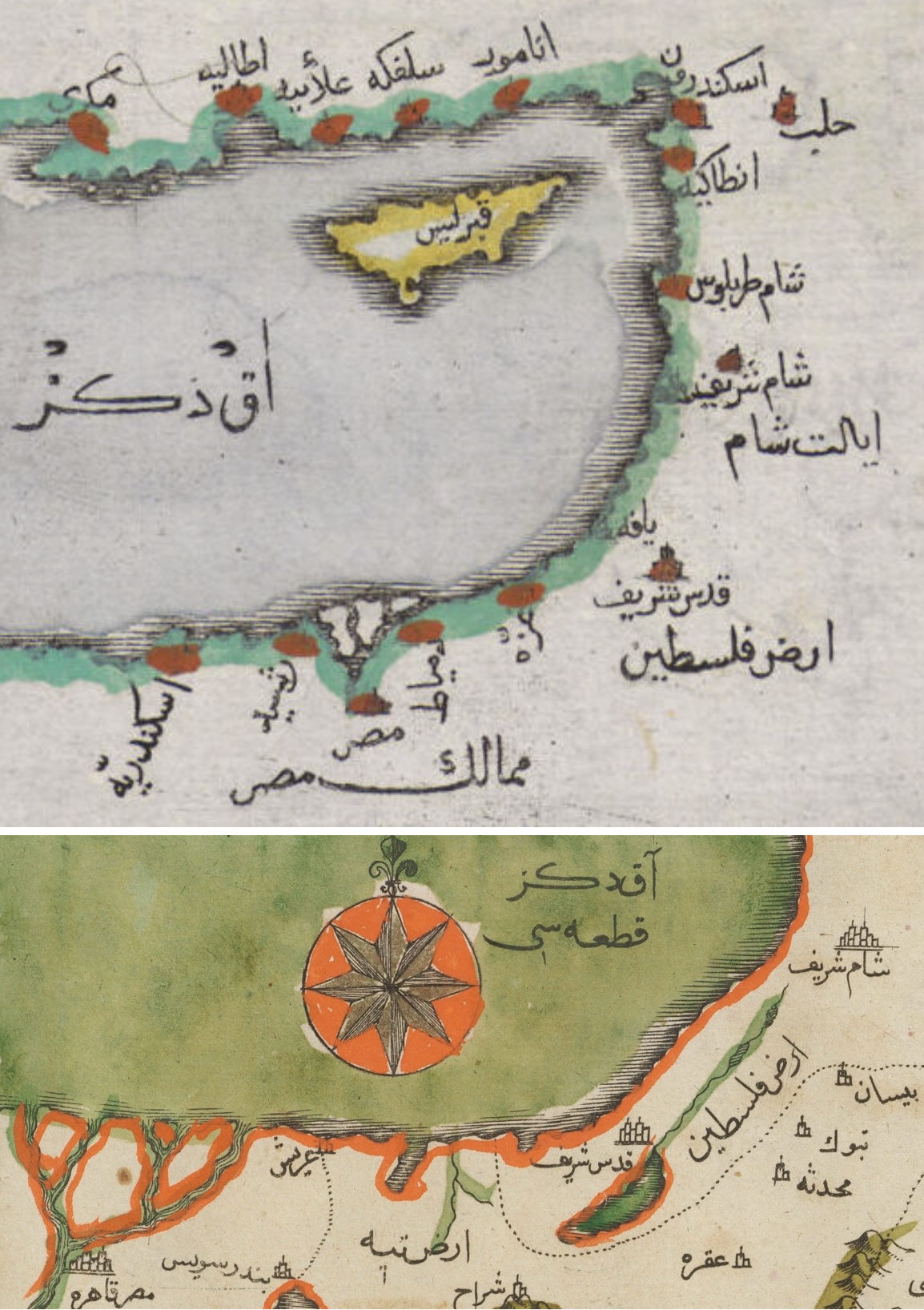
Palestinians trace their ancestry to ancient peoples of the Levant, including Canaanites and later Arab settlers. Over centuries, the region saw many changes in rule and population, including Roman, Byzantine, Arab, and Ottoman periods. In the 20th century, the end of Ottoman rule, British Mandate, and the creation of Israel led to wars and mass displacement. The 1948 and 1967 conflicts resulted in millions becoming refugees. Since then, Palestinians have lived under occupation, in exile, or as minorities in other countries, with ongoing struggles for rights and recognition.
Palestinians life today
Today, about half of all Palestinians live in historic Palestine, while the rest are part of a global diaspora. Many are refugees or stateless, especially in neighboring Arab countries. In the West Bank and Gaza Strip, Palestinians live under varying degrees of self-rule and occupation. In Israel, they form a significant minority. Despite challenges, Palestinians maintain their culture and identity, and continue to seek self-determination and recognition.
Questions people ask about the Palestinians
Where do the Palestinians live?
The Palestinians live in Palestine, Israel, Jordan, Syria, Lebanon and Chile, in the historic Palestine, including the West Bank, Gaza Strip, and Israel.
How many Palestinians people are there?
Our sources give the Palestinians population as 14.3 million (2024). Counts of peoples vary with who is counted and when.
What language do the Palestinians speak?
The Palestinians speak Arabic, which belongs to the Semitic family of languages.
How do the Palestinians make a living?
The Palestinians are known for settled farming, fishing and the sea, craft and trade and towns and wage work. Like most peoples, they combine several ways of making a living, and these have changed over time.
Sources and further reading
- Palestinians on WikipediaEncyclopedia
- Encyclopaedia BritannicaArticle
- More photos on Wikimedia CommonsPhotos
- Wikidata recordOpen data
This page was written with AI assistance from the sources above and checked automatically before publishing. It may contain mistakes, and it is no substitute for hearing from the Palestinians themselves. If something is wrong, tell us. Last refreshed 2026-10-02.
Neighbours in Palestine
All peoples of Palestine Tribe of Reubenרְאוּבֵן
🇯🇴 Jordan and 3 moreAn ancient Israelite tribe east of the Jordan River
Historical, Semitic
Tribe of Reubenרְאוּבֵן
🇯🇴 Jordan and 3 moreAn ancient Israelite tribe east of the Jordan River
Historical, Semitic
 Banu Khuza'a
🇸🇦 Saudi Arabia and 3 moreA historic Arab tribe, once rulers of Mecca and the Hejaz
Semitic
Qays
🇸🇦 Saudi Arabia and 7 moreA major Arab tribal confederation of northern Arabia and the early Islamic world
Historical, Semitic
Banu Khuza'a
🇸🇦 Saudi Arabia and 3 moreA historic Arab tribe, once rulers of Mecca and the Hejaz
Semitic
Qays
🇸🇦 Saudi Arabia and 7 moreA major Arab tribal confederation of northern Arabia and the early Islamic world
Historical, Semitic
 Banu Kalb
🇸🇾 Syria and 7 moreA major Arab tribe of the Syrian desert and steppe, 5th–12th centuries CE
Historical, Semitic
Banu Kalb
🇸🇾 Syria and 7 moreA major Arab tribe of the Syrian desert and steppe, 5th–12th centuries CE
Historical, Semitic
Other Semitic speakers
See them all AssyriansĀṯūrāyē / Suryoye / Suryāyē
🇮🇶 Iraq and 14 moreAn indigenous Christian people of northern Mesopotamia, speaking Neo-Aramaic.
About 1.2 million, Semitic
AssyriansĀṯūrāyē / Suryoye / Suryāyē
🇮🇶 Iraq and 14 moreAn indigenous Christian people of northern Mesopotamia, speaking Neo-Aramaic.
About 1.2 million, Semitic
 Twelve Tribes of Israelשִׁבְטֵי־יִשְׂרָאֵל (Šiḇṭê Yiśrāʾēl)
🇮🇱 Israel and 5 moreAncient tribal confederation of the biblical Israelites in Canaan
Historical, Semitic
Twelve Tribes of Israelשִׁבְטֵי־יִשְׂרָאֵל (Šiḇṭê Yiśrāʾēl)
🇮🇱 Israel and 5 moreAncient tribal confederation of the biblical Israelites in Canaan
Historical, Semitic
 Ansarالأنصار
🇸🇦 Saudi ArabiaSupporters of Muhammad from Medina's Banu Aws and Banu Khazraj tribes
Historical, Semitic
Ansarالأنصار
🇸🇦 Saudi ArabiaSupporters of Muhammad from Medina's Banu Aws and Banu Khazraj tribes
Historical, Semitic
 Tribe of Benjaminבִּנְיָמִן (Binyāmīn)
🇮🇱 IsraelAncient Israelite tribe between Judah and Ephraim, famed for warriors and King Saul
Historical, Semitic
Tribe of Benjaminבִּנְיָמִן (Binyāmīn)
🇮🇱 IsraelAncient Israelite tribe between Judah and Ephraim, famed for warriors and King Saul
Historical, Semitic