
Sherpa
They call themselves ཤར་པ།
Mountain people of the Himalayas, renowned for guiding climbers
The Sherpa are a Tibetan ethnic group native to the high Himalayas of eastern Nepal, with communities in India, China, and Bhutan. Numbering around 520,000, they are best known worldwide for their expertise as mountaineering guides, especially on Mount Everest, and for their rich Buddhist traditions.
- Most Sherpa live in eastern Nepal near Mount Everest
- Sherpa are renowned high-altitude mountaineering guides
- They speak the Sherpa language, a Tibeto-Burman tongue
- Tibetan Buddhism shapes Sherpa religious life and rituals
- Sherpa communities are organized by clans and monasteries
Who are the Sherpa?
The Sherpa are a Tibetan-origin people who live mainly in the high valleys and slopes of the Himalayas. Their society is held together by shared language, Buddhist beliefs, and a strong sense of community. Clans and family ties are central, and many Sherpa identify closely with their home valley or district. They are famous for their skills as mountain guides and porters, but their culture is much broader, with deep traditions in religion, oral history, and local governance.
Where do the Sherpa live?
Sherpa communities are found in the mountainous regions of eastern Nepal, especially in Solukhumbu, Dolakha, Sindhupalchok, Rasuwa, Sankhuwasabha, and Taplejung districts. Some live north of Kathmandu, in Bigu and Helambu, and others in Sikkim and West Bengal in India, Tingri County in Tibet, and parts of Bhutan. Their homeland is marked by steep valleys, high peaks, and sacred landscapes, including Mount Everest, which they call Chomolungma.
What language do the Sherpa speak?
Sherpa speak the Sherpa language, which belongs to the southern branch of the Tibeto-Burman family. It is influenced by both eastern and central Tibetan dialects but is not mutually intelligible with Lhasa Tibetan. Sherpa is still widely spoken in their communities, alongside Nepali and sometimes Tibetan, especially in Nepal and India.
How do the Sherpa live?
Traditionally, Sherpa livelihoods are based on farming and herding yaks and other livestock suited to high altitudes. With the rise of Himalayan tourism, many Sherpa now work as mountaineering guides, porters, and in tourism services. Their homes are typically stone-built for warmth and protection. Sherpa have adapted to the harsh mountain environment with specialized skills and knowledge, including high-altitude survival.
How is Sherpa society organised?
Sherpa society is organized around clans, which trace descent from ancestral groups that migrated from Tibet. Marriage is usually within the community, and family ties are strong. Decisions are often made at the village level, with religious leaders (lamas) and elders playing important roles. Monasteries (gompas) are centers of both spiritual and community life.


What do the Sherpa believe?
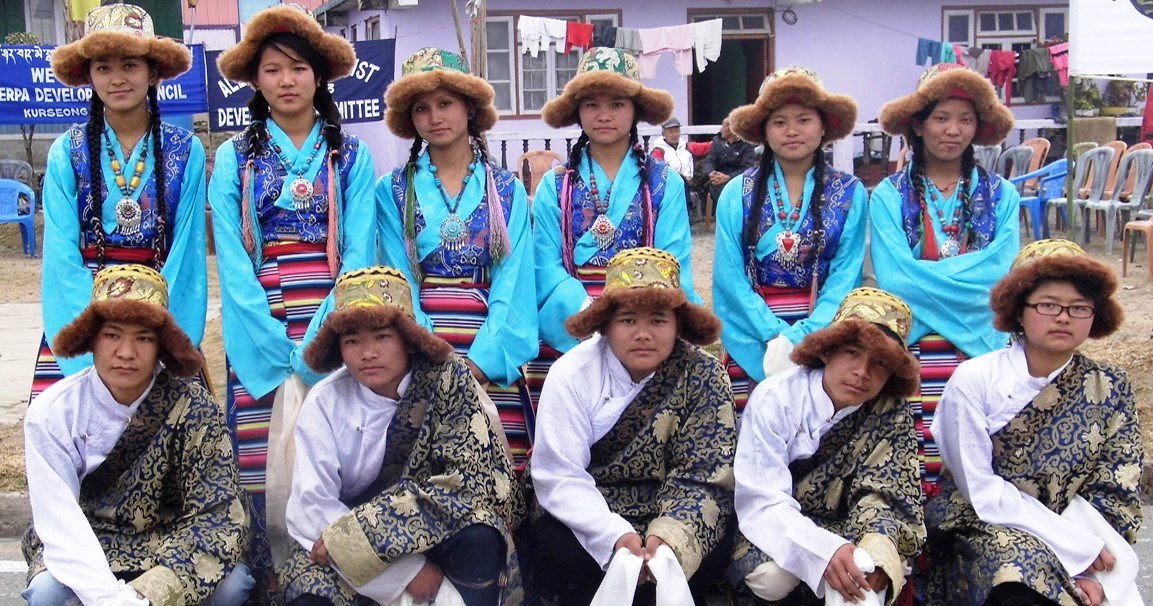
Most Sherpa follow the Nyingma school of Tibetan Buddhism, which blends Buddhist teachings with older shamanistic and Bon practices. They believe in sacred mountains and spirits inhabiting the land. Rituals, festivals, and monastery life are central, and each clan has its own protective deities. Art, music, and traditional dress are important in religious and social events.
The history of the Sherpa
Sherpa trace their origins to nomads who migrated from eastern Tibet to Nepal centuries ago, likely in the 13th or 14th century. They settled in the Khumbu and Solu regions, forming distinct clans. Over time, they gained autonomy in Nepal and adapted to new economic opportunities, especially after Khumbu became a national park and tourism increased. Sherpa have played a vital role in Himalayan mountaineering, including the first ascent of Everest in 1953.
Sherpa life today
Today, Sherpa communities remain concentrated in Nepal but are also found in India, China, and Bhutan. Many continue traditional farming and herding, but tourism and mountaineering are major sources of income. Sherpa face challenges from environmental change, tourism pressures, and risks in mountaineering, but their culture and language remain strong. They continue to advocate for their rights and the protection of their sacred lands.
Questions people ask about the Sherpa
Where do the Sherpa live?
Most Sherpa live in the high Himalayan regions of eastern Nepal, especially in Solukhumbu and nearby districts. There are also Sherpa communities in Sikkim and West Bengal in India, in Tibet (China), and in Bhutan.
How many Sherpa are there?
There are about 520,000 Sherpa, according to recent sources. The largest populations are in Nepal, with smaller communities in India, China (Tibet), and Bhutan.
What language do the Sherpa speak?
Sherpa speak the Sherpa language, which is part of the Tibeto-Burman family. It is distinct from Lhasa Tibetan and is not mutually intelligible with it. Many Sherpa also speak Nepali.
What religion do the Sherpa follow?
Most Sherpa follow the Nyingma school of Tibetan Buddhism, which is blended with older Bon and shamanistic traditions. Some Sherpa also practice Hinduism or Christianity.
Why are Sherpa famous in mountaineering?
Sherpa are known worldwide for their expertise as high-altitude guides and porters in the Himalayas, especially on Mount Everest. Their skills and adaptation to altitude have made them vital to many climbing expeditions.
Sources and further reading
- Sherpa people on WikipediaEncyclopedia
- Encyclopaedia BritannicaArticle
- More photos on Wikimedia CommonsPhotos
- Wikidata recordOpen data
This page was written with AI assistance from the sources above and checked automatically before publishing. It may contain mistakes, and it is no substitute for hearing from the Sherpa themselves. If something is wrong, tell us. Last refreshed 2026-10-02.
Neighbours in Nepal
All peoples of Nepal Rajput
🇮🇳 India and 2 morePatrilineal clans with a history of warriorhood in northern and western India
About 38 million
Rajput
🇮🇳 India and 2 morePatrilineal clans with a history of warriorhood in northern and western India
About 38 million
 SantalHor Hopon
🇮🇳 India and 3 moreA large Munda-speaking community of eastern India and neighboring countries
About 7.5 million, Austroasiatic (Munda subfamily)
SantalHor Hopon
🇮🇳 India and 3 moreA large Munda-speaking community of eastern India and neighboring countries
About 7.5 million, Austroasiatic (Munda subfamily)
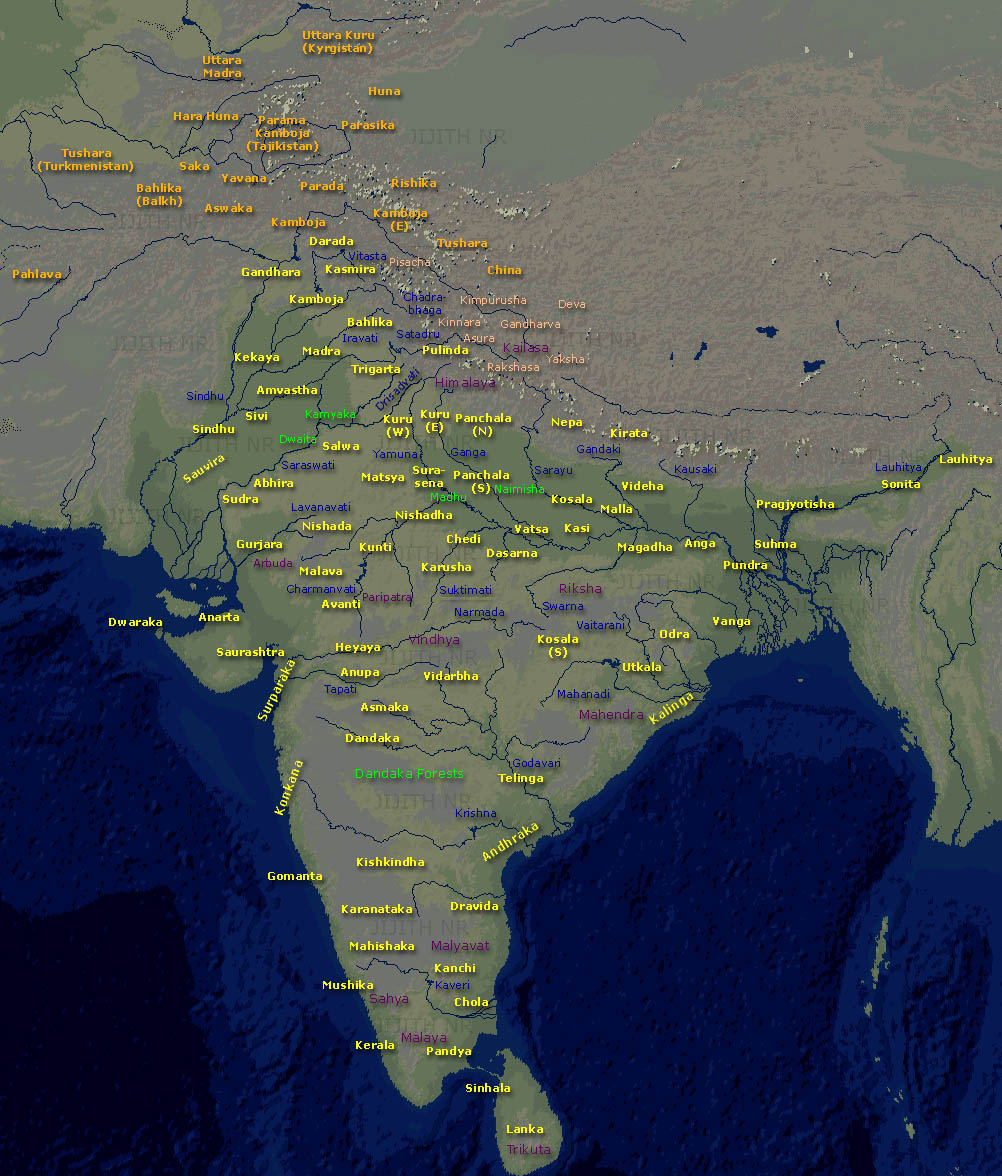 Kirata
🇮🇳 India and 1 moreMountain peoples of the Himalayas and Northeast India in ancient texts
Historical, Sino-Tibetan
Kirata
🇮🇳 India and 1 moreMountain peoples of the Himalayas and Northeast India in ancient texts
Historical, Sino-Tibetan
