
Sámi
They call themselves sámit
Indigenous reindeer herders and fishers of northern Fennoscandia and Russia
The Sámi are the indigenous people of Sápmi, a region spanning northern Norway, Sweden, Finland, and Russia's Kola Peninsula. Numbering an estimated 80,000, they are best known for reindeer herding, fishing, and a distinct branch of Uralic languages. Today, Sámi communities maintain their traditions while facing ongoing pressures to preserve their language and rights.
Who are the Sámi?
The Sámi are the indigenous people of Sápmi, a vast region stretching across northern Norway, Sweden, Finland, and Russia’s Kola Peninsula. They are held together by shared languages, traditions, and a deep connection to the land. Sámi identity is shaped by reindeer herding, fishing, and crafts, as well as a history of adaptation to the harsh Arctic and subarctic environment. Their communities are diverse, with various dialects and local customs, but all Sámi share a strong sense of belonging to Sápmi and a commitment to preserving their culture and rights.
Where do the Sámi live?
The Sámi homeland, Sápmi, covers the northernmost parts of Norway, Sweden, and Finland, and extends into the Kola Peninsula of Russia. This region is characterized by tundra, forests, mountains, and thousands of lakes and rivers. The landscape supports reindeer grazing, fishing, and foraging, and has shaped Sámi ways of life for generations. The climate is cold and the daylight varies greatly with the seasons, influencing traditional activities and settlement patterns.
What language do the Sámi speak?
Sámi languages form a branch of the Uralic family, with several distinct languages such as Northern Sámi, Southern Sámi, and others. These languages are central to Sámi identity, but many are endangered due to pressures from dominant national languages. Sámi languages are used in cultural institutions and media, but their everyday use varies across regions. Efforts to revitalize and teach Sámi languages continue in schools and communities.
How do the Sámi live?
Traditionally, Sámi livelihoods include reindeer herding, coastal and inland fishing, fur trapping, and crafts. Reindeer herding is the most recognized, providing meat, fur, and transport, and remains legally reserved for Sámi in some areas. Only a minority are full-time herders today. Fishing and gathering wild foods are also important, as are making handicrafts like duodji (traditional crafts). Modern Sámi may also work in towns or other sectors.
How is Sámi society organised?
Sámi society is organized around extended families and siida, a traditional community structure for cooperation in herding and resource use. Descent and identity are passed through families, and marriage patterns have traditionally linked different Sámi groups. Decision-making often involves consensus within the community. Sámi parliaments and organizations now represent their interests at national and regional levels.


What do the Sámi believe?
Sámi beliefs historically centered on shamanism, with a deep respect for nature and spirits. Rituals, joik (a traditional form of singing), and symbolic art are important cultural expressions. With Christianization, many Sámi adopted Lutheranism (including Laestadianism) or Eastern Orthodoxy, but elements of older beliefs persist. Traditional dress, such as the gákti, and handicrafts remain visible markers of Sámi culture.
The history of the Sámi
The Sámi have lived in northern Fennoscandia since at least the Bronze Age or early Iron Age. Their languages and culture developed as they migrated and interacted with other groups. For centuries, they had limited contact with Scandinavian peoples, but from the 19th century, assimilation policies in Norway, Sweden, and Finland suppressed Sámi language and culture, especially in schools. Colonization and settlement by non-Sámi led to loss of land and traditional livelihoods. Despite these pressures, Sámi communities have maintained their identity and continue to seek recognition and rights.
Sámi life today
Today, the Sámi number around 80,000, with most living in Norway, Sweden, Finland, and Russia. They face challenges such as language loss, land rights disputes, and cultural assimilation. Sámi parliaments and organizations work to protect their rights and promote cultural revival. Reindeer herding, crafts, and language revitalization remain important, as Sámi communities balance tradition with modern life.
Questions people ask about the Sámi
Where do the Sámi live?
The Sámi live in Norway, Finland, Sweden and Russia, in the Sápmi, across northern Norway, Sweden, Finland, and the Kola Peninsula.
How many Sámi people are there?
Our sources give the Sámi population as Estimated 80,000. Counts of peoples vary with who is counted and when.
What language do the Sámi speak?
The Sámi speak Sámi languages (Northern Sámi, Southern Sámi, Lule Sámi, Pite Sámi, Inari Sámi, Skolt Sámi, Kildin Sámi, and others), which belongs to the Uralic family of languages.
How do the Sámi make a living?
The Sámi are known for herding, fishing and the sea, hunting and gathering and craft and trade. Like most peoples, they combine several ways of making a living, and these have changed over time.
Sources and further reading
- Sámi people on WikipediaEncyclopedia
- Encyclopaedia BritannicaArticle
- More photos on Wikimedia CommonsPhotos
- Wikidata recordOpen data
This page was written with AI assistance from the sources above and checked automatically before publishing. It may contain mistakes, and it is no substitute for hearing from the Sámi themselves. If something is wrong, tell us. Last refreshed 2026-10-02.
Neighbours in Norway
All peoples of Norway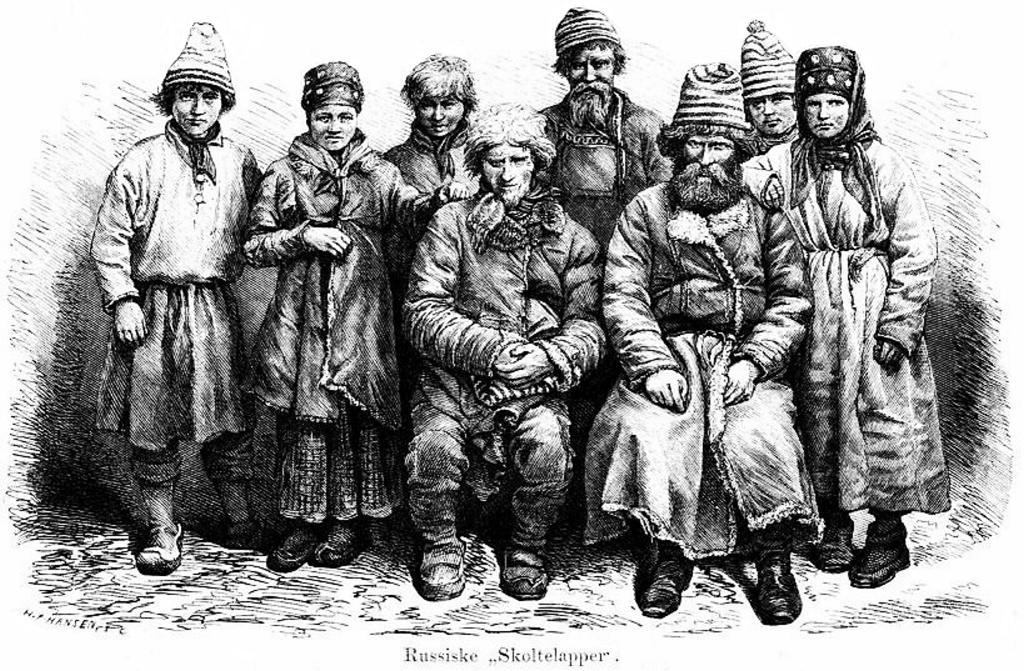 SkoltsSäʹmmla / Nuõrttsääʹm
🇫🇮 Finland and 2 moreIndigenous Sámi of the borderlands of Finland, Russia, and Norway
About 1,000, Uralic
Kvenkvääni / kainu
🇳🇴 NorwayA Balto-Finnic minority rooted in northern Norway’s fjords and valleys
About 15,000, Balto-Finnic
SkoltsSäʹmmla / Nuõrttsääʹm
🇫🇮 Finland and 2 moreIndigenous Sámi of the borderlands of Finland, Russia, and Norway
About 1,000, Uralic
Kvenkvääni / kainu
🇳🇴 NorwayA Balto-Finnic minority rooted in northern Norway’s fjords and valleys
About 15,000, Balto-Finnic
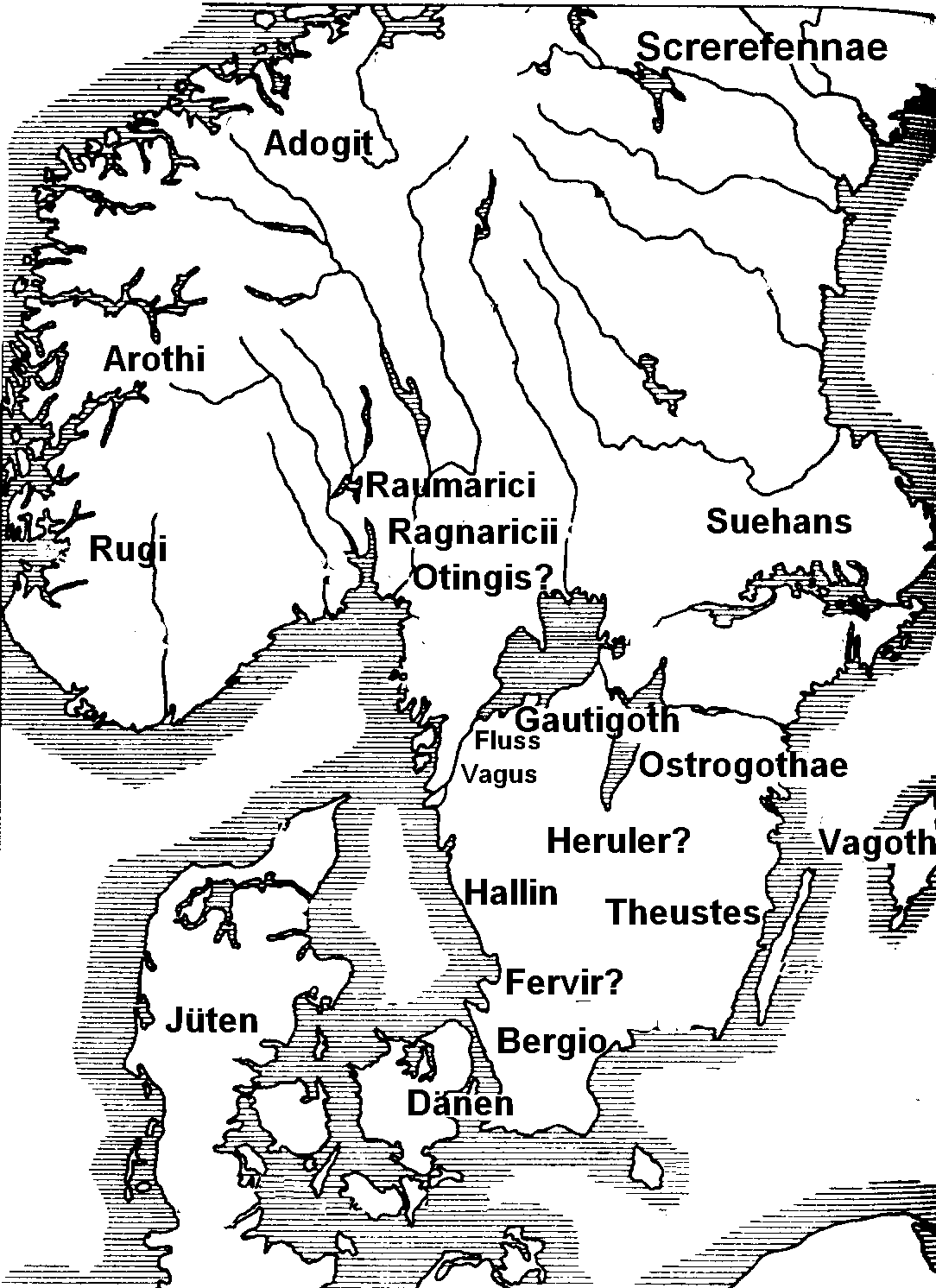 Danes
🇸🇪 Sweden and 6 moreNorth Germanic tribe who founded Denmark and shaped the Viking Age
Historical, North Germanic
Danes
🇸🇪 Sweden and 6 moreNorth Germanic tribe who founded Denmark and shaped the Viking Age
Historical, North Germanic
 Lule Sámijulevsáme
🇸🇪 Sweden and 1 moreSámi group of northern Sweden and Norway, named for the Lule River
Lule Sámijulevsáme
🇸🇪 Sweden and 1 moreSámi group of northern Sweden and Norway, named for the Lule River
Other Uralic speakers
See them all Mariмари / Марий-влак
🇷🇺 Russia and 5 moreFinno-Ugric people of the Volga and Kama rivers, Russia
About 600,000, Uralic
Mariмари / Марий-влак
🇷🇺 Russia and 5 moreFinno-Ugric people of the Volga and Kama rivers, Russia
About 600,000, Uralic
 UdmurtsУдмуртъёс
🇷🇺 Russia and 2 moreFinno-Ugric people of Udmurtia and the Volga-Ural region
About 396,000, Uralic
UdmurtsУдмуртъёс
🇷🇺 Russia and 2 moreFinno-Ugric people of Udmurtia and the Volga-Ural region
About 396,000, Uralic
 Karelianskarjalaižet
🇷🇺 Russia and 7 moreIndigenous Finnic people of Karelia, now in Russia and Finland
About 43,000, Uralic
Karelianskarjalaižet
🇷🇺 Russia and 7 moreIndigenous Finnic people of Karelia, now in Russia and Finland
About 43,000, Uralic