
Khamseh
A confederation of five partly nomadic tribes in southwestern Iran
The Khamseh are a tribal confederation in Fars province, southwestern Iran, formed in the 1860s. They unite five tribes—Persian-speaking Basseri, Arabic-speaking Arabs, and Azerbaijani-speaking Turks (Inallu, Baharlu, Nafar)—and are known for their nomadic traditions and mixed heritage.
- Formed from five tribes: Basseri, Inallu, Baharlu, Nafar, and Arab
- Speak Persian, Arabic, and Azerbaijani Turkish
- Known for distinctive rug weaving
- Created as a confederation in the 1860s by royal decree
- Live mainly in Fars province, Iran
Who are the Khamseh?
The Khamseh are a confederation of five tribes in southwestern Iran, mainly in Fars province. Their name means 'the five,' reflecting the union of the Basseri, Inallu, Baharlu, Nafar, and Arab tribes. The Khamseh include Persian, Arabic, and Azerbaijani Turkish speakers. They share a partly nomadic way of life and a history of being brought together under one leadership. Their identity is shaped by both their tribal roots and the confederation formed in the 19th century.
Where do the Khamseh live?
The Khamseh live mainly in Fars province, a region of mountains, plains, and steppe in southwestern Iran. Some groups also move into neighboring Kerman and Hormozgan provinces. The land supports herding and seasonal migration, with tribes moving between summer and winter pastures. This landscape has shaped their livelihoods and patterns of movement.
What language do the Khamseh speak?
Members of the Khamseh confederation speak several languages. The Basseri speak Persian, the Arab tribe speaks Arabic, and the Inallu, Baharlu, and Nafar speak Azerbaijani Turkish. This linguistic diversity reflects the mixed origins of the confederation. Language is an important marker of tribal identity within the Khamseh.
How do the Khamseh live?
The Khamseh have a partly nomadic lifestyle, traditionally based on herding livestock such as sheep and goats. Their seasonal migrations follow the availability of pasture. Many live in tents and use pack animals for transport. The Khamseh are also known for weaving, including rugs with distinctive designs. Their material culture reflects adaptation to a mobile life in a semi-arid environment.
How is Khamseh society organised?
The Khamseh confederation brings together five distinct tribes, each with its own language and customs. Tribal leadership and decision-making are important, with authority often held by chiefs or elders. The confederation was historically led by the Qavam ol-Molk family. Kinship, descent, and marriage patterns vary between the tribes, but all maintain strong ties to their tribal identities.
What do the Khamseh believe?
The Khamseh follow Islam, with both Shia and Sunni traditions present among the tribes. Religious practices and rituals are shaped by both Islamic beliefs and local customs. The Khamseh are also known for their weaving, especially rugs with unique patterns, which play a role in both daily life and cultural expression.
The history of the Khamseh
The Khamseh confederation was created in 1861–1862 by Naser al-Din Shah Qajar, who united five nomadic tribes under one administration to counterbalance the power of the neighboring Qashqai. The confederation included Persian, Turkish, and Arab tribes, reflecting the region's diversity. The Khamseh were placed under the control of the Qavam ol-Molk family. This unification was part of a broader pattern of state efforts to manage and control nomadic groups in Iran.
Khamseh life today
The Khamseh continue to live in Fars and nearby provinces, though many have become less nomadic over time. They maintain aspects of their tribal identities, languages, and traditions. The pressures of modernization and changes in land use have affected their way of life, but weaving and herding remain important. The Khamseh are recognized for their cultural diversity and history in Iran.
Questions people ask about the Khamseh
Where do the Khamseh live?
The Khamseh live mainly in Fars province in southwestern Iran, with some groups in Kerman and Hormozgan provinces.
How many people are in the Khamseh confederation?
The sources do not give a specific population figure for the Khamseh confederation.
What languages do the Khamseh speak?
The Khamseh speak Persian, Arabic, and Azerbaijani Turkish, depending on the tribe.
What is the origin of the Khamseh confederation?
The Khamseh confederation was formed in 1861–1862 by uniting five nomadic tribes under one leadership.
What are the Khamseh known for?
The Khamseh are known for their partly nomadic lifestyle, tribal diversity, and distinctive woven rugs.
Sources and further reading
This page was written with AI assistance from the sources above and checked automatically before publishing. It may contain mistakes, and it is no substitute for hearing from the Khamseh themselves. If something is wrong, tell us. Last refreshed 2026-10-02.
Neighbours in Iran
All peoples of Iran Magi
🇮🇷 Iran and 1 morePriestly caste of Zoroastrianism with ancient roots in Iran
Magi
🇮🇷 Iran and 1 morePriestly caste of Zoroastrianism with ancient roots in Iran
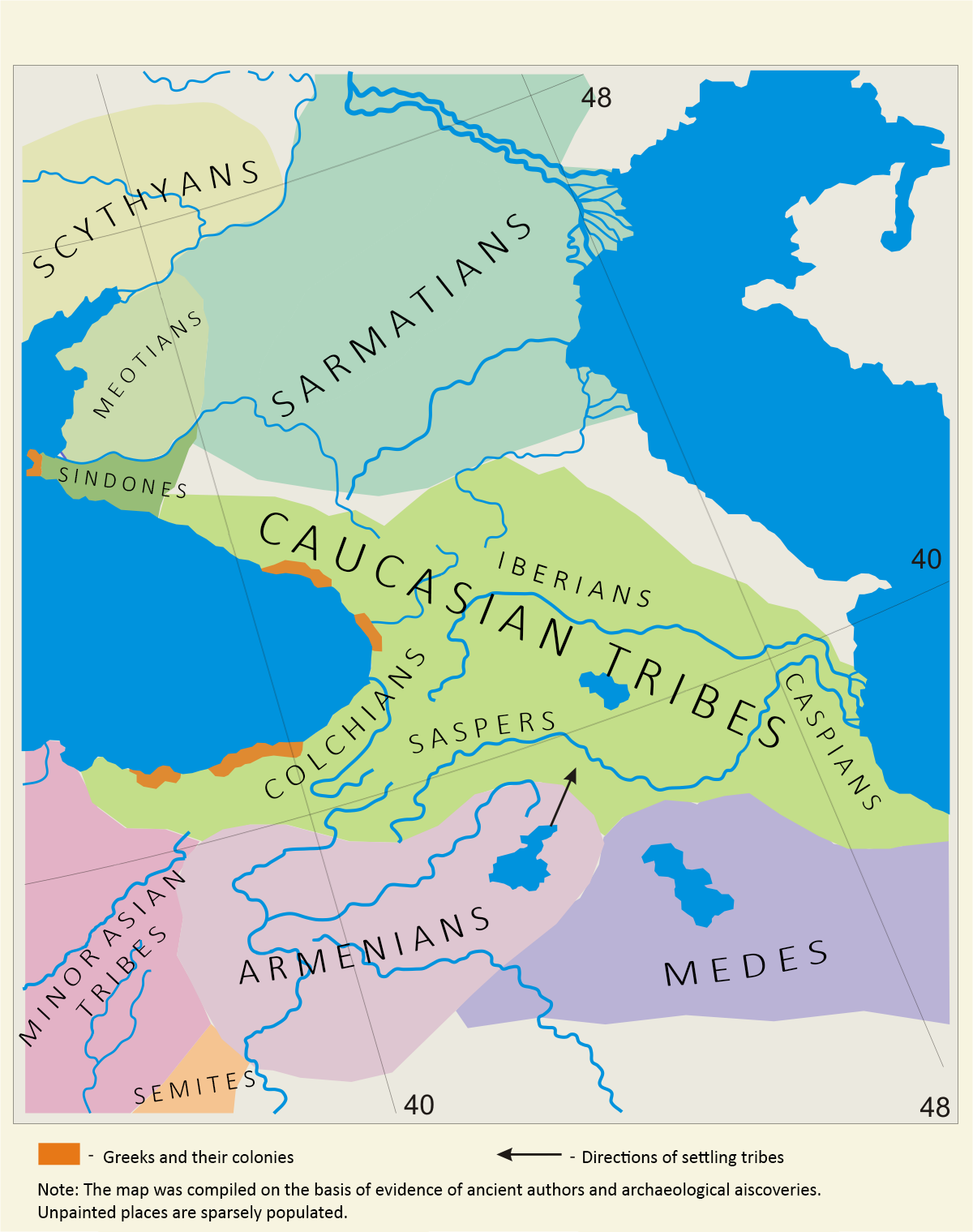 Caspians
🇦🇿 Azerbaijan and 1 moreAncient people of the southwestern Caspian Sea region
Historical
Caspians
🇦🇿 Azerbaijan and 1 moreAncient people of the southwestern Caspian Sea region
Historical
 Alchon Huns
🇮🇳 India and 3 moreNomadic conquerors of Central Asia and northern India in late antiquity
Historical
Alchon Huns
🇮🇳 India and 3 moreNomadic conquerors of Central Asia and northern India in late antiquity
Historical
 Al Qasimi
🇦🇪 United Arab Emirates and 3 moreArab tribe and dynasty ruling Sharjah and Ras Al Khaimah in the UAE
Al Qasimi
🇦🇪 United Arab Emirates and 3 moreArab tribe and dynasty ruling Sharjah and Ras Al Khaimah in the UAE