
Arapaho
They call themselves Hinono'eino
Plains Algonquian people now in Wyoming and Oklahoma
The Arapaho are a Native American people whose homeland was the plains of Colorado and Wyoming. Today, most Northern Arapaho live on the Wind River Reservation in Wyoming, while Southern Arapaho live with the Cheyenne in Oklahoma. They speak Arapaho, an Algonquian language, though English is now common. They are known for their alliance with the Cheyenne and their efforts to revitalize their language.
- Most Northern Arapaho live on the Wind River Reservation in Wyoming
- Southern Arapaho live with the Cheyenne in Oklahoma
- Arapaho is an Algonquian language with few fluent speakers left
- They were close allies of the Cheyenne
- Known for quillwork and traditional ceremonies
Who are the Arapaho?
The Arapaho are a Native American people originally from the plains of Colorado and Wyoming. They are united by shared language, customs, and a long history of alliances, especially with the Cheyenne. Traditionally, the Arapaho organized themselves into bands and divisions, each with its own dialect and leadership. Today, the Arapaho are divided into Northern and Southern groups, each with its own federally recognized status and reservation lands. Their identity is maintained through language, ceremonies, and community ties.
Where do the Arapaho live?
The traditional homeland of the Arapaho covered the open plains of Colorado and Wyoming, extending into parts of Montana, Nebraska, and Kansas. This landscape is characterized by grasslands, river valleys, and wide skies, supporting bison herds and other game. Today, most Northern Arapaho live on the Wind River Reservation in Wyoming, while Southern Arapaho reside in Oklahoma. The land remains central to their identity, even as their territory has changed.
What language do the Arapaho speak?
Arapaho is an Algonquian language with two main dialects: Northern and Southern. The number of fluent speakers has declined, with most Northern Arapaho speakers living on the Wind River Reservation. Efforts to revitalize the language include immersion schools and cultural programs. Southern Arapaho is spoken by only a few elders, but there are new online courses and growing interest in language learning.
How do the Arapaho live?
Historically, the Arapaho were foragers and hunters, relying on bison and other plains animals. Before horses, they used dogs to pull travois for carrying goods. After acquiring horses, they became more mobile and expanded their hunting and trading activities. In earlier times, they also practiced farming in the Great Lakes region. Today, many Arapaho work in various jobs on and off reservations, but traditional crafts and foodways are still valued.
How is Arapaho society organised?
Arapaho society was organized into bands and divisions, each with its own leaders and dialect. Family and kinship ties are important, and traditional leadership included headmen and councils. Marriage and descent were central to social organization. Decision-making often involved consensus among elders and leaders. The Arapaho maintain ceremonies and social structures that reflect their history and values.



What do the Arapaho believe?
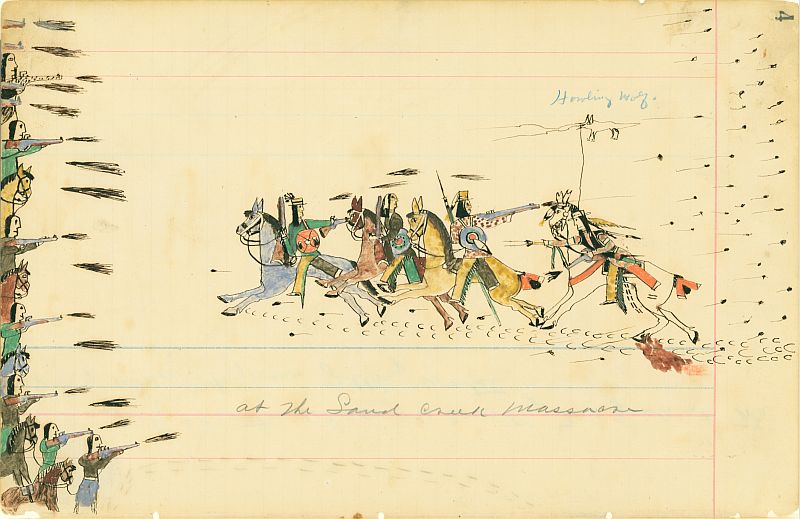
The Arapaho practice a mix of traditional religions, Christianity, and Peyotism. Ceremonies, rituals, and oral traditions remain important, including the use of sacred objects like the pipe and lance. Art forms such as quillwork are highly valued. Music, dance, and storytelling play a role in maintaining cultural identity. Dress and regalia are used in ceremonies and community gatherings.
The history of the Arapaho
The ancestors of the Arapaho lived in the western Great Lakes region about 3,000 years ago, practicing agriculture. Forced west by other tribes and European colonization, they moved onto the Great Plains, where they became nomadic hunters and formed alliances with the Cheyenne and others. The Arapaho split into Northern and Southern groups in the 19th century. After conflicts with the U.S. government, they were relocated to reservations in Wyoming and Oklahoma.
Arapaho life today
Today, the Arapaho are federally recognized and live mainly in Wyoming and Oklahoma. The Northern Arapaho share the Wind River Reservation with the Eastern Shoshone, while the Southern Arapaho are enrolled with the Cheyenne in Oklahoma. The community works to preserve its language and traditions, facing challenges such as language loss and pressures from outside society. Revitalization efforts and cultural pride remain strong.
Questions people ask about the Arapaho
Where do the Arapaho live today?
Most Northern Arapaho live on the Wind River Reservation in Wyoming, while Southern Arapaho live with the Cheyenne in Oklahoma.
How many Arapaho are there?
There were 10,861 Arapaho recorded in the 2010 census.
What language do the Arapaho speak?
The Arapaho speak the Arapaho language, which is Algonquian, as well as English. Only a small number are fluent speakers today.
What are the main beliefs of the Arapaho?
The Arapaho practice traditional religions, Christianity, and Peyotism. Ceremonies and sacred objects remain important.
What are the Arapaho best known for?
They are known for their alliance with the Cheyenne, their history on the plains, and their efforts to revitalize their language and traditions.
Sources and further reading
This page was written with AI assistance from the sources above and checked automatically before publishing. It may contain mistakes, and it is no substitute for hearing from the Arapaho themselves. If something is wrong, tell us. Last refreshed 2026-10-02.
Neighbours in the United States
All peoples of the United States ShawneeŠaawanooaki
🇺🇸 United StatesAlgonquian-speaking people now based in Oklahoma, once of the Ohio Valley
About 8,000, Algonquian
ShawneeŠaawanooaki
🇺🇸 United StatesAlgonquian-speaking people now based in Oklahoma, once of the Ohio Valley
About 8,000, Algonquian
 PotawatomiBodéwadmi
🇺🇸 United States and 1 moreKeepers of the fire in the Great Lakes and Plains, with many recognized bands today
About 43,000, Algonquian
PotawatomiBodéwadmi
🇺🇸 United States and 1 moreKeepers of the fire in the Great Lakes and Plains, with many recognized bands today
About 43,000, Algonquian
 Narragansett
🇺🇸 United StatesIndigenous people of Rhode Island, known for their ties to Narragansett Bay
About 3,000, Algonquian
Narragansett
🇺🇸 United StatesIndigenous people of Rhode Island, known for their ties to Narragansett Bay
About 3,000, Algonquian
 MenomineeMamaceqtaw
🇺🇸 United StatesA Native nation rooted in Wisconsin, known for wild rice and forest stewardship
About 9,000, Algonquian
MenomineeMamaceqtaw
🇺🇸 United StatesA Native nation rooted in Wisconsin, known for wild rice and forest stewardship
About 9,000, Algonquian
Other Algonquian speakers
See them all Pequot
🇺🇸 United StatesNative people of Connecticut, known for survival and revival after near-destruction
About 2,000, Algonquian
Pequot
🇺🇸 United StatesNative people of Connecticut, known for survival and revival after near-destruction
About 2,000, Algonquian
 PassamaquoddyPeskotomuhkati
🇺🇸 United States and 1 moreNative people of Maine and New Brunswick, known for fishing and the Wabanaki Confederacy
About 4,000, Algonquian
PassamaquoddyPeskotomuhkati
🇺🇸 United States and 1 moreNative people of Maine and New Brunswick, known for fishing and the Wabanaki Confederacy
About 4,000, Algonquian
 Piegan BlackfeetPiikáni
🇺🇸 United States and 1 moreLargest group of the Blackfeet Confederacy in Montana and Alberta
About 105,000, Algonquian
Piegan BlackfeetPiikáni
🇺🇸 United States and 1 moreLargest group of the Blackfeet Confederacy in Montana and Alberta
About 105,000, Algonquian
 PenobscotPαnawάhpskewi
🇺🇸 United StatesWabanaki people of Maine, living along the Penobscot River
About 2,000, Algonquian
PenobscotPαnawάhpskewi
🇺🇸 United StatesWabanaki people of Maine, living along the Penobscot River
About 2,000, Algonquian