
Udmurts
They call themselves Удмуртъёс
Finno-Ugric people of Udmurtia and the Volga-Ural region
The Udmurts are a Finno-Ugric people mainly living in the republic of Udmurtia in Russia, with smaller groups in Kazakhstan and Ukraine. They speak the Udmurt language and Russian, and are known for their distinct traditions, music, and the annual festival celebrating red-haired Udmurts.
- Most Udmurts live in the republic of Udmurtia in Russia.
- The Udmurt language is part of the Uralic family.
- Red hair is common, and there is a festival for red-haired Udmurts.
- Their national epic is called Dorvyzhy.
- Traditional music features the krez zither and chipchirghan pipe.
Who are the Udmurts?
The Udmurts are a Finno-Ugric ethnic group whose roots lie in the forests and meadows of eastern Europe. Their identity is shaped by the Udmurt language, shared traditions, and a sense of belonging to Udmurtia and neighboring regions. Though many now live in towns, traces of their former clan-based society remain in cultural practices and collective memory. The Udmurts are closely related to the Komis and other Permian peoples, and their folklore, music, and epic poetry continue to play a role in community life.
Where do the Udmurts live?
Udmurtia, their main homeland, lies in the Volga-Ural region of Russia. It is a land of rivers, forests, and meadows, which once supported semi-nomadic communities living along the waterways. Today, most Udmurts live in towns and cities within Udmurtia, but smaller groups are also found in neighboring Russian regions such as Kirov Oblast, Perm Krai, Bashkortostan, Tatarstan, and Mari El, as well as in Kazakhstan and Ukraine.
What language do the Udmurts speak?
Udmurt is part of the Uralic language family and is closely related to Komi. It is still spoken by many Udmurts, though Russian is also widely used. The decline in population and urban migration have put pressure on the language, but it remains a key marker of identity, and efforts to preserve and teach it continue.
How do the Udmurts live?
Traditionally, Udmurts were semi-nomadic forest dwellers who lived in riverside communities and relied on farming and the natural resources of their land. Today, most Udmurts live in urban areas and work in various jobs, but some rural communities still practice agriculture. Their traditional crafts, musical instruments like the krez zither and chipchirghan pipe, and folk tales remain important cultural expressions.
How is Udmurts society organised?
The Udmurt social structure was once based on clans, but this system no longer exists as it did in the past. However, its influence is still felt in cultural life and social relationships. Family ties, community gatherings, and shared rituals help maintain a sense of unity. Marriage and kinship practices have adapted over time, especially as more Udmurts move to towns.


What do the Udmurts believe?
Most Udmurts today follow Eastern Orthodoxy, but traditional beliefs and Udmurt mythology remain important for some. Rituals, folk tales, and music are central to their culture. The national epic Dorvyzhy, as well as festivals like the annual celebration of red-haired Udmurts, reflect a lively tradition of storytelling and communal art. Dress and music, including unique instruments, are also valued.
The history of the Udmurts
The Udmurts have long lived in the Volga-Ural region. Their name means 'meadow people', and they were once known by various exonyms, some now considered offensive. Under the Russian Empire, they were called Wotyaks or Votyaks. Their population has declined over the last century, and their clan-based society has changed with urbanization. Udmurt culture has been described in historical works since at least the 18th century, and their folklore and rituals have drawn scholarly attention.
Udmurts life today
Today, the Udmurt population is shrinking, with about 396,000 people in 2021, most in Russia. Udmurts make up about a quarter of Udmurtia's population. Many live in towns, and Russian is widely spoken. There are ongoing efforts to preserve the Udmurt language and traditions, but pressures from migration and assimilation remain strong. Festivals and cultural projects help keep Udmurt identity alive.
Questions people ask about the Udmurts
Where do the Udmurts live?
Most Udmurts live in the republic of Udmurtia in Russia, with smaller groups in neighboring Russian regions, Kazakhstan, and Ukraine.
How many Udmurts are there?
There are about 396,000 Udmurts as of 2021, with the majority living in Russia.
What language do the Udmurts speak?
Udmurts speak the Udmurt language, which belongs to the Uralic family, and many also speak Russian.
What are the main Udmurt traditions?
Udmurt traditions include folk tales, music with unique instruments, and festivals such as the celebration of red-haired Udmurts.
What religion do Udmurts follow?
Most Udmurts follow Eastern Orthodoxy, but some continue traditional Udmurt beliefs and rituals.
Sources and further reading
- Udmurts on WikipediaEncyclopedia
- Encyclopaedia BritannicaArticle
- More photos on Wikimedia CommonsPhotos
- Wikidata recordOpen data
This page was written with AI assistance from the sources above and checked automatically before publishing. It may contain mistakes, and it is no substitute for hearing from the Udmurts themselves. If something is wrong, tell us. Last refreshed 2026-10-02.
Neighbours in Russia
All peoples of Russia Sámisámit
🇳🇴 Norway and 3 moreIndigenous reindeer herders and fishers of northern Fennoscandia and Russia
About 80,000, Uralic
Sámisámit
🇳🇴 Norway and 3 moreIndigenous reindeer herders and fishers of northern Fennoscandia and Russia
About 80,000, Uralic
 Mariмари / Марий-влак
🇷🇺 Russia and 5 moreFinno-Ugric people of the Volga and Kama rivers, Russia
About 600,000, Uralic
Mariмари / Марий-влак
🇷🇺 Russia and 5 moreFinno-Ugric people of the Volga and Kama rivers, Russia
About 600,000, Uralic
 Karelianskarjalaižet
🇷🇺 Russia and 7 moreIndigenous Finnic people of Karelia, now in Russia and Finland
About 43,000, Uralic
Karelianskarjalaižet
🇷🇺 Russia and 7 moreIndigenous Finnic people of Karelia, now in Russia and Finland
About 43,000, Uralic
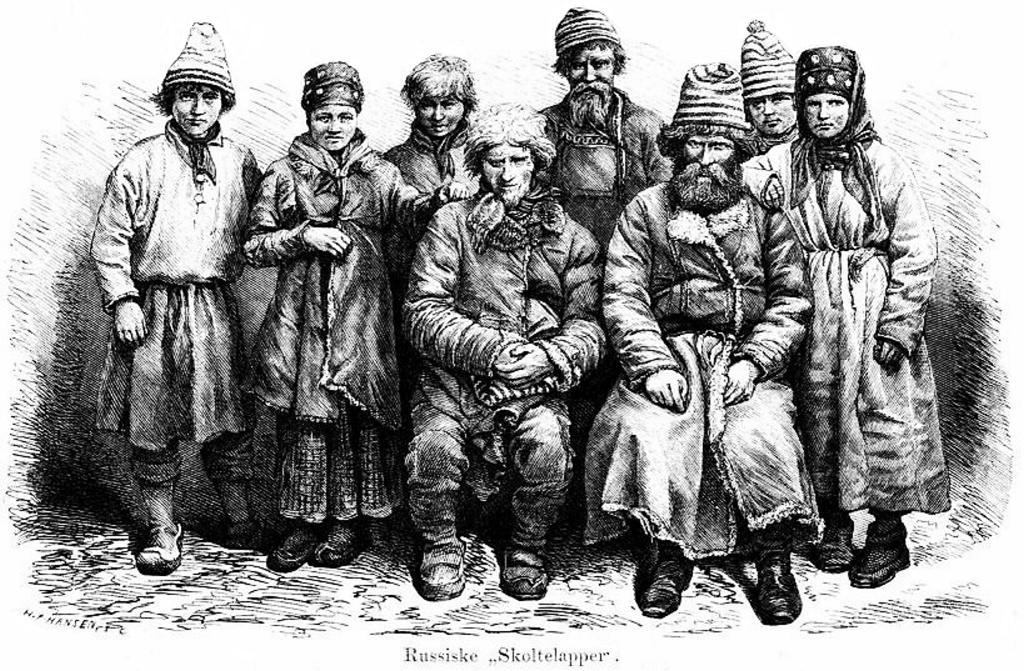 SkoltsSäʹmmla / Nuõrttsääʹm
🇫🇮 Finland and 2 moreIndigenous Sámi of the borderlands of Finland, Russia, and Norway
About 1,000, Uralic
SkoltsSäʹmmla / Nuõrttsääʹm
🇫🇮 Finland and 2 moreIndigenous Sámi of the borderlands of Finland, Russia, and Norway
About 1,000, Uralic