
Ngāti Awa
A Māori iwi of the eastern Bay of Plenty, New Zealand
Ngāti Awa is a Māori iwi (tribe) based in the eastern Bay of Plenty region of New Zealand, with about 15,258 people identifying as members in 2006. They are known for their deep ancestral ties to the Mātaatua canoe, a strong network of 22 hapū (subtribes), and a long history of resilience following major land confiscations in the 19th century.
Who are the Ngāti Awa?
Ngāti Awa is a Māori iwi, or tribe, whose people trace their ancestry to the Mātaatua waka (canoe) and the chief Awanuiarangi II. The iwi is made up of 22 hapū, or subtribes, each with its own marae (meeting place) and traditions. Their identity is shaped by shared ancestry, history, and the guardianship of their lands and waterways in the Bay of Plenty. The iwi maintains strong connections between its rural heartland and urban members in Auckland and Wellington, keeping their culture and community ties alive.
Where do the Ngāti Awa live?
Ngāti Awa's homeland lies in the eastern Bay of Plenty region of New Zealand, especially on the fertile Rangitaiki Plain. Key towns include Whakatāne, Kawerau, Edgecumbe, Te Teko, and Matatā. The iwi's ancestral mountain is Pūtauaki (Mount Edgecumbe), a significant landmark. Some hapū are also based on Mōtītī Island. The landscape includes river plains, coastal areas, and volcanic features, which have shaped the iwi's way of life and settlement patterns.
What language do the Ngāti Awa speak?
Ngāti Awa people speak Māori, the indigenous language of Aotearoa New Zealand. The iwi supports language revitalisation through local media, such as Sun FM, and cultural initiatives. While Māori is widely spoken and taught, English is also used in daily life. Efforts continue to strengthen the use of Māori within the iwi and across generations.
How do the Ngāti Awa live?
Traditionally, Ngāti Awa made their living through farming and fishing, using the fertile plains and abundant waterways of their region. Today, many iwi members also work in towns and cities, taking up wage employment and participating in a range of enterprises. Marae remain important as community centres, hosting gatherings, ceremonies, and cultural events. The iwi manages resources and assets gained through Treaty settlements, supporting economic and social development.
How is Ngāti Awa society organised?
Ngāti Awa society is organised around hapū, each with its own marae and leadership. Descent is traced through both male and female lines, connecting people to their ancestors and land. Decisions are made collectively, often through hui (meetings) at marae, where elders and representatives of each hapū play key roles. Marriage and kinship ties link the hapū, strengthening the wider iwi community. Urban hapū in Auckland and Wellington help maintain connections for members living away from the homeland.

What do the Ngāti Awa believe?
Ngāti Awa's beliefs are rooted in Māori traditions, with respect for ancestors, land, and waterways central to their worldview. Rituals and ceremonies are held at marae, and traditional arts, music, and oratory are important cultural expressions. The iwi values the preservation of its history and stories, which are passed down through generations. Dress and adornment reflect Māori customs, especially during formal occasions and celebrations.
The history of the Ngāti Awa
Ngāti Awa traces its origins to the Mātaatua canoe and the chief Awanuiarangi II. The iwi settled in the Bay of Plenty after migrating from Northland due to conflicts with other tribes. Throughout the 19th century, Ngāti Awa was involved in regional warfare, including the Musket Wars. In the 1860s, the British Crown confiscated over 1,000 km² of Ngāti Awa land during the New Zealand Wars, causing long-term hardship. After more than a century, the Waitangi Tribunal found the confiscations illegal, leading to a settlement in 2003 that included reparations and the return of key sites.
Ngāti Awa life today
Ngāti Awa is a vibrant iwi with thousands of members living in the Bay of Plenty and urban centres. The iwi is governed by Te Rūnanga o Ngāti Awa, which manages assets and represents the tribe in legal and resource matters. The 2003 settlement has supported cultural and economic revival. The iwi continues to face challenges but works to strengthen its language, traditions, and community ties.
Questions people ask about the Ngāti Awa
Where do the Ngāti Awa live?
The Ngāti Awa live in New Zealand, in the eastern Bay of Plenty, especially the Rangitaiki Plain.
How many Ngāti Awa people are there?
Our sources give the Ngāti Awa population as 15,258 (2006 census). Counts of peoples vary with who is counted and when.
What language do the Ngāti Awa speak?
The Ngāti Awa speak Māori, which belongs to the Austronesian family of languages.
How do the Ngāti Awa make a living?
The Ngāti Awa are known for settled farming, fishing and the sea and towns and wage work. Like most peoples, they combine several ways of making a living, and these have changed over time.
Sources and further reading
This page was written with AI assistance from the sources above and checked automatically before publishing. It may contain mistakes, and it is no substitute for hearing from the Ngāti Awa themselves. If something is wrong, tell us. Last refreshed 2026-10-02.
Neighbours in New Zealand
All peoples of New Zealand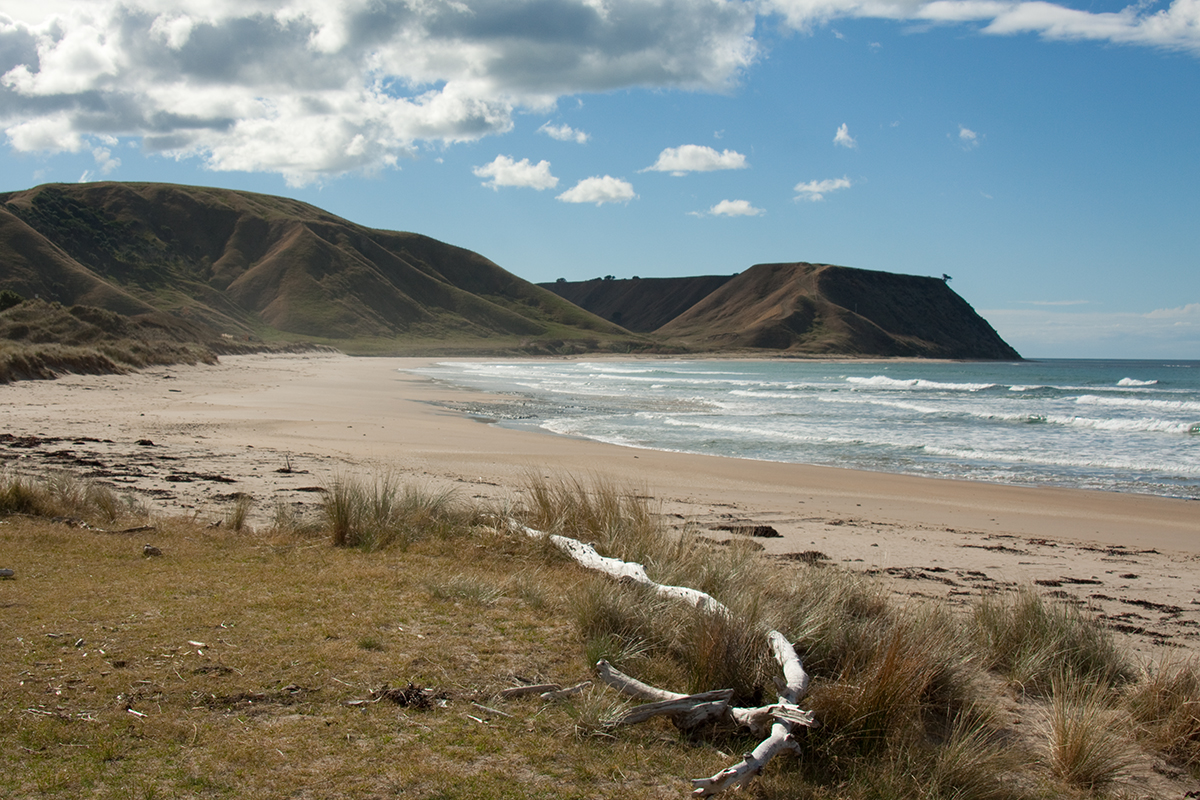 Ngāi Tahu
🇳🇿 New ZealandThe principal Māori iwi of New Zealand's South Island
About 85,000, Austronesian
Ngāi Tahu
🇳🇿 New ZealandThe principal Māori iwi of New Zealand's South Island
About 85,000, Austronesian
 Ngāpuhi
🇳🇿 New ZealandLargest Māori iwi of New Zealand's Northland region
About 184,000, Austronesian
Ngāpuhi
🇳🇿 New ZealandLargest Māori iwi of New Zealand's Northland region
About 184,000, Austronesian
 Ngāti Kahungunu
🇳🇿 New ZealandA major Māori iwi of New Zealand’s eastern North Island
About 82,000, Austronesian
Ngāti Kahungunu
🇳🇿 New ZealandA major Māori iwi of New Zealand’s eastern North Island
About 82,000, Austronesian
 Ngāti Porou
🇳🇿 New ZealandA large Māori iwi from the East Cape and Gisborne regions of New Zealand
About 102,000, Austronesian
Ngāti Porou
🇳🇿 New ZealandA large Māori iwi from the East Cape and Gisborne regions of New Zealand
About 102,000, Austronesian
Other Austronesian speakers
See them all MalaysOrang Melayu
🇲🇾 Malaysia and 4 moreAustronesian people of the Malay Peninsula, Sumatra, Borneo and nearby islands
About 30 million, Austronesian
MalaysOrang Melayu
🇲🇾 Malaysia and 4 moreAustronesian people of the Malay Peninsula, Sumatra, Borneo and nearby islands
About 30 million, Austronesian
 Minangkabaubangso Minangkabau
🇮🇩 Indonesia and 3 moreMatrilineal Muslim society from the highlands of West Sumatra
About 6.6 million, Austronesian
Minangkabaubangso Minangkabau
🇮🇩 Indonesia and 3 moreMatrilineal Muslim society from the highlands of West Sumatra
About 6.6 million, Austronesian
 Sundaneseᮅᮛᮀ ᮞᮥᮔ᮪ᮓ (Urang Sunda)
🇮🇩 Indonesia and 3 moreThe native people of western Java, Indonesia, known for their language and traditions
About 42 million, Austronesian
Sundaneseᮅᮛᮀ ᮞᮥᮔ᮪ᮓ (Urang Sunda)
🇮🇩 Indonesia and 3 moreThe native people of western Java, Indonesia, known for their language and traditions
About 42 million, Austronesian
 Balineseanak Bali
🇮🇩 IndonesiaHindu-majority people of Bali, known for art, dance, and water-temple farming
About 3.9 million, Austronesian
Balineseanak Bali
🇮🇩 IndonesiaHindu-majority people of Bali, known for art, dance, and water-temple farming
About 3.9 million, Austronesian