
Jicarilla Apache
They call themselves Jicarilla Dindéi
Seminomadic Apache people of northern New Mexico and southern Colorado
The Jicarilla Apache are a Southern Athabaskan-speaking people living mainly in northern New Mexico, with a population of about 2,755. Traditionally seminomadic, they are known for their farming, hunting, and distinctive pottery and basketry. Today, they live on a reservation and maintain cultural traditions alongside modern industries.
- Live mainly on a reservation in northern New Mexico
- Traditionally organized into Ollero and Llanero bands
- Known for pottery, basketry, and beadwork
- Speak Jicarilla (Southern Athabaskan) and English
- Population about 2,755
Who are the Jicarilla Apache?
The Jicarilla Apache are one of several autonomous bands of the Eastern Apache, now mainly living as the Jicarilla Apache Nation in New Mexico. Their identity is rooted in their language, kinship, and shared history. Traditionally, they organized into two bands: the Ollero (mountain people) and the Llanero (plains people). Their culture blends influences from neighboring Puebloan peoples and other Apache groups, and they are known for their strong sense of community and spiritual connection to their homeland.
Where do the Jicarilla Apache live?
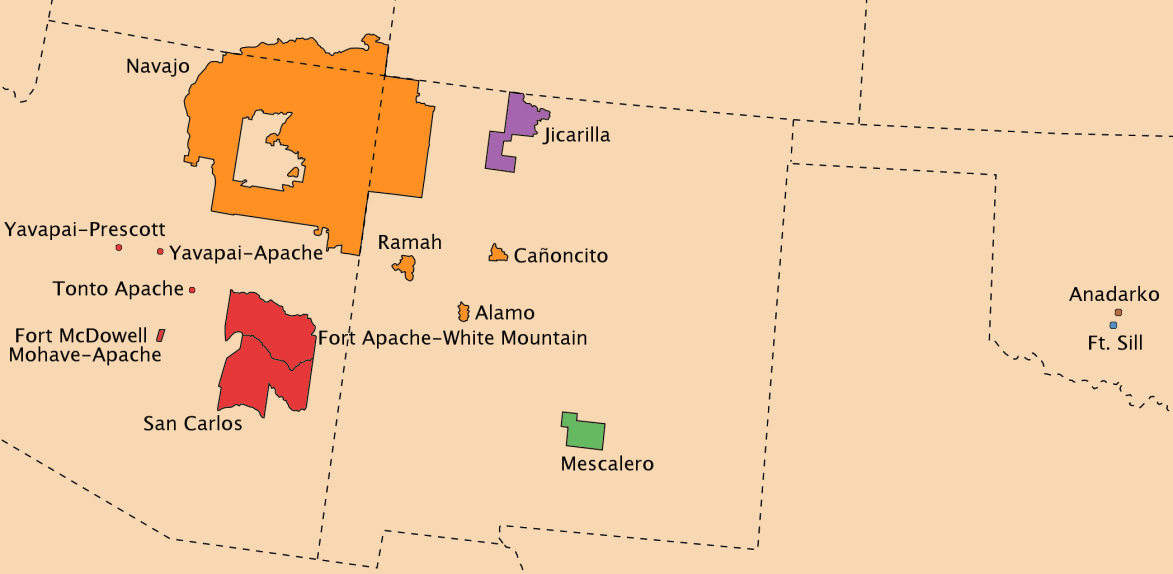
The Jicarilla homeland lies in the Sangre de Cristo Mountains and the plains of southern Colorado and northern New Mexico. Their traditional territory was bounded by four sacred rivers: the Rio Grande, Pecos, Arkansas, and Canadian. This land includes sacred mountains, rivers, and sites important for ceremonies and gathering resources. Today, most Jicarilla live on a reservation in northern New Mexico, where they continue to value and protect their ancestral lands.
What language do the Jicarilla Apache speak?
The Jicarilla speak a Southern Athabaskan language known as Jicarilla, alongside English. Their language connects them to other Apache groups. While English is widely spoken today, efforts to preserve and teach the Jicarilla language continue within the community.
How do the Jicarilla Apache live?
Traditionally, the Jicarilla were seminomadic, hunting, gathering, and practicing seasonal farming along rivers. They learned farming and pottery from Puebloan neighbors and hunted buffalo, deer, and other game. Women gathered wild foods and made baskets and pottery. Today, many Jicarilla work in industries such as oil, gas, forestry, casino gaming, ranching, and tourism on their reservation, while traditional crafts remain important.
How is Jicarilla Apache society organised?
Jicarilla society was organized into two main bands: the Ollero (mountain people) and the Llanero (plains people). Family and clan ties are central, and alliances with neighboring groups were common. They lived in tipis or Pueblo-like villages, depending on the band. Decision-making traditionally involved elders and respected leaders, with a strong emphasis on consensus and kinship.


What do the Jicarilla Apache believe?
Jicarilla beliefs center on a creation story involving emergence from the underworld, guided by the deity Hascin. Sacred places, rivers, and mountains are important in their spirituality. Rituals, stories, and ceremonies connect them to their land and ancestors. Art forms such as pottery, basketry, and beadwork are highly valued, and today, Christianity and the Native American Church are also present.
The history of the Jicarilla Apache
The Jicarilla migrated from Canada by the early 1500s and settled in northern New Mexico and southern Colorado. They learned farming from Pueblo peoples and adapted to life on the plains and in the mountains. From the 1700s onward, they faced encroachment by Spanish, Comanche, and later American settlers, leading to loss of land, forced relocation, and disease. In 1887, they received a reservation, later expanded for ranching and agriculture. Over time, they adapted to new economic opportunities while maintaining cultural traditions.
Jicarilla Apache life today
Today, the Jicarilla Apache number about 2,755 and live mainly on a reservation in northern New Mexico. They are involved in various industries and continue to practice traditional crafts. The community works to preserve its language and culture, despite historical pressures and challenges. Their land and traditions remain central to their identity.
Questions people ask about the Jicarilla Apache
Where do the Jicarilla Apache live?
The Jicarilla Apache mainly live on a reservation in northern New Mexico, in the United States. Their traditional homeland includes the Sangre de Cristo Mountains and the plains of southern Colorado and northern New Mexico.
How many Jicarilla Apache are there?
There are about 2,755 Jicarilla Apache, according to recent figures.
What language do the Jicarilla Apache speak?
The Jicarilla Apache speak the Jicarilla language, which is part of the Southern Athabaskan family, as well as English.
What are the Jicarilla Apache known for?
They are known for their pottery, basketry, beadwork, and a history of farming, hunting, and gathering. Today, they are also involved in modern industries on their reservation.
What are the main beliefs of the Jicarilla Apache?
Their beliefs include a creation story about emergence from the underworld, reverence for sacred land, and traditional ceremonies. Christianity and the Native American Church are also present in the community.
Sources and further reading
This page was written with AI assistance from the sources above and checked automatically before publishing. It may contain mistakes, and it is no substitute for hearing from the Jicarilla Apache themselves. If something is wrong, tell us. Last refreshed 2026-10-02.
Neighbours in the United States
All peoples of the United States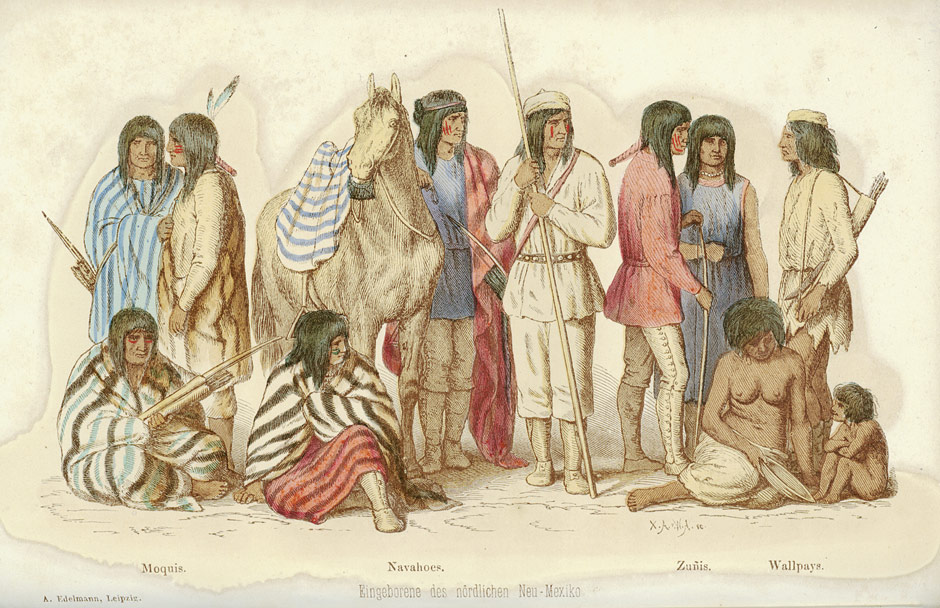 NavajoDiné
🇺🇸 United States and 1 moreLargest Native nation in the US Southwest, known for weaving and resilience
About 399,000, Southern Athabaskan
NavajoDiné
🇺🇸 United States and 1 moreLargest Native nation in the US Southwest, known for weaving and resilience
About 399,000, Southern Athabaskan
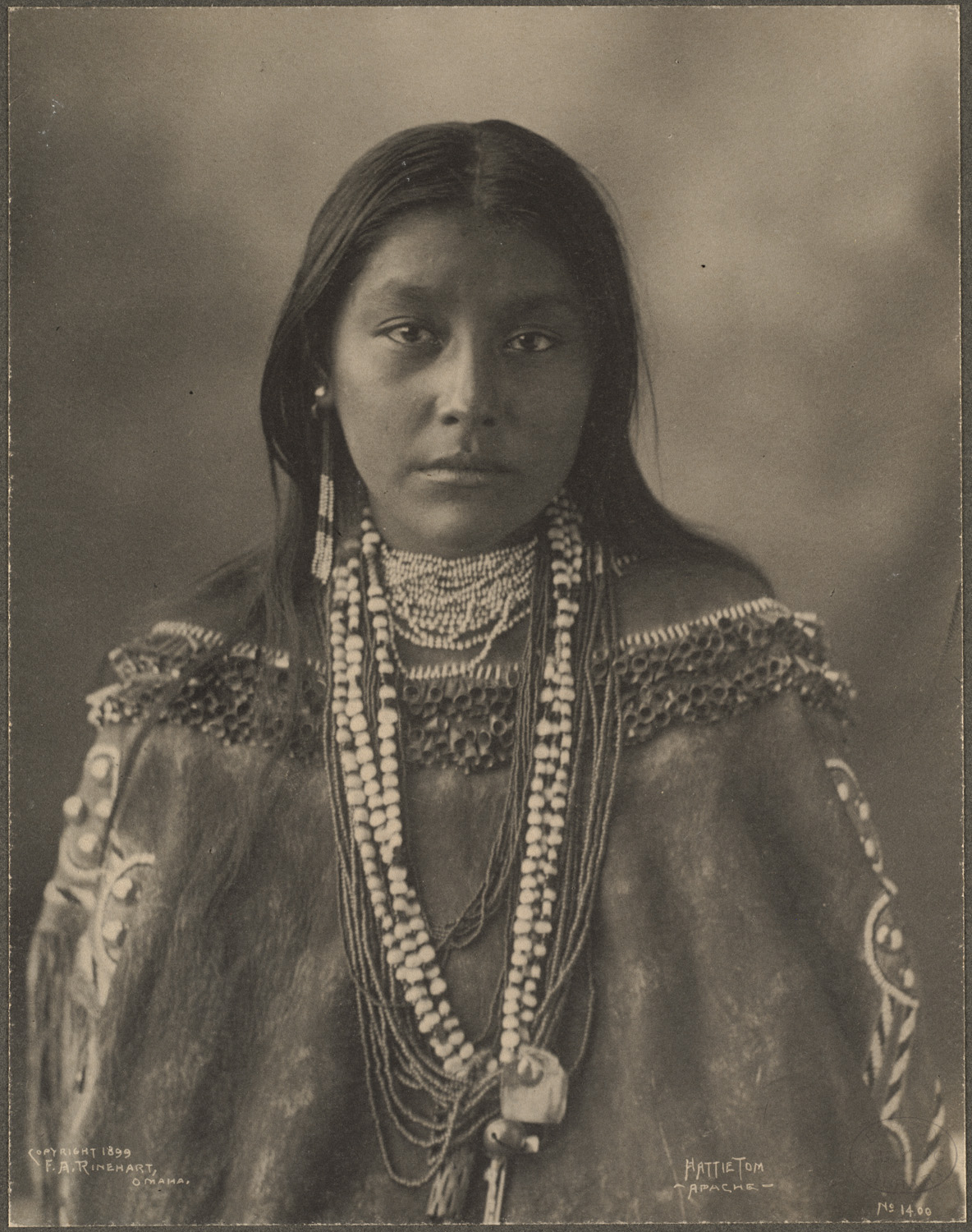 ChiricahuaNde
🇺🇸 United States and 1 moreApache people of the US Southwest and northern Mexico
About 4,000, Southern Athabaskan
ChiricahuaNde
🇺🇸 United States and 1 moreApache people of the US Southwest and northern Mexico
About 4,000, Southern Athabaskan
 Western ApacheNdee (Indé)
🇺🇸 United States and 1 moreApache peoples of east-central Arizona, living on several reservations
About 14,000, Southern Athabaskan
Western ApacheNdee (Indé)
🇺🇸 United States and 1 moreApache peoples of east-central Arizona, living on several reservations
About 14,000, Southern Athabaskan
 Jewsיהודים
🇮🇱 Israel and 11 moreAn ethnoreligious group with ancient roots in Israel and a global presence today
About 15 million
Jewsיהודים
🇮🇱 Israel and 11 moreAn ethnoreligious group with ancient roots in Israel and a global presence today
About 15 million