
Gisu
Bantu-speaking farmers of Mount Elgon in eastern Uganda
The Gisu, also called Bagisu or Bamasaba, are a Bantu-speaking people living mainly on the slopes of Mount Elgon in eastern Uganda, especially in Mbale District. Numbering about 1.6 million (2014 census), they are known for their Imbalu circumcision ceremonies and close ties to the Bukusu of Kenya.
Who are the Gisu?
The Gisu, also known as Bagisu or Bamasaba, are a Bantu-speaking group living in eastern Uganda. They are closely related to the Bukusu people of Kenya, sharing language and many cultural practices. Their identity is shaped by shared ancestry, traditions, and the famous Imbalu initiation ceremonies. The Gisu trace their roots to an ancestor named Masaba, whose story and descendants form a central part of their history and sense of belonging. Community ties are reinforced through clan relationships, shared rituals, and a strong agricultural way of life.
Where do the Gisu live?
The Gisu live mainly on the fertile slopes of Mount Elgon in the Mbale District of eastern Uganda. This region is known for its high altitude, rich volcanic soils, and bamboo forests. The land supports a variety of crops and provides bamboo shoots, an important traditional food. The climate is cool and wet, making it ideal for farming, especially for crops like Arabica coffee. The mountain and its forests play a significant role in Gisu culture and daily life.
What language do the Gisu speak?
The Gisu speak Lumasaba, a Bantu language. Their dialect is fully understandable to speakers of related dialects, including the Bukusu of Kenya. Lumasaba is used in daily life and cultural practices. The language remains vital in the community, helping to maintain cultural identity and links with neighboring groups.
How do the Gisu live?
Farming is central to Gisu life. They grow Arabica coffee at higher elevations, which is sold through local cooperatives. Other crops include cotton, tobacco, maize, beans, millet, sorghum, yams, and cassava. Banana, called matoke, is a staple food. Bamboo shoots, known as malewa, are collected from the mountain and remain a traditional delicacy. Most Gisu live in rural villages, building homes from local materials and relying on their crops for food and income.
How is Gisu society organised?
Gisu society is organized around clans and extended families. Descent is traced through the male line, and clan ties are important for identity and support. Marriage often involves negotiations between families. Community decisions are made by elders and clan leaders, who guide rituals and resolve disputes. Social life is marked by shared ceremonies, especially the Imbalu initiation, which brings families and clans together.

What do the Gisu believe?
Most Gisu are Christians, mainly Anglican and Roman Catholic, with a significant Muslim minority. Traditional beliefs and rituals remain important, especially around initiation and ancestor veneration. The Imbalu circumcision ceremony is a major rite of passage for Gisu boys, held every two years in August. Music, dance, and feasting are central to these events. Dress and art often reflect both traditional and modern influences.
The history of the Gisu
The Gisu trace their origins to Masaba, who migrated from the Ethiopian highlands and settled near Mount Elgon. The story of Masaba’s marriage to a Maasai woman and the adoption of circumcision from her people is central to Gisu identity. Over time, the Gisu developed close ties with the Bukusu of Kenya, sharing language and customs. Colonial and postcolonial changes brought new religions and economic opportunities, but the Gisu have maintained many of their traditions.
Gisu life today
Today, the Gisu number about 1.6 million in Uganda. Most still live in rural areas, farming the land. Christianity and Islam are widely practiced, but traditional customs remain strong. The Imbalu ceremony continues to be a key event, drawing participants and visitors. The Gisu face pressures from modernization but continue to value their land, language, and cultural heritage.
Questions people ask about the Gisu
Where do the Gisu live?
The Gisu live in Uganda and Kenya, in the slopes of Mount Elgon, Mbale District, eastern Uganda.
How many Gisu people are there?
Our sources give the Gisu population as about 1,646,904 (2014 Uganda census). Counts of peoples vary with who is counted and when.
What language do the Gisu speak?
The Gisu speak Lumasaba, which belongs to the Bantu family of languages.
How do the Gisu make a living?
The Gisu are known for settled farming. Like most peoples, they combine several ways of making a living, and these have changed over time.
Sources and further reading
- Gisu people on WikipediaEncyclopedia
- Encyclopaedia BritannicaArticle
- More photos on Wikimedia CommonsPhotos
- Wikidata recordOpen data
This page was written with AI assistance from the sources above and checked automatically before publishing. It may contain mistakes, and it is no substitute for hearing from the Gisu themselves. If something is wrong, tell us. Last refreshed 2026-10-02.
Neighbours in Uganda
All peoples of Uganda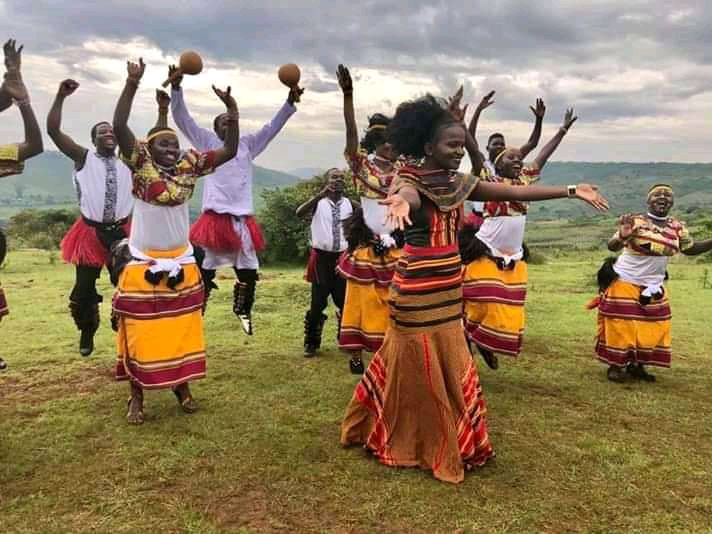 Baganda
🇺🇬 UgandaLargest ethnic group of Uganda, organized by clans in the Buganda kingdom
About 7 million, Bantu
Baganda
🇺🇬 UgandaLargest ethnic group of Uganda, organized by clans in the Buganda kingdom
About 7 million, Bantu
 Pygmy peoples
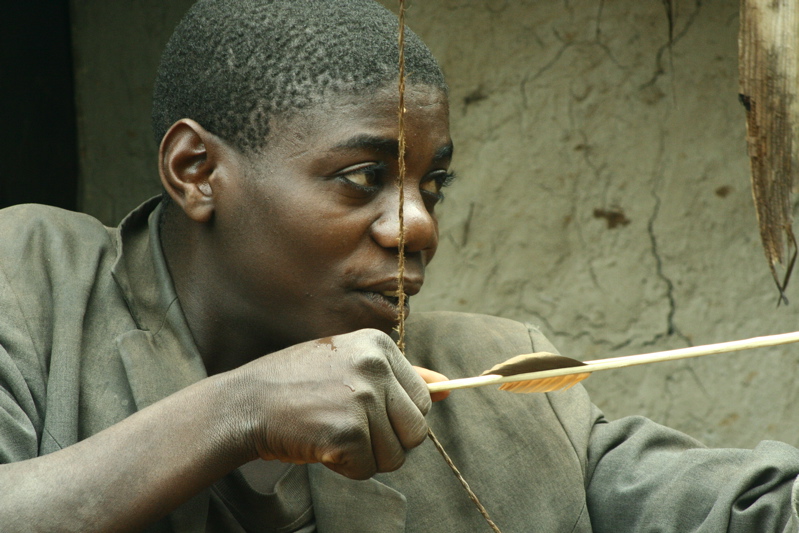
🇨🇩 Democratic Republic of the Congo and 7 moreShort-statured hunter-gatherer groups of the Congo Basin and Central Africa
About 920,000
Pygmy peoples
🇨🇩 Democratic Republic of the Congo and 7 moreShort-statured hunter-gatherer groups of the Congo Basin and Central Africa
About 920,000
 KalenjinBiikap Kuutiit
🇰🇪 Kenya and 4 moreA cluster of Nilotic-speaking peoples of Kenya's Rift Valley and beyond
About 7.5 million, Southern Nilotic (Nilo-Saharan)
KalenjinBiikap Kuutiit
🇰🇪 Kenya and 4 moreA cluster of Nilotic-speaking peoples of Kenya's Rift Valley and beyond
About 7.5 million, Southern Nilotic (Nilo-Saharan)
 Iteso
🇺🇬 Uganda and 2 moreNilotic farmers and herders of eastern Uganda and western Kenya
About 2.8 million, Nilotic
Iteso
🇺🇬 Uganda and 2 moreNilotic farmers and herders of eastern Uganda and western Kenya
About 2.8 million, Nilotic
Other Bantu speakers
See them all KikuyuAgĩkũyũ
🇰🇪 KenyaLargest ethnic group of Kenya's central highlands, known for farming and rich traditions
About 8.1 million, Bantu
KikuyuAgĩkũyũ
🇰🇪 KenyaLargest ethnic group of Kenya's central highlands, known for farming and rich traditions
About 8.1 million, Bantu
 Shona
🇿🇼 Zimbabwe and 4 moreThe largest Bantu-speaking group of Zimbabwe, known for stone sculpture and mbira music
About 16 million, Bantu
Shona
🇿🇼 Zimbabwe and 4 moreThe largest Bantu-speaking group of Zimbabwe, known for stone sculpture and mbira music
About 16 million, Bantu
 SothoBasotho
🇿🇦 South Africa and 4 moreA Sotho-Tswana people of Lesotho and South Africa, known for their language and history.
About 7.3 million, Bantu
SothoBasotho
🇿🇦 South Africa and 4 moreA Sotho-Tswana people of Lesotho and South Africa, known for their language and history.
About 7.3 million, Bantu
 TswanaBatswana
🇧🇼 Botswana and 3 moreA Bantu-speaking people of Southern Africa, central to Botswana and South Africa
About 7.1 million, Bantu
TswanaBatswana
🇧🇼 Botswana and 3 moreA Bantu-speaking people of Southern Africa, central to Botswana and South Africa
About 7.1 million, Bantu