
Tainui
A Māori tribal confederation of the central North Island, New Zealand
Tainui is a confederation of Māori tribes (iwi) in the central North Island of New Zealand, including Waikato, Ngāti Maniapoto, Ngāti Raukawa, and Hauraki. They trace their ancestry to the Tainui waka, a voyaging canoe from Polynesia, and are known for founding the Kīngitanga (Māori King movement) and for their role in New Zealand's colonial history.
Who are the Tainui?
Tainui is a confederation of Māori tribes (iwi) who share descent from ancestors who arrived in Aotearoa (New Zealand) on the Tainui waka (canoe) from Hawaiki around 800 years ago. The confederation includes the Waikato, Ngāti Maniapoto, Ngāti Raukawa, and Hauraki iwi, among others. Tainui identity is shaped by shared ancestry, history, and the legacy of the Tainui waka. The people are bound together by whakapapa (genealogy), collective memory, and the Kīngitanga, a movement for Māori unity and leadership. Their sense of belonging is tied to their ancestral lands and the stories of migration and settlement.
Where do the Tainui live?
Tainui's traditional lands cover much of the central North Island of New Zealand, especially the Waikato region. Their rohe (territory) stretches from the Waikato River and its fertile plains to parts of Auckland, Horowhenua, Kāpiti, and even the northern South Island for some related iwi. The land includes rivers, forests, and productive agricultural areas. The Waikato River is especially significant for its cultural and economic importance.
What language do the Tainui speak?
Tainui people speak Māori, the indigenous language of Aotearoa New Zealand. Māori is part of the Austronesian language family. The language is central to Tainui identity and is used in ceremonies, everyday life, and education. Revitalisation efforts continue, especially in schools and on marae (meeting grounds).
How do the Tainui live?
Traditionally, Tainui people practiced farming, fishing, and crafts. After European contact, they adopted new crops and technologies, such as water mills and wheat farming, and became major suppliers of food to early settlers. Today, many Tainui work in various sectors, including business, education, and trades. The confederation has invested in commercial ventures and land development, especially after receiving compensation for historical land confiscations.
How is Tainui society organised?
Tainui society is organised around iwi (tribes), hapū (sub-tribes), and whānau (families). Leadership is provided by rangatira (chiefs) and, since 1858, by the Māori King through the Kīngitanga movement. Decision-making often involves hui (gatherings) on marae, where elders and leaders discuss matters affecting the community. Kinship, respect for elders, and collective responsibility are important values.


What do the Tainui believe?
Tainui beliefs are rooted in Māori cosmology, with respect for ancestors, land, and waterways. Rituals and ceremonies are held on marae, and traditional arts such as carving, weaving, and oratory are highly valued. Christianity was introduced in the 19th century and is practiced alongside traditional beliefs. The Kīngitanga movement also has spiritual significance for many.
The history of the Tainui
Tainui trace their origins to the Tainui waka, which arrived from Hawaiki around 800 years ago. They settled in the Waikato and expanded their territory through conquest and alliances. In the 19th century, Tainui established the Kīngitanga to unite Māori and resist land sales. After refusing to submit to British rule, they faced invasion and the confiscation of over 480,000 hectares of land. The loss of land caused major social and economic hardship. Over time, some land was returned and compensation paid, culminating in a major settlement in 1995.
Tainui life today
Tainui remains a strong and active confederation. They have regained some land and resources through settlements and have invested in business and education. The Kīngitanga continues to provide cultural leadership. Tainui people are involved in New Zealand society while maintaining their distinct identity, language, and traditions. Challenges remain, but there is ongoing cultural and economic revival.
Questions people ask about the Tainui
Where do the Tainui live?
The Tainui live in New Zealand, in the central North Island, especially Waikato region.
What language do the Tainui speak?
The Tainui speak Māori, which belongs to the Austronesian family of languages.
How do the Tainui make a living?
The Tainui are known for settled farming, fishing and the sea, towns and wage work and craft and trade. Like most peoples, they combine several ways of making a living, and these have changed over time.
Sources and further reading
This page was written with AI assistance from the sources above and checked automatically before publishing. It may contain mistakes, and it is no substitute for hearing from the Tainui themselves. If something is wrong, tell us. Last refreshed 2026-10-02.
Neighbours in New Zealand
All peoples of New Zealand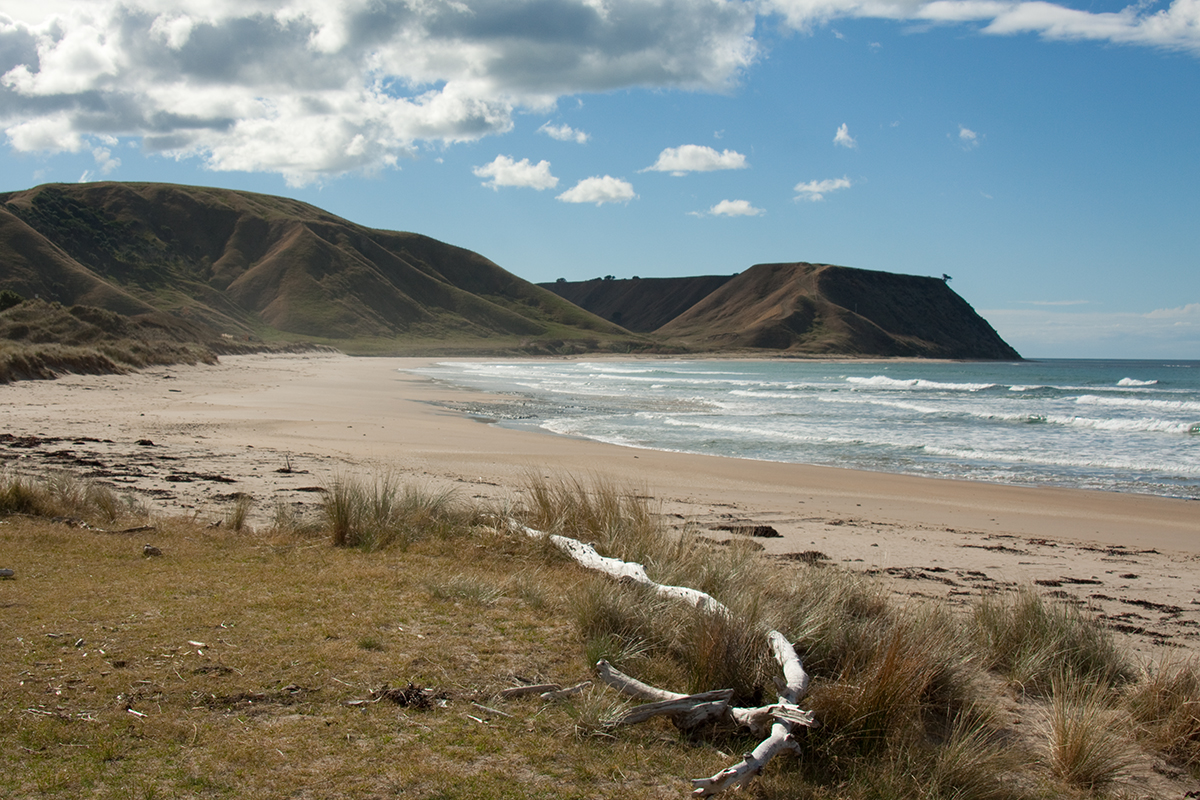 Ngāi Tahu
🇳🇿 New ZealandThe principal Māori iwi of New Zealand's South Island
About 85,000, Austronesian
Ngāi Tahu
🇳🇿 New ZealandThe principal Māori iwi of New Zealand's South Island
About 85,000, Austronesian
 Ngāpuhi
🇳🇿 New ZealandLargest Māori iwi of New Zealand's Northland region
About 184,000, Austronesian
Ngāpuhi
🇳🇿 New ZealandLargest Māori iwi of New Zealand's Northland region
About 184,000, Austronesian
 Ngāti Kahungunu
🇳🇿 New ZealandA major Māori iwi of New Zealand’s eastern North Island
About 82,000, Austronesian
Ngāti Kahungunu
🇳🇿 New ZealandA major Māori iwi of New Zealand’s eastern North Island
About 82,000, Austronesian
 Ngāti Porou
🇳🇿 New ZealandA large Māori iwi from the East Cape and Gisborne regions of New Zealand
About 102,000, Austronesian
Ngāti Porou
🇳🇿 New ZealandA large Māori iwi from the East Cape and Gisborne regions of New Zealand
About 102,000, Austronesian
Other Austronesian speakers
See them all MalaysOrang Melayu
🇲🇾 Malaysia and 4 moreAustronesian people of the Malay Peninsula, Sumatra, Borneo and nearby islands
About 30 million, Austronesian
MalaysOrang Melayu
🇲🇾 Malaysia and 4 moreAustronesian people of the Malay Peninsula, Sumatra, Borneo and nearby islands
About 30 million, Austronesian
 Minangkabaubangso Minangkabau
🇮🇩 Indonesia and 3 moreMatrilineal Muslim society from the highlands of West Sumatra
About 6.6 million, Austronesian
Minangkabaubangso Minangkabau
🇮🇩 Indonesia and 3 moreMatrilineal Muslim society from the highlands of West Sumatra
About 6.6 million, Austronesian
 Sundaneseᮅᮛᮀ ᮞᮥᮔ᮪ᮓ (Urang Sunda)
🇮🇩 Indonesia and 3 moreThe native people of western Java, Indonesia, known for their language and traditions
About 42 million, Austronesian
Sundaneseᮅᮛᮀ ᮞᮥᮔ᮪ᮓ (Urang Sunda)
🇮🇩 Indonesia and 3 moreThe native people of western Java, Indonesia, known for their language and traditions
About 42 million, Austronesian
 Balineseanak Bali
🇮🇩 IndonesiaHindu-majority people of Bali, known for art, dance, and water-temple farming
About 3.9 million, Austronesian
Balineseanak Bali
🇮🇩 IndonesiaHindu-majority people of Bali, known for art, dance, and water-temple farming
About 3.9 million, Austronesian