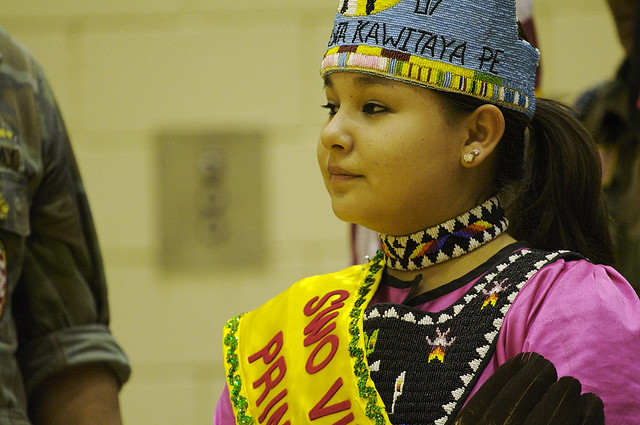
Sisseton Wahpeton Oyate
They call themselves Skiskiṭuŋwaŋ Waȟpéthuŋwaŋ Oyáte
Dakota people of the Lake Traverse Reservation in South Dakota
The Sisseton Wahpeton Oyate are a Dakota tribal nation living mainly on the Lake Traverse Reservation in northeast South Dakota. With about 12,300 enrolled members, they are known for their history, their role in Dakota treaties, and their efforts to maintain Dakota language and culture.
- Live mainly on the Lake Traverse Reservation in South Dakota
- About 12,300 enrolled members
- Speak Dakota and English
- Operate their own tribal college
- Signed major treaties with the US in 1851 and 1867
Who are the Sisseton Wahpeton Oyate?
The Sisseton Wahpeton Oyate are a Dakota people whose community is centered on the Lake Traverse Reservation in northeast South Dakota. They are made up of two bands and two subdivisions of the Santee Dakota, also called Isanti. Their identity is rooted in shared language, kinship, and a long history of living in the northern Plains. Today, they maintain their traditions while adapting to modern life, with a strong focus on preserving Dakota language and culture.
Where do the Sisseton Wahpeton Oyate live?
The Sisseton Wahpeton Oyate live mainly on the Lake Traverse Reservation, a region of prairies, lakes, and rivers in northeast South Dakota. The reservation was established by treaty in 1867 and includes several districts, such as Agency Village, Buffalo Lake, and Enemy Swim. The landscape supports both traditional and modern ways of life, and the reservation remains the heart of the community.
What language do the Sisseton Wahpeton Oyate speak?
The main language of the Sisseton Wahpeton Oyate is Dakota, part of the Siouan language family. English is also widely spoken. Efforts to revitalize and teach Dakota continue, with programs at the tribal college and local schools. The Dakota language is a key part of cultural identity for many community members.
How do the Sisseton Wahpeton Oyate live?
Historically, the Sisseton Wahpeton Oyate practiced subsistence farming and hunting. Today, many members work in various jobs on and off the reservation, including tribal enterprises, education, and health services. Farming remains important, and the community supports local businesses and crafts. Housing ranges from traditional to modern, reflecting both heritage and present needs.
How is Sisseton Wahpeton Oyate society organised?
The Sisseton Wahpeton Oyate organize themselves into districts, each with its own local leadership. Family and kinship ties are central, and the community values both traditional and elected forms of governance. Decisions are made through tribal councils and community meetings, reflecting a blend of Dakota custom and contemporary structures.

What do the Sisseton Wahpeton Oyate believe?
Religious life among the Sisseton Wahpeton Oyate includes traditional Dakota beliefs, the Sun Dance, Christianity, and the Native American Church. Powwows and ceremonies are important for cultural expression, and art, music, and dance play a vital role in community life. Dress at ceremonies often features beadwork and regalia that reflect Dakota heritage.
The history of the Sisseton Wahpeton Oyate
The Sisseton Wahpeton Oyate signed major treaties with the United States in 1851 and 1867, ceding large areas of land. The Dakota War of 1862 deeply affected the community, leading to loss of land, forced removal, and harsh punishments. After the war, the tribe reorganized and eventually established self-government on the Lake Traverse Reservation. The community also experienced the impact of federal boarding schools, which aimed to assimilate children but are now being replaced by tribally controlled education.
Sisseton Wahpeton Oyate life today
Today, the Sisseton Wahpeton Oyate number about 12,300 enrolled members, with most living on or near the reservation. They have a federally recognized tribal government and run their own college and schools. The community works to preserve Dakota language and culture, while facing challenges such as economic development and maintaining land and rights.
Questions people ask about the Sisseton Wahpeton Oyate
Where do the Sisseton Wahpeton Oyate live?
They live mainly on the Lake Traverse Reservation in northeast South Dakota, which includes several districts such as Agency Village and Buffalo Lake.
How many Sisseton Wahpeton Oyate are there?
There are about 12,300 enrolled members of the Sisseton Wahpeton Oyate, with most living on or near the reservation.
What language do the Sisseton Wahpeton Oyate speak?
They speak Dakota, which is part of the Siouan language family, as well as English. Efforts to revitalize Dakota are ongoing.
What is the main religion of the Sisseton Wahpeton Oyate?
Their religious life includes traditional Dakota beliefs, the Sun Dance, Christianity, and the Native American Church.
What are the main ways the Sisseton Wahpeton Oyate make a living?
Historically, they practiced farming and hunting. Today, many work in tribal enterprises, education, health services, and local businesses.
Sources and further reading
- Sisseton Wahpeton Oyate on WikipediaEncyclopedia
- More photos on Wikimedia CommonsPhotos
- Wikidata recordOpen data
This page was written with AI assistance from the sources above and checked automatically before publishing. It may contain mistakes, and it is no substitute for hearing from the Sisseton Wahpeton Oyate themselves. If something is wrong, tell us. Last refreshed 2026-10-02.
Neighbours in the United States
All peoples of the United States CrowApsáalooke
🇺🇸 United StatesPlains people of southern Montana, known for their horse culture and Crow Fair
About 12,000, Siouan
CrowApsáalooke
🇺🇸 United StatesPlains people of southern Montana, known for their horse culture and Crow Fair
About 12,000, Siouan
 OsageWazhazhe
🇺🇸 United StatesIndigenous people of the Great Plains, now based in Oklahoma
About 28,000, Siouan
OsageWazhazhe
🇺🇸 United StatesIndigenous people of the Great Plains, now based in Oklahoma
About 28,000, Siouan
 Ho-ChunkHoocąk
🇺🇸 United StatesSiouan-speaking Native people of Wisconsin and Nebraska, known for effigy mounds
About 12,000, Siouan
Ho-ChunkHoocąk
🇺🇸 United StatesSiouan-speaking Native people of Wisconsin and Nebraska, known for effigy mounds
About 12,000, Siouan
 Oglala LakotaOglála Lakhóta Oyáte
🇺🇸 United StatesLakota people living mainly on Pine Ridge Reservation in South Dakota
About 47,000, Siouan
Oglala LakotaOglála Lakhóta Oyáte
🇺🇸 United StatesLakota people living mainly on Pine Ridge Reservation in South Dakota
About 47,000, Siouan
Other Siouan speakers
See them all HunkpapaHúŋkpapȟa
🇺🇸 United States and 1 moreA Lakota division known for their role at Little Bighorn and life at Standing Rock
About 571, Siouan
SicanguSičhą́ǧu Oyáte
🇺🇸 United StatesSouthern Lakota nation centered on the Rosebud and Lower Brule Reservations
Siouan
HunkpapaHúŋkpapȟa
🇺🇸 United States and 1 moreA Lakota division known for their role at Little Bighorn and life at Standing Rock
About 571, Siouan
SicanguSičhą́ǧu Oyáte
🇺🇸 United StatesSouthern Lakota nation centered on the Rosebud and Lower Brule Reservations
Siouan
 MiniconjouMnikowoju
🇺🇸 United StatesA Lakota subdivision living in west-central South Dakota
Siouan
Sans ArcItázipčho
🇺🇸 United StatesA Lakota subdivision living on the Cheyenne River Reservation, South Dakota
Siouan
MiniconjouMnikowoju
🇺🇸 United StatesA Lakota subdivision living in west-central South Dakota
Siouan
Sans ArcItázipčho
🇺🇸 United StatesA Lakota subdivision living on the Cheyenne River Reservation, South Dakota
Siouan