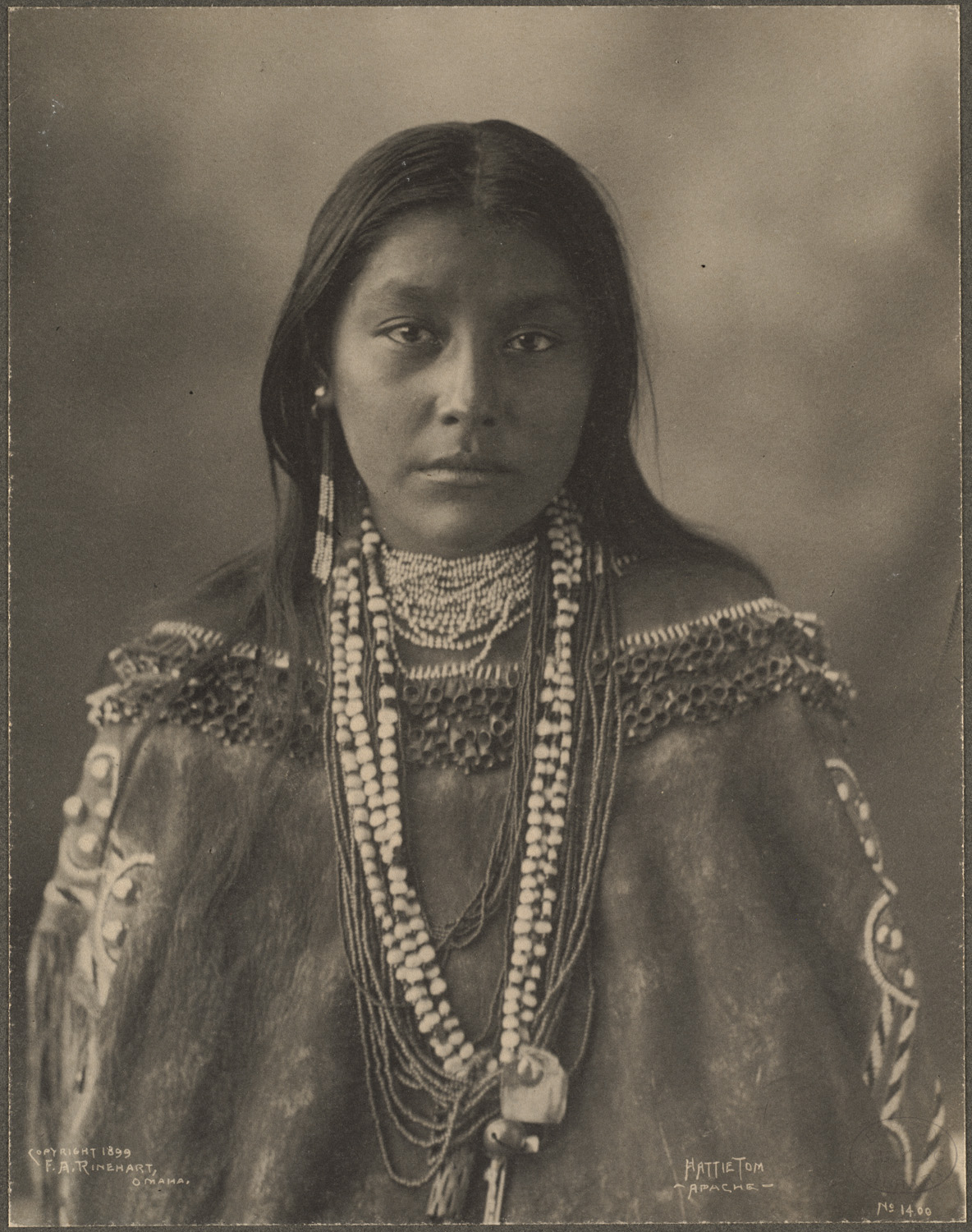
Chiricahua
They call themselves Nde
Apache people of the US Southwest and northern Mexico
The Chiricahua are an Apache people whose homeland spans southwestern New Mexico, southeastern Arizona, and northern Mexico. Today, most live in the United States and northern Mexico, enrolled in tribes such as the Fort Sill Apache, Mescalero Apache, and San Carlos Apache. They are known for their distinct language, history of resistance, and ongoing cultural traditions.
- Chiricahua refer to themselves as Nde, meaning 'The People'.
- Their homeland spans southwestern New Mexico, southeastern Arizona, and northern Mexico.
- They are enrolled in the Fort Sill, Mescalero, and San Carlos Apache tribes.
- The Chiricahua Apache language is closely related to Mescalero.
- Traditional religion centers on Ussen and White Painted Woman.
Who are the Chiricahua?
The Chiricahua are one of several Apache groups who share close language, customs, and family ties. Historically, they were not a single band but included several related groups such as the Chokonen, Chihenne, Nednai, and Bedonkohe. Today, they are commonly known as Chiricahua and are recognized as a distinct people. Their identity is held together by shared traditions, language, and a history of alliances and intermarriage with other Apache groups. They refer to themselves as Nde, meaning 'The People'.
Where do the Chiricahua live?
The Chiricahua homeland covers a vast region of the southwestern United States and northern Mexico. Traditionally, their territory included the mountains and valleys of southwestern New Mexico, southeastern Arizona, and the northern Mexican states of Sonora and Chihuahua. This landscape is marked by rugged mountains, canyons, and desert plains, providing resources for hunting, gathering, and small-scale farming. Today, many Chiricahua live in Oklahoma, New Mexico, Arizona, and northern Mexico.
What language do the Chiricahua speak?
The Chiricahua speak the Chiricahua Apache language, known as n'dee biyat'i. It is a Southern Athabaskan language, closely related to Mescalero and more distantly to Western Apache. The language is considered a national language of Mexico and is regulated by the Instituto Nacional de Lenguas Indígenas. English and Spanish are also spoken by many Chiricahua today.
How do the Chiricahua live?
Traditionally, the Chiricahua made their living through foraging—hunting game and gathering wild plants. They also practiced small-scale farming in some areas. Their mobility allowed them to adapt to the arid landscape, moving with the seasons to find food and water. Houses were often temporary structures suited to a nomadic lifestyle. Today, many Chiricahua live in towns and reservations, with some engaged in wage work and modern enterprises.
How is Chiricahua society organised?
Chiricahua society was organized into loosely affiliated bands, each with its own leaders and councils. Family and clan ties were central, with intermarriage among Apache groups strengthening alliances. Decisions were often made by consensus among elders and respected leaders. Social organization was flexible, adapting to changing circumstances and needs. Marriage, kinship, and ritual played important roles in maintaining social bonds.

![Studio portrait (standing) of Dutchy (Bakeitzogie [ Yellow Coyote]), a Native American (Chiricahua Apache) man. He holds a rifle and wears moccasin boots, a breechcloth, ammunition belt, and a kerchief on his head. Title](https://thumb.wikimedia.org/wikipedia/commons/thumb/f/f0/Apaches_Ba-keitz-ogie%2C_%28The_Yellow_Coyote%29%2C_called_Dutchy_Chiricahua_scout_%28F19052_DPLW%29.jpg/960px-Apaches_Ba-keitz-ogie%2C_%28The_Yellow_Coyote%29%2C_called_Dutchy_Chiricahua_scout_%28F19052_DPLW%29.jpg)


What do the Chiricahua believe?
Chiricahua traditional religion centers on Ussen, an all-powerful creator. Other important figures include White Painted Woman and her son, Child of the Waters. Rituals such as the use of hoddentin (cattail pollen) in ceremonies, puberty rites for young women, and reverence for caves and waterways are significant. Today, some Chiricahua also practice Christianity and participate in the Native American Church. Traditional dances and ceremonies continue, especially in communities in Mexico.
The history of the Chiricahua
The Chiricahua trace their origins to Athabaskan-speaking ancestors who migrated from Canada centuries ago. Over time, they settled in the Southwest, forming alliances and sometimes conflicts with neighboring peoples. European contact brought violence and upheaval: Spanish and Mexican expansion, scalp bounties, and later, American encroachment led to wars and forced removals. By the late 1800s, the US Army defeated the Chiricahua and forced them onto reservations, ending their nomadic way of life. Despite these hardships, the Chiricahua have preserved their identity and traditions.
Chiricahua life today
Today, most Chiricahua live in the United States, mainly in Oklahoma, New Mexico, and Arizona, with some communities in northern Mexico. They are enrolled in federally recognized tribes and maintain cultural practices such as language, dance, and ceremony. The Chiricahua continue to face challenges related to land, rights, and cultural preservation, but efforts to revive language and traditions are ongoing.
Questions people ask about the Chiricahua
Where do the Chiricahua live today?
Most Chiricahua live in the United States, especially in Oklahoma, New Mexico, and Arizona, with some living in northern Mexico. They are enrolled in tribes such as the Fort Sill Apache, Mescalero Apache, and San Carlos Apache.
How many Chiricahua are there?
There are 4,079 self-identified Chiricahua according to available sources.
What language do the Chiricahua speak?
The Chiricahua speak the Chiricahua Apache language, which is closely related to Mescalero. Many also speak English and Spanish.
What are the main beliefs of the Chiricahua?
Traditional Chiricahua religion centers on Ussen, the creator, and includes ceremonies involving hoddentin and figures like White Painted Woman. Some also practice Christianity and the Native American Church.
What is the traditional Chiricahua way of life?
Traditionally, the Chiricahua lived by hunting, gathering, and small-scale farming, moving seasonally across their homeland. Today, many live in towns and reservations, with some engaged in modern work.
Sources and further reading
- Chiricahua on WikipediaEncyclopedia
- Encyclopaedia BritannicaArticle
- More photos on Wikimedia CommonsPhotos
- Wikidata recordOpen data
This page was written with AI assistance from the sources above and checked automatically before publishing. It may contain mistakes, and it is no substitute for hearing from the Chiricahua themselves. If something is wrong, tell us. Last refreshed 2026-10-02.
Neighbours in the United States
All peoples of the United States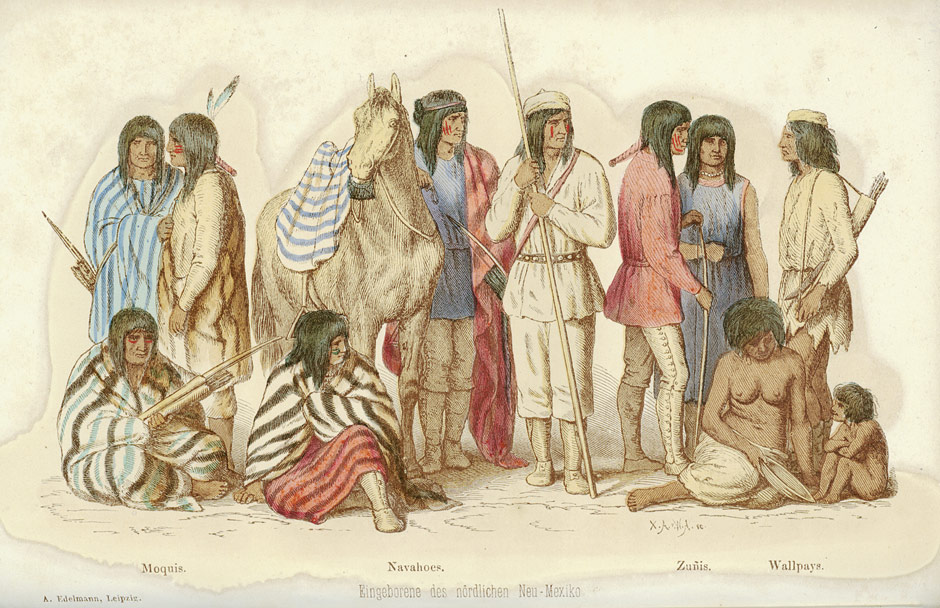 NavajoDiné
🇺🇸 United States and 1 moreLargest Native nation in the US Southwest, known for weaving and resilience
About 399,000, Southern Athabaskan
Jicarilla ApacheJicarilla Dindéi
🇺🇸 United StatesSeminomadic Apache people of northern New Mexico and southern Colorado
About 3,000, Southern Athabaskan
NavajoDiné
🇺🇸 United States and 1 moreLargest Native nation in the US Southwest, known for weaving and resilience
About 399,000, Southern Athabaskan
Jicarilla ApacheJicarilla Dindéi
🇺🇸 United StatesSeminomadic Apache people of northern New Mexico and southern Colorado
About 3,000, Southern Athabaskan
 Western ApacheNdee (Indé)
🇺🇸 United States and 1 moreApache peoples of east-central Arizona, living on several reservations
About 14,000, Southern Athabaskan
Western ApacheNdee (Indé)
🇺🇸 United States and 1 moreApache peoples of east-central Arizona, living on several reservations
About 14,000, Southern Athabaskan
 Jewsיהודים
🇮🇱 Israel and 11 moreAn ethnoreligious group with ancient roots in Israel and a global presence today
About 15 million
Jewsיהודים
🇮🇱 Israel and 11 moreAn ethnoreligious group with ancient roots in Israel and a global presence today
About 15 million