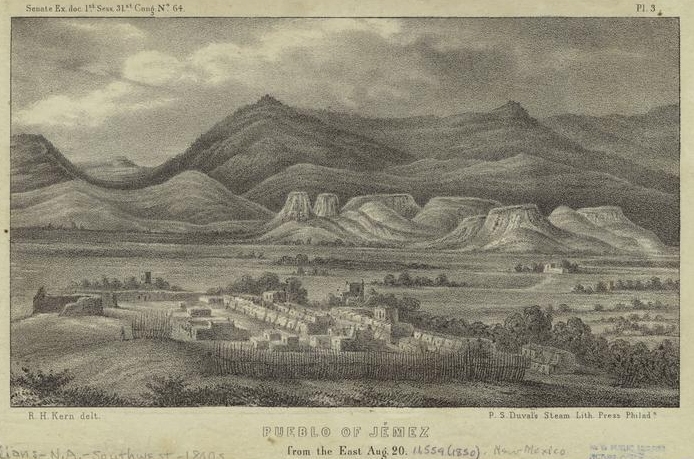
Jemez Pueblo
They call themselves Walatowa
Pueblo people of northern New Mexico, known for running and Towa language
The Jemez Pueblo, or Walatowa, are a federally recognized Pueblo people living in Sandoval County, New Mexico. About 1,963 people live at the pueblo, with the tribe having around 3,400 citizens. They are known for their Towa language, strong running traditions, and maintaining cultural practices.
- Jemez Pueblo is known as Walatowa in Towa.
- About 1,963 people live at the pueblo (2020 census).
- The Jemez speak the Towa language, part of the Tanoan family.
- Running is both a ceremonial and popular sport.
- Many Jemez are descendants of Pecos Pueblo survivors.
Who are the Jemez Pueblo?
The Jemez Pueblo, known as Walatowa in their own language, are one of the Pueblo peoples of the American Southwest. They are a federally recognized tribe with a close-knit community centered in Sandoval County, New Mexico. Their identity is shaped by their Towa language, traditional ceremonies, and a shared history that includes the joining of Pecos Pueblo survivors in the 19th century. Community life, cultural continuity, and strong ties to their land and customs hold the Jemez people together.
Where do the Jemez Pueblo live?
Jemez Pueblo is located in rural northern New Mexico, near the striking Red Rocks formation. The land is part of the high desert, with a mix of mesas and valleys. The area is known for its scenic beauty and is part of the Albuquerque metropolitan region, though the pueblo itself remains distinct and rural.
What language do the Jemez Pueblo speak?
The Jemez people speak Towa, an unwritten language belonging to the Tanoan language family. Towa is still spoken in the community, and language use remains a key part of Jemez identity. Efforts to maintain and pass on the language continue, as it is not widely spoken outside the pueblo.
How do the Jemez Pueblo live?
Traditionally, Jemez Pueblo people have relied on farming, raising crops such as chile peppers, corn, and wheat. In recent decades, many have shifted to wage-earning work, but agriculture and crafts remain important. The pueblo owns a convenience store, and some members are involved in arts, such as sculpture and pottery. Houses are clustered in the pueblo, and customary practices are maintained.
How is Jemez Pueblo society organised?
Jemez Pueblo society is organized around families and community ties. Leadership is selected annually by religious leaders, reflecting the importance of tradition in governance. Households are often large, with extended families living together. Decision-making involves both secular and religious authorities, and ceremonies play a central role in community life.

What do the Jemez Pueblo believe?
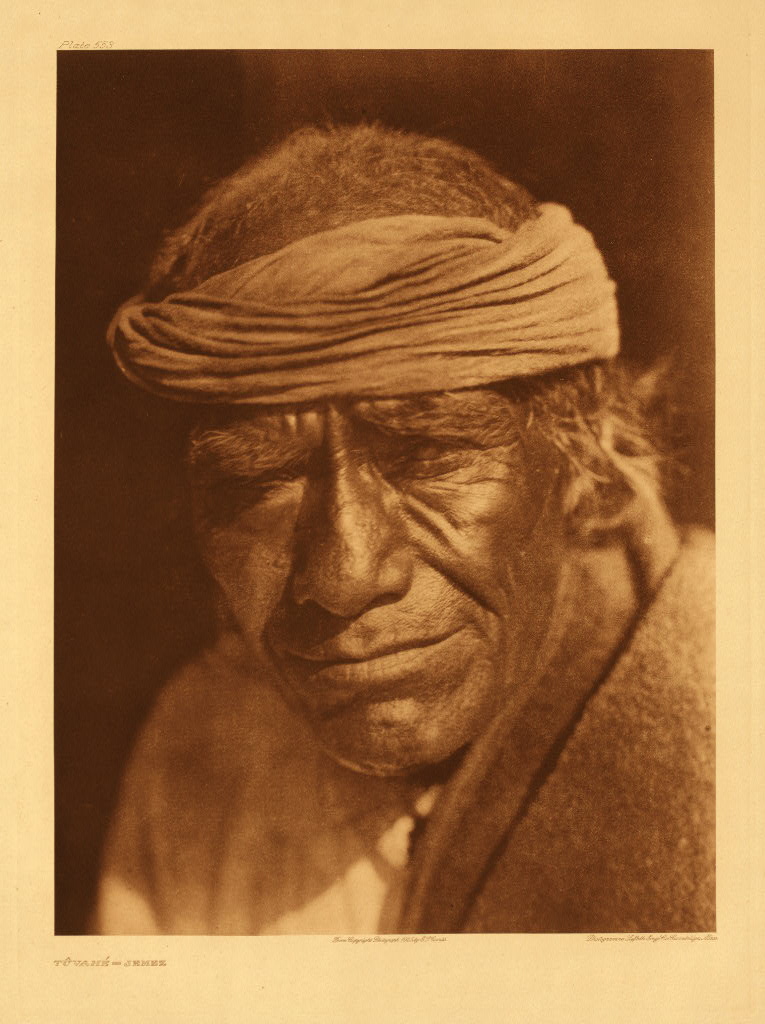
Ceremonial life is important at Jemez Pueblo, with sacred plants such as Carex used in rituals. Running holds both ceremonial and secular significance, with races linked to agricultural cycles and community well-being. Art and music are also valued, with notable artists and sculptors among the Jemez. Traditional dress and practices are maintained, especially during ceremonies.
The history of the Jemez Pueblo
Jemez Pueblo has a long history in northern New Mexico. In 1838, survivors from Pecos Pueblo joined the Jemez after their own community was abandoned. The pueblo was likely the site of the Franciscan Mission San Diego de la Congregacion. Over time, the Jemez have faced pressures from colonization, economic change, and modernization, but have maintained their language and many customs. Running has long been a celebrated tradition, with Jemez athletes gaining recognition in regional and national events.
Jemez Pueblo life today
Today, about 1,963 people live at Jemez Pueblo, with the tribe counting around 3,400 citizens. The community faces economic challenges, including high unemployment, but continues to maintain its language and traditions. The pueblo is not involved in gaming but owns a convenience store. Education and cultural preservation remain priorities, with local schools and a community library supporting these efforts.
Questions people ask about the Jemez Pueblo
Where do the Jemez Pueblo people live?
They live in Sandoval County, northern New Mexico, United States, near the Red Rocks formation.
How many Jemez Pueblo people are there?
About 1,963 people live at the pueblo, and the tribe has around 3,400 citizens.
What language do the Jemez Pueblo speak?
They speak Towa, an unwritten language of the Tanoan family, still used in the community.
What are the main ways the Jemez Pueblo make a living?
They traditionally farmed crops like chile, corn, and wheat, and now also work in wage jobs and crafts.
What is special about running in Jemez Pueblo culture?
Running is a ceremonial activity linked to agricultural cycles and is also a popular sport, with Jemez runners known for their achievements.
Sources and further reading
- Jemez Pueblo, New Mexico on WikipediaEncyclopedia
- Official websiteOfficial site
- More photos on Wikimedia CommonsPhotos
- Wikidata recordOpen data
This page was written with AI assistance from the sources above and checked automatically before publishing. It may contain mistakes, and it is no substitute for hearing from the Jemez Pueblo themselves. If something is wrong, tell us. Last refreshed 2026-10-02.
Neighbours in the United States
All peoples of the United States KiowaǤáuigú
🇺🇸 United StatesHorse-centered Plains nation of southwestern Oklahoma
About 12,000, Tanoan
KiowaǤáuigú
🇺🇸 United StatesHorse-centered Plains nation of southwestern Oklahoma
About 12,000, Tanoan
 PojoaquePʼohsu̧wä̧geh Ówîngeh
🇺🇸 United StatesA Tewa-speaking Pueblo community in northern New Mexico
About 2,000, Tanoan
PojoaquePʼohsu̧wä̧geh Ówîngeh
🇺🇸 United StatesA Tewa-speaking Pueblo community in northern New Mexico
About 2,000, Tanoan
 TesuqueTeˀtsʼúgéh Ówîngeh
🇺🇸 United StatesA Tewa-speaking Pueblo community near Santa Fe, New Mexico
About 800, Tanoan
TesuqueTeˀtsʼúgéh Ówîngeh
🇺🇸 United StatesA Tewa-speaking Pueblo community near Santa Fe, New Mexico
About 800, Tanoan
 Isleta PuebloShiewhibak
🇺🇸 United StatesA Southern Tiwa pueblo in New Mexico's Middle Rio Grande Valley
About 2,000, Tanoan
Isleta PuebloShiewhibak
🇺🇸 United StatesA Southern Tiwa pueblo in New Mexico's Middle Rio Grande Valley
About 2,000, Tanoan
