
Montagnard
Indigenous peoples of Vietnam's Central Highlands with diverse languages and cultures
The Montagnard is a collective term for the many indigenous peoples of Vietnam's Central Highlands. They include groups like the Jarai, Rade, Bahnar, Koho, Mnong, and Stieng, among others, speaking Austroasiatic and Chamic languages. Numbering about one million, they are known for their distinct matrilineal customs and have faced pressures on their land and culture.
Who are the Montagnard?
The Montagnard are the collective name for the indigenous peoples of Vietnam’s Central Highlands. This umbrella term covers more than nineteen ethnic groups, each with its own language, traditions, and identity. The largest groups are the Jarai, Rade, Bahnar, Koho, Mnong, and Stieng. While they share a highland homeland and some cultural similarities, each group maintains its own customs and social structures. Many Montagnards are matrilineal, meaning descent and inheritance pass through the mother’s line. Their shared experience includes a long history of maintaining their ways of life despite outside pressures.
Where do the Montagnard live?
The Montagnards live in the Central Highlands of Vietnam, a region of mountains, forests, and plateaus. Their homeland stretches across provinces such as Gia Lai, Kon Tum, Đắk Lắk, Lâm Đồng, and Đắk Nông. The land is known for its rich biodiversity and is important for traditional farming and gathering. The highlands have helped the Montagnards preserve their cultures, as the rugged terrain limited outside influence for centuries.
What language do the Montagnard speak?
Montagnard groups speak a variety of languages from two main families: Austroasiatic (including Katuic and Bahnaric branches) and Austronesian (Chamic languages). The Jarai and Rade speak Chamic languages, while others like the Bahnar and Koho speak Bahnaric. These languages are distinct from Vietnamese and reflect the diversity of the highlands. Many Montagnards also speak Vietnamese, especially in public life.
How do the Montagnard live?
Traditionally, Montagnards practice swidden, or shifting cultivation, clearing small plots in the forest for crops. They grow rice, maize, and other staples, and supplement their diet by hunting, gathering, and fishing. Their houses are often built on stilts, adapted to the highland environment. Tools and crafts are made from local materials. While some have adopted settled farming, swidden remains important in many communities.
How is Montagnard society organised?
Montagnard society is often organized around clans or extended families. In many groups, such as the Jarai and Rade, descent is matrilineal, and women play key roles in family and community leadership. Marriage customs and inheritance follow the mother’s line. Decisions are made through village councils or elders, with respect for tradition and consensus. Each group has its own social rules and customs.



What do the Montagnard believe?
Montagnards traditionally hold animist beliefs, seeing spirits in natural features like trees, rivers, and mountains. Rituals and festivals mark important events and seasons. Music, dance, and oral storytelling are central to cultural life. In the colonial era and after, many Montagnards converted to Christianity, especially Protestantism and Catholicism, but traditional beliefs remain strong in many areas.
The history of the Montagnard
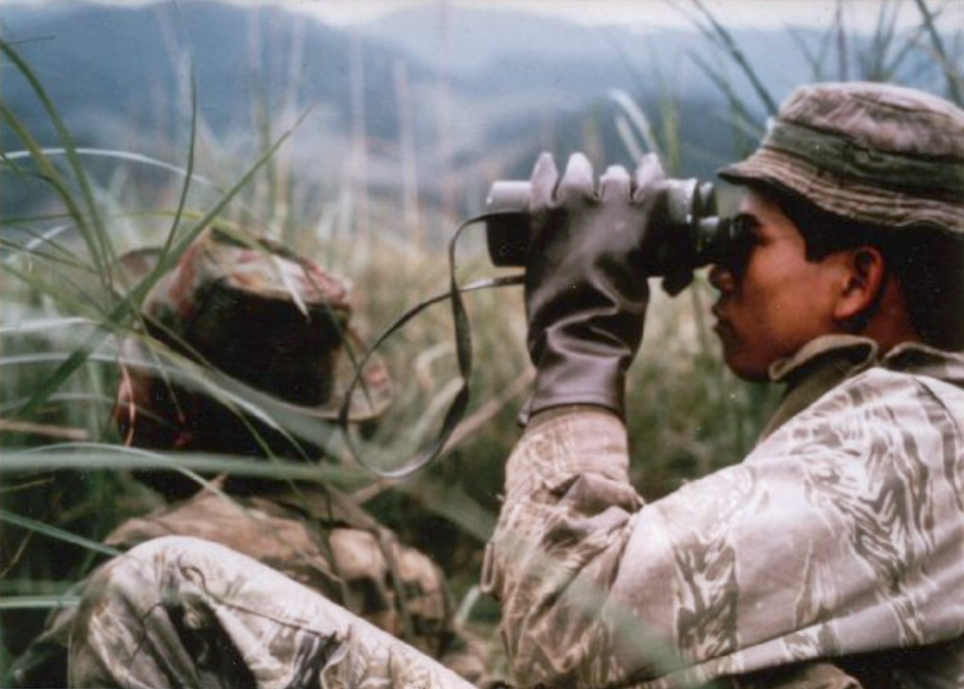
Montagnard peoples have lived in the Central Highlands for centuries, preserving their cultures despite outside influences. They were recorded in ancient Chinese and Vietnamese chronicles and maintained autonomy through the region’s rugged terrain. French colonial rule brought new pressures, including missionary activity and land encroachment. During the Vietnam War, many Montagnards were recruited by South Vietnamese and American forces. After the war, they faced land loss, cultural pressures, and at times, government restrictions. Their history includes both resistance and adaptation.
Montagnard life today
Today, about one million Montagnards live in Vietnam, mainly in the Central Highlands. They face challenges such as land rights disputes, cultural assimilation, and restrictions on religious practice. Many continue their traditional ways, but others have moved to towns or emigrated. There are ongoing efforts to preserve languages and traditions, and Montagnard communities remain active in seeking recognition and rights.
Questions people ask about the Montagnard
Where do the Montagnard live?
The Montagnard live in Vietnam, in the Central Highlands of Vietnam.
How many Montagnard people are there?
Our sources give the Montagnard population as about one million (article summary, 2020s). Counts of peoples vary with who is counted and when.
What language do the Montagnard speak?
The Montagnard speak Austroasiatic (Katuic, Bahnaric) and Chamic (Austronesian) languages.
How do the Montagnard make a living?
The Montagnard are known for shifting cultivation and settled farming. Like most peoples, they combine several ways of making a living, and these have changed over time.
Sources and further reading
- Montagnard (Vietnam) on WikipediaEncyclopedia
- Encyclopaedia BritannicaArticle
- More photos on Wikimedia CommonsPhotos
- Wikidata recordOpen data
This page was written with AI assistance from the sources above and checked automatically before publishing. It may contain mistakes, and it is no substitute for hearing from the Montagnard themselves. If something is wrong, tell us. Last refreshed 2026-10-02.
