
Picuris
They call themselves P'įwweltha
A Tiwa-speaking pueblo in northern New Mexico, known for micaceous pottery
The Picuris are a Tiwa-speaking Native American people living at Picuris Pueblo in Taos County, northern New Mexico. Their community, called P'įwweltha, sits in the Sangre de Cristo Mountains and had a population of 83 in 2020. Picuris are recognized for their micaceous pottery, buffalo herd, and traditional dances.
- Picuris Pueblo is one of the Eight Northern Pueblos of New Mexico
- Known for distinctive micaceous pottery made from local clay
- Community maintains a buffalo herd and offers fishing at Pu-La Lake
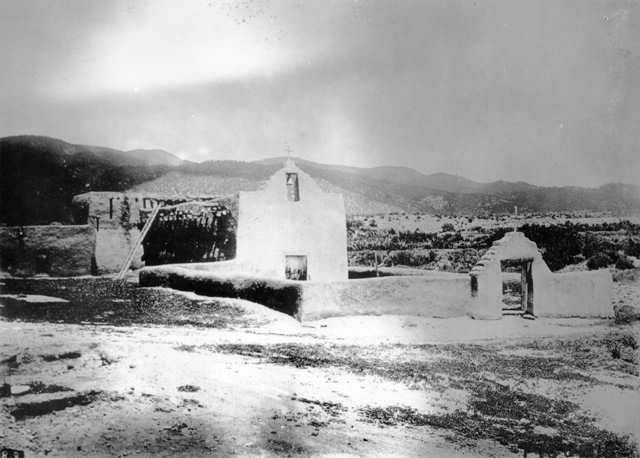
- San Lorenzo de Picurís church is a historic adobe building
- Annual Corn and Buffalo Dances are important community events
Who are the Picuris?
The Picuris are a Native American pueblo people who speak the Picuris dialect of Northern Tiwa. They are one of the Eight Northern Pueblos of New Mexico and maintain a distinct community at Picuris Pueblo, known in their own language as P'įwweltha. Their identity is rooted in their language, shared traditions, and their historic and ongoing presence in the mountains of northern New Mexico. The community is small but active, preserving both traditional and adopted practices.
Where do the Picuris live?
Picuris Pueblo lies on the western slopes of the Sangre de Cristo Mountains, about 18 miles south of Taos Pueblo. The land is high, with elevations over 7,000 feet, and is shaped by the Rio Santa Barbara and Rio Pueblo, which join near the pueblo to form Embudo Creek. The area is mountainous, with forests and streams, and forms part of the upper Rio Grande watershed.
What language do the Picuris speak?
The Picuris speak a dialect of Northern Tiwa, which belongs to the Kiowa-Tanoan language family. The language is central to their identity and is still spoken in the community. Picuris Tiwa is distinct from other Tiwa dialects and is used in daily life and ceremonies, though the number of fluent speakers is small.
How do the Picuris live?
Traditionally, the Picuris have farmed the land, growing crops suited to the high mountain environment. Today, they are also known for their crafts, especially micaceous pottery, which is made from local clay and is both functional and decorative. Some community members work in nearby towns or in tribal enterprises. The pueblo maintains a buffalo herd and offers fishing at Pu-La Lake. Tourism, including a museum and arts fair, also supports the community.
How is Picuris society organised?
Picuris Pueblo is governed by elected tribal officers, including a governor and lieutenant governor. The community is organized around extended families and maintains traditional forms of decision-making. Social life centers on the pueblo, with shared ceremonies, feast days, and dances. Family and community ties remain strong, even as many tribal members live outside the pueblo.

What do the Picuris believe?
The Picuris blend traditional Tiwa spiritual practices with Catholicism, a result of Spanish influence. The San Lorenzo de Picurís church is a focal point for religious life. Major ceremonies include the Corn Dance, Buffalo Dance, and the feast of San Lorenzo. Art and music are important, especially pottery, weaving, and beadwork, which are displayed and sold at the pueblo museum and fairs.
The history of the Picuris
The ancestors of the Picuris once lived in Chaco Canyon and later at Pot Creek near Taos. Around 1250 CE, they settled at their current site. In the 15th century, Picuris was one of the largest Tiwa pueblos. The people took part in the Pueblo Revolt against Spanish rule in the late 17th century and later allied with the Spanish against Plains tribes. Spanish colonization brought Catholicism and changes to traditional life. The community was dispersed for a time but returned and rebuilt. In the 20th century, the Picuris regained self-government and revived traditional customs.
Picuris life today
Picuris Pueblo remains one of the smallest Tiwa communities, with 83 residents in 2020. The tribe is federally recognized and maintains its own government. The pueblo faces economic challenges, but continues to preserve its language, crafts, and ceremonies. Tourism, buffalo herding, and arts support the community. The Picuris actively maintain their traditions while adapting to modern life.
Questions people ask about the Picuris
Where do the Picuris live?
The Picuris live at Picuris Pueblo in Taos County, on the western slopes of the Sangre de Cristo Mountains in northern New Mexico, United States.
How many Picuris people are there?
According to the 2020 United States census, there were 83 residents at Picuris Pueblo.
What language do the Picuris speak?
They speak the Picuris dialect of Northern Tiwa, which is part of the Kiowa-Tanoan language family.
What are the Picuris known for?
They are known for their micaceous pottery, traditional dances, and maintaining a buffalo herd.
Are the Picuris a federally recognized tribe?
Yes, the Picuris are a federally recognized tribe in the United States.
Sources and further reading
- Picuris Pueblo, New Mexico on WikipediaEncyclopedia
- Official websiteOfficial site
- More photos on Wikimedia CommonsPhotos
- Wikidata recordOpen data
This page was written with AI assistance from the sources above and checked automatically before publishing. It may contain mistakes, and it is no substitute for hearing from the Picuris themselves. If something is wrong, tell us. Last refreshed 2026-10-02.
Neighbours in the United States
All peoples of the United States Nambé PuebloNa̧nbeˀ Ówîngeh
🇺🇸 United StatesA Tewa-speaking Pueblo community in northern New Mexico
About 568, Kiowa-Tanoan
Nambé PuebloNa̧nbeˀ Ówîngeh
🇺🇸 United StatesA Tewa-speaking Pueblo community in northern New Mexico
About 568, Kiowa-Tanoan
 Ysleta del Sur PuebloChiawipia
🇺🇸 United StatesSouthern Tiwa Pueblo community in El Paso, Texas
About 4,000, Kiowa-Tanoan
Ysleta del Sur PuebloChiawipia
🇺🇸 United StatesSouthern Tiwa Pueblo community in El Paso, Texas
About 4,000, Kiowa-Tanoan
 Jewsיהודים
🇮🇱 Israel and 11 moreAn ethnoreligious group with ancient roots in Israel and a global presence today
About 15 million
Jewsיהודים
🇮🇱 Israel and 11 moreAn ethnoreligious group with ancient roots in Israel and a global presence today
About 15 million
 Uyghursئۇيغۇرلار / Уйғурлар / Uyghurlar
🇨🇳 China and 12 moreA Turkic people of Xinjiang, China, with deep roots in Central Asia
About 12 million, Turkic (Karluk branch)
Uyghursئۇيغۇرلار / Уйғурлар / Uyghurlar
🇨🇳 China and 12 moreA Turkic people of Xinjiang, China, with deep roots in Central Asia
About 12 million, Turkic (Karluk branch)