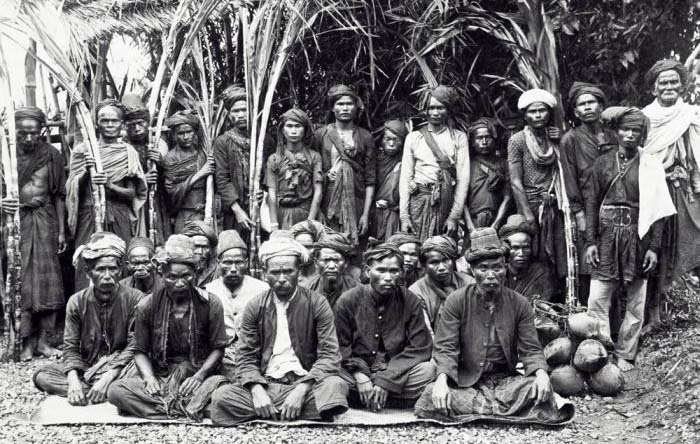
Gayo
They call themselves Urang Gayo
Highland people of Aceh known for oral tradition and unique dances
The Gayo are an Austronesian people living mainly in the highlands of Aceh, Sumatra, Indonesia, with a population of about 336,856. They speak the Gayo language, maintain strong oral traditions, and are recognized for their distinctive dances, crafts, and local form of Sunni Islam.
Who are the Gayo?
The Gayo are an indigenous people of the highlands in Aceh, Sumatra. Their identity is shaped by their language, oral traditions, and shared history. The Gayo maintain a strong sense of community through storytelling, traditional arts, and local customs. Their society is closely knit, with ties based on kinship and region. The Gayo have a distinct culture within the broader Acehnese context, marked by their dances, music, and crafts.
Where do the Gayo live?
The Gayo live mainly in the Barisan Mountains, a long mountain range with elevations over 12,000 feet, stretching across Aceh in northern Sumatra. Most Gayo communities are found in Bener Meriah, Central Aceh, and Gayo Lues regencies, with smaller groups in surrounding districts. The highland landscape is rugged and cool, supporting farming and coffee cultivation.
What language do the Gayo speak?
The Gayo speak the Gayo language, which belongs to the Austronesian family. It has five main dialects: Bukit, Dëret, Lues, Lut, and Serbejadi-Lukup. Gayo is traditionally unwritten, with stories, poetry, and folklore passed down orally. Indonesian and Acehnese are also spoken, especially in education and wider communication.
How do the Gayo live?
Most Gayo people make a living through farming, especially growing vegetables and coffee, which became important during Dutch colonial times. They also practice crafts and trade. Traditional houses, called umah, are built from local materials and reflect their highland environment. Food includes dishes such as Masam Jaeng and Lepat, and daily life is shaped by the rhythms of agriculture.
How is Gayo society organised?
Gayo society is organized around kinship and local regions. While surnames are not widely used, some families in Bebesen retain them for tracing lineage. Decision-making often involves elders and local leaders. Marriage and family ties are important, and oral tradition plays a central role in maintaining social bonds and transmitting knowledge.


What do the Gayo believe?
The Gayo are Sunni Muslims, practicing a local form of Islam that incorporates older traditions. Rituals, offerings, and respect for ancestors and holy men remain part of their culture. Art and music are important, with dances like Didong, Saman, and Guel performed at ceremonies. Traditional clothing includes the upuh ulen-ulen cloth, and oral poetry is a valued art.
The history of the Gayo
The Gayo trace their history to the Linge Kingdom, established in the 11th century. Their leaders and descendants played roles in founding other kingdoms in Sumatra and beyond. The Dutch colonized the Gayo highlands in the early 20th century, leading to changes in economy and education. Despite outside influences, the Gayo have preserved much of their culture and oral history.
Gayo life today
Today, the Gayo number over 330,000 and remain concentrated in the Aceh highlands. They continue to farm, especially coffee, and maintain their language and traditions. While Indonesian and Acehnese are widely spoken, efforts to sustain Gayo language and arts persist. The community faces pressures from modernization but retains a strong cultural identity.
Questions people ask about the Gayo
Where do the Gayo live?
The Gayo live in Indonesia, in the Barisan Mountains highlands of Aceh, Sumatra.
How many Gayo people are there?
Our sources give the Gayo population as 336,856. Counts of peoples vary with who is counted and when.
What language do the Gayo speak?
The Gayo speak Gayo, which belongs to the Austronesian family of languages.
How do the Gayo make a living?
The Gayo are known for settled farming and craft and trade. Like most peoples, they combine several ways of making a living, and these have changed over time.
Sources and further reading
This page was written with AI assistance from the sources above and checked automatically before publishing. It may contain mistakes, and it is no substitute for hearing from the Gayo themselves. If something is wrong, tell us. Last refreshed 2026-10-02.
Neighbours in Indonesia
All peoples of Indonesia MalaysOrang Melayu
🇲🇾 Malaysia and 4 moreAustronesian people of the Malay Peninsula, Sumatra, Borneo and nearby islands
About 30 million, Austronesian
MalaysOrang Melayu
🇲🇾 Malaysia and 4 moreAustronesian people of the Malay Peninsula, Sumatra, Borneo and nearby islands
About 30 million, Austronesian
 Minangkabaubangso Minangkabau
🇮🇩 Indonesia and 3 moreMatrilineal Muslim society from the highlands of West Sumatra
About 6.6 million, Austronesian
Minangkabaubangso Minangkabau
🇮🇩 Indonesia and 3 moreMatrilineal Muslim society from the highlands of West Sumatra
About 6.6 million, Austronesian
 Sundaneseᮅᮛᮀ ᮞᮥᮔ᮪ᮓ (Urang Sunda)
🇮🇩 Indonesia and 3 moreThe native people of western Java, Indonesia, known for their language and traditions
About 42 million, Austronesian
Sundaneseᮅᮛᮀ ᮞᮥᮔ᮪ᮓ (Urang Sunda)
🇮🇩 Indonesia and 3 moreThe native people of western Java, Indonesia, known for their language and traditions
About 42 million, Austronesian
 Balineseanak Bali
🇮🇩 IndonesiaHindu-majority people of Bali, known for art, dance, and water-temple farming
About 3.9 million, Austronesian
Balineseanak Bali
🇮🇩 IndonesiaHindu-majority people of Bali, known for art, dance, and water-temple farming
About 3.9 million, Austronesian
Other Austronesian speakers
See them all Sama-BajauSama
🇵🇭 Philippines and 3 moreSeafaring Austronesian people of the southern Philippines, Borneo, and eastern Indonesia
About 1.3 million, Austronesian
Sama-BajauSama
🇵🇭 Philippines and 3 moreSeafaring Austronesian people of the southern Philippines, Borneo, and eastern Indonesia
About 1.3 million, Austronesian
 TorajaTo Raya
🇮🇩 IndonesiaHighland people of South Sulawesi known for elaborate funerals and tongkonan houses
About 1.1 million, Austronesian
TorajaTo Raya
🇮🇩 IndonesiaHighland people of South Sulawesi known for elaborate funerals and tongkonan houses
About 1.1 million, Austronesian
 MadureseOrèng Mâdhurâ
🇮🇩 Indonesia and 2 moreCattle herders and satay makers from Madura Island and eastern Java
About 7.2 million, Austronesian
MadureseOrèng Mâdhurâ
🇮🇩 Indonesia and 2 moreCattle herders and satay makers from Madura Island and eastern Java
About 7.2 million, Austronesian
 IbanDayak Iban
🇲🇾 Malaysia and 2 moreDayak people of northwestern Borneo, known for longhouses and weaving
About 740,000, Austronesian
IbanDayak Iban
🇲🇾 Malaysia and 2 moreDayak people of northwestern Borneo, known for longhouses and weaving
About 740,000, Austronesian