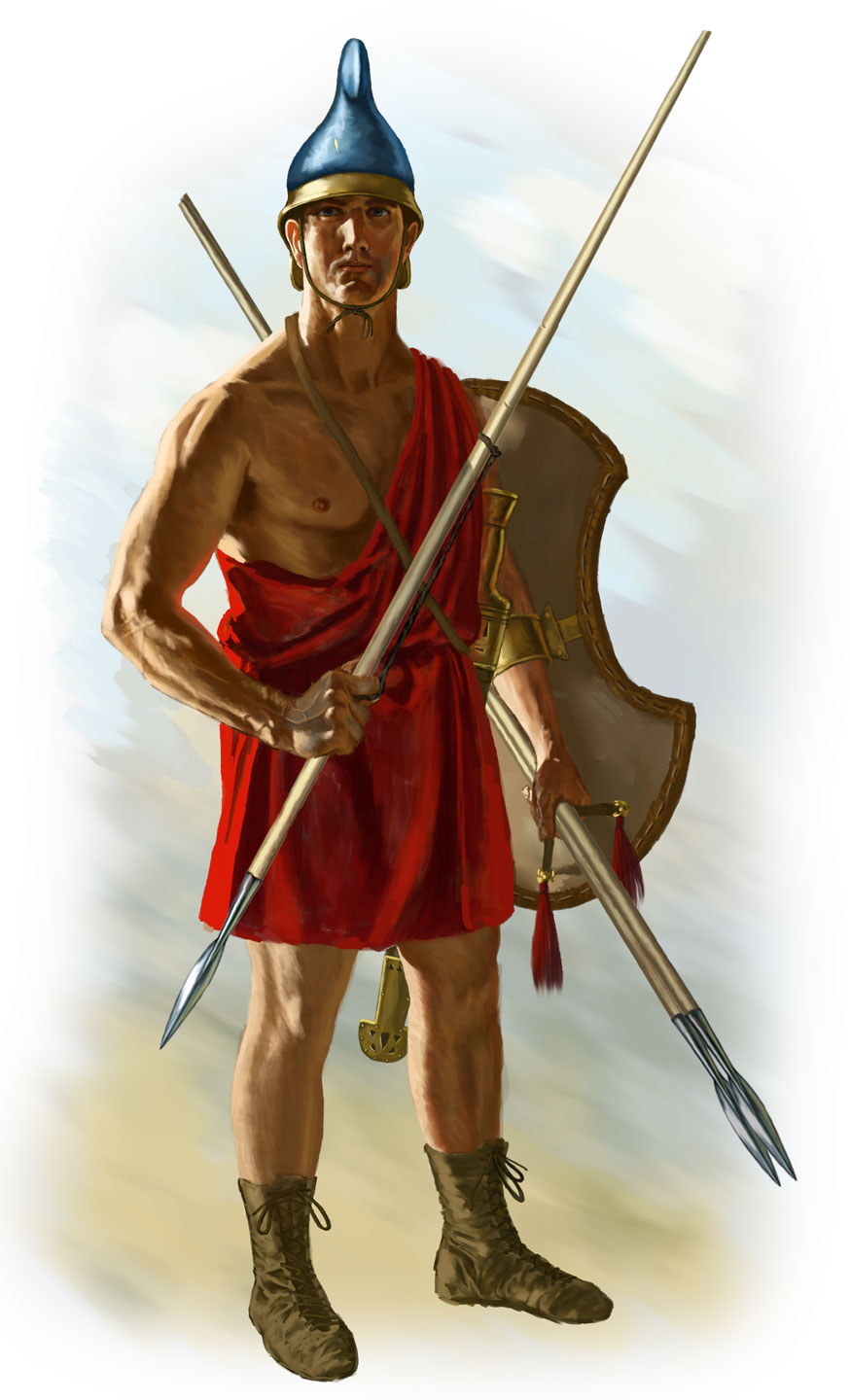
Agrianes
Ancient Paeonian tribe of the Upper Strymon region
The Agrianes were a Paeonian tribe whose homeland lay around the Upper Strymon river, in what is now western Bulgaria and southeastern Serbia. Known for their elite light infantry, they served as peltasts in the armies of Philip II and Alexander the Great. Their territory was once administered by Pella, and they played a key role in several major battles of the ancient world.
Who were the Agrianes?
The Agrianes were an ancient tribe identified as Paeonian, though at times associated with Thracians. Their community was centered around the Upper Strymon river, in present-day western Bulgaria and southeastern Serbia. They are best remembered for their skilled warriors, especially as elite light infantry (peltasts) in the Macedonian army. The Agrianes maintained a distinct identity through their military reputation and their homeland, and were known as reliable allies to the Macedonian kings.
Where did the Agrianes live?
The Agrianes lived in the region of the Upper Strymon river, an area that today covers central and eastern parts of Bulgaria’s Pernik Province and southeastern Serbia. Their territory included mountainous and river valley landscapes, providing both arable land and natural defenses. The source of the Strymon river was within their domain. Some researchers connect their homeland to the modern region of Graovo.
What language did the Agrianes speak?
The sources do not specify the language spoken by the Agrianes. They are described as a Paeonian tribe, and their ethnonym is of Indo-European origin, possibly related to Greek. No details about the survival or characteristics of their language are given.
How did the Agrianes live?
The Agrianes are noted for their role as peltasts—light infantry skilled with javelins and swords—in the Macedonian army, suggesting a tradition of martial training. Their homeland’s fertile valleys likely supported farming. As peltasts, they were paid soldiers, often deployed in key military campaigns. Their equipment was light, favoring mobility over heavy armor, and they excelled in skirmishing and flanking maneuvers.
How was Agrianes society organised?
Little is directly recorded about Agrianes social organization. As a tribe, they were led by their own kings, such as Langarus, and could negotiate alliances and self-governance. Their ability to field specialized military units indicates some level of internal organization and cohesion. They were considered reliable allies and were rewarded by Macedonian rulers with autonomy for their loyalty.
What did the Agrianes believe?
The sources do not detail the religious beliefs or rituals of the Agrianes. As a Paeonian tribe, their spiritual life may have shared elements with neighboring peoples, but no specific practices, deities, or artistic traditions are recorded.
The history of the Agrianes
The Agrianes are first mentioned in connection with Persian campaigns in the early 5th century BC. By the 4th century BC, they were subjects of the Odrysian kingdom, then became allies of Philip II of Macedon. Under King Langarus, they aided Alexander the Great against the Triballians and were granted self-governance. Agrianian peltasts fought in key battles such as Gaugamela and served in the armies of the Seleucid Empire. Their military reputation endured through the Hellenistic period.
What became of the Agrianes?
The Agrianes no longer exist as a distinct community. Their ancient homeland is now part of Bulgaria and Serbia. Modern regions such as Graovo may preserve echoes of their name, but their language, traditions, and identity have not survived into the present.
Questions people ask about the Agrianes
Where did the Agrianes live?
The Agrianes lived in Bulgaria, Serbia and Greece, in the Upper Strymon valley, central western Bulgaria and southeastern Serbia.
How did the Agrianes make a living?
The Agrianes were known for settled farming and towns and wage work. Like most peoples, they combined several ways of making a living, and these changed over time.
Sources and further reading
This page was written with AI assistance from the sources above and checked automatically before publishing. It may contain mistakes, and it is no substitute for hearing from the Agrianes themselves. If something is wrong, tell us. Last refreshed 2026-10-02.
Neighbours in Bulgaria
All peoples of Bulgaria Scordisci
🇷🇸 Serbia and 2 moreA mixed people of the central Balkans, active from the 3rd to 1st century BC
Historical
Smolyani
🇧🇬 BulgariaA medieval Slavic tribe of the Rhodope Mountains and Mesta River valley
Historical
Scordisci
🇷🇸 Serbia and 2 moreA mixed people of the central Balkans, active from the 3rd to 1st century BC
Historical
Smolyani
🇧🇬 BulgariaA medieval Slavic tribe of the Rhodope Mountains and Mesta River valley
Historical
 GagauzGagauzlar
🇲🇩 Moldova and 8 moreA Turkic-speaking Orthodox Christian people of southern Moldova and Ukraine
About 150,000, Turkic
GagauzGagauzlar
🇲🇩 Moldova and 8 moreA Turkic-speaking Orthodox Christian people of southern Moldova and Ukraine
About 150,000, Turkic