Ngāi Tahu
The principal Māori iwi of New Zealand's South Island
Ngāi Tahu, also known as Kāi Tahu, are the main Māori tribe of New Zealand's South Island, with a tribal area stretching from the northern tip to Stewart Island. Today, about 85,000 people affiliate with Ngāi Tahu, who are known for their large tribal territory, rich ancestry, and a history of migration, alliances, and adaptation.
- Ngāi Tahu's tribal area is the largest in New Zealand
- About 85,000 people identify as Ngāi Tahu (2023 census)
- The iwi is made up of 18 rūnanga (governance areas)
- Ngāi Tahu trace descent from the ancestor Tahupōtiki
- Their homeland covers the entire South Island
Who are the Ngāi Tahu?
Ngāi Tahu, sometimes called Kāi Tahu, are the largest Māori iwi (tribe) of New Zealand's South Island. Their identity is rooted in descent from the ancestor Tahupōtiki and a history of migration from the North Island. The iwi is made up of several hapū (sub-tribes), including Ngāti Kurī, Ngāti Irakehu, Kāti Huirapa, Ngāi Tūāhuriri, and Ngāi Te Ruahikihiki. Their sense of unity comes from shared ancestry, traditional stories, and a large tribal territory. Today, Ngāi Tahu people have a mix of Māori and European heritage, but maintain strong cultural ties and governance through 18 rūnanga (local councils).
Where do the Ngāi Tahu live?
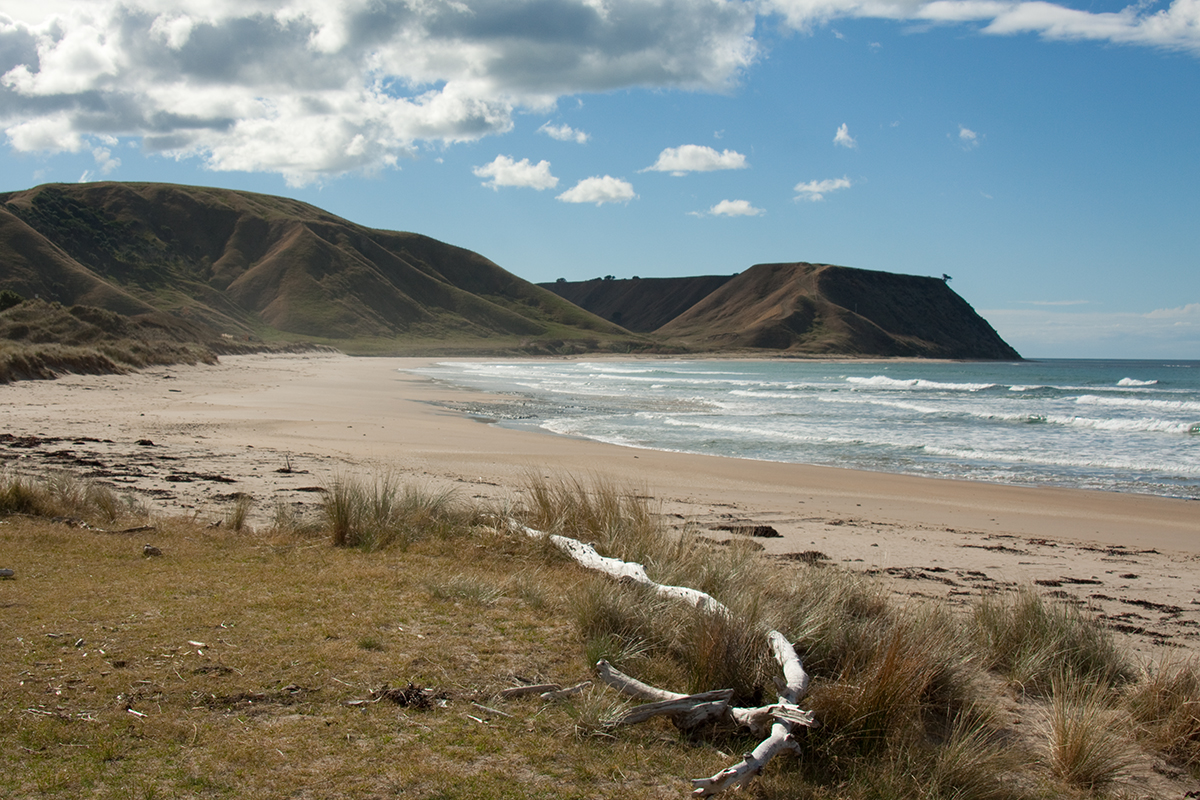
Ngāi Tahu's homeland covers the South Island of New Zealand, stretching from White Bluffs and Kahurangi Point in the north to Stewart Island in the south. This region includes mountains, rivers, coasts, and fertile plains. The iwi's takiwā (tribal area) is the largest in the country, and is divided into 18 rūnanga that correspond to traditional settlements. The landscape is important for food gathering, settlement, and cultural identity.
What language do the Ngāi Tahu speak?
Ngāi Tahu speak Māori, part of the Austronesian language family. The language is central to cultural identity and traditional knowledge. While English is widely spoken today, efforts to revive and strengthen the use of Māori continue within the iwi and across New Zealand.
How do the Ngāi Tahu live?
Traditionally, Ngāi Tahu made their living through fishing, foraging, and farming, using the rich resources of the South Island's rivers, coasts, and forests. They built pā (fortified villages) and used canoes for travel and fishing. Crafts such as carving and weaving were important for daily life and ceremonial use. Today, many Ngāi Tahu work in towns and cities, but traditional food gathering and crafts remain important.
How is Ngāi Tahu society organised?
Ngāi Tahu society is organised around hapū (sub-tribes) and whānau (extended families). Descent is traced through ancestors, especially Tahupōtiki. Marriage and alliances with other iwi have shaped their history. Leadership is provided by chiefs and, today, rūnanga (governance bodies) representing different regions. Decision-making often involves consultation and consensus within the community.


What do the Ngāi Tahu believe?
Ngāi Tahu beliefs centre on ancestral stories, respect for the land, and traditional practices. Rituals, art, and music are important in marking life events and maintaining connections to ancestors. Carving, weaving, and oral storytelling are valued traditions. Dress in the past included cloaks and adornments made from local materials.
The history of the Ngāi Tahu
Ngāi Tahu trace their origins to the ancestor Tahupōtiki and migrated from the Gisborne District in the North Island. Over centuries, they moved south, sometimes through conflict and alliances with other iwi such as Ngāti Porou, Ngāti Kahungunu, Kāti Māmoe, and Waitaha. By the late 17th century, they had settled much of the South Island. In the 19th century, European colonisation brought new challenges, including land loss, conflict, and intermarriage. Ngāi Tahu history is marked by adaptation and resilience.
Ngāi Tahu life today
Today, Ngāi Tahu are a vibrant community of nearly 85,000 people. They maintain cultural practices, language, and governance structures. While many live in cities, connections to traditional lands remain important. The iwi continues to address issues of land, rights, and cultural revival, and plays a significant role in New Zealand society.
Questions people ask about the Ngāi Tahu
Where do Ngāi Tahu live?
Ngāi Tahu live mainly in the South Island of New Zealand, from the northern tip near Blenheim to Stewart Island in the south. Their tribal area is the largest in the country.
How many Ngāi Tahu are there?
According to the 2023 census, about 84,969 people are affiliated with Ngāi Tahu.
What language do Ngāi Tahu speak?
Ngāi Tahu speak Māori, which is part of the Austronesian language family. English is also widely spoken.
What are the main sub-tribes of Ngāi Tahu?
The main hapū (sub-tribes) of Ngāi Tahu are Ngāti Kurī, Ngāti Irakehu, Kāti Huirapa, Ngāi Tūāhuriri, and Ngāi Te Ruahikihiki.
What is Ngāi Tahu best known for?
Ngāi Tahu are known for their large tribal territory in the South Island, rich ancestry, and a history of migration, alliances, and adaptation.
Sources and further reading
- Ngāi Tahu on WikipediaEncyclopedia
- Official websiteOfficial site
- Encyclopaedia BritannicaArticle
- Wikidata recordOpen data
This page was written with AI assistance from the sources above and checked automatically before publishing. It may contain mistakes, and it is no substitute for hearing from the Ngāi Tahu themselves. If something is wrong, tell us. Last refreshed 2026-10-02.
Neighbours in New Zealand
All peoples of New Zealand Ngāti Kahungunu
🇳🇿 New ZealandA major Māori iwi of New Zealand’s eastern North Island
About 82,000, Austronesian
Ngāti Kahungunu
🇳🇿 New ZealandA major Māori iwi of New Zealand’s eastern North Island
About 82,000, Austronesian
 Ngāpuhi
🇳🇿 New ZealandLargest Māori iwi of New Zealand's Northland region
About 184,000, Austronesian
Ngāpuhi
🇳🇿 New ZealandLargest Māori iwi of New Zealand's Northland region
About 184,000, Austronesian
 Ngāti Porou
🇳🇿 New ZealandA large Māori iwi from the East Cape and Gisborne regions of New Zealand
About 102,000, Austronesian
Ngāti Porou
🇳🇿 New ZealandA large Māori iwi from the East Cape and Gisborne regions of New Zealand
About 102,000, Austronesian
 Ngāti Toa
🇳🇿 New ZealandA Māori iwi based around Porirua and the northern South Island of New Zealand
About 10,000, Austronesian
Ngāti Toa
🇳🇿 New ZealandA Māori iwi based around Porirua and the northern South Island of New Zealand
About 10,000, Austronesian
Other Austronesian speakers
See them all MalaysOrang Melayu
🇲🇾 Malaysia and 4 moreAustronesian people of the Malay Peninsula, Sumatra, Borneo and nearby islands
About 30 million, Austronesian
MalaysOrang Melayu
🇲🇾 Malaysia and 4 moreAustronesian people of the Malay Peninsula, Sumatra, Borneo and nearby islands
About 30 million, Austronesian
 Minangkabaubangso Minangkabau
🇮🇩 Indonesia and 3 moreMatrilineal Muslim society from the highlands of West Sumatra
About 6.6 million, Austronesian
Minangkabaubangso Minangkabau
🇮🇩 Indonesia and 3 moreMatrilineal Muslim society from the highlands of West Sumatra
About 6.6 million, Austronesian
 Sundaneseᮅᮛᮀ ᮞᮥᮔ᮪ᮓ (Urang Sunda)
🇮🇩 Indonesia and 3 moreThe native people of western Java, Indonesia, known for their language and traditions
About 42 million, Austronesian
Sundaneseᮅᮛᮀ ᮞᮥᮔ᮪ᮓ (Urang Sunda)
🇮🇩 Indonesia and 3 moreThe native people of western Java, Indonesia, known for their language and traditions
About 42 million, Austronesian
 Balineseanak Bali
🇮🇩 IndonesiaHindu-majority people of Bali, known for art, dance, and water-temple farming
About 3.9 million, Austronesian
Balineseanak Bali
🇮🇩 IndonesiaHindu-majority people of Bali, known for art, dance, and water-temple farming
About 3.9 million, Austronesian