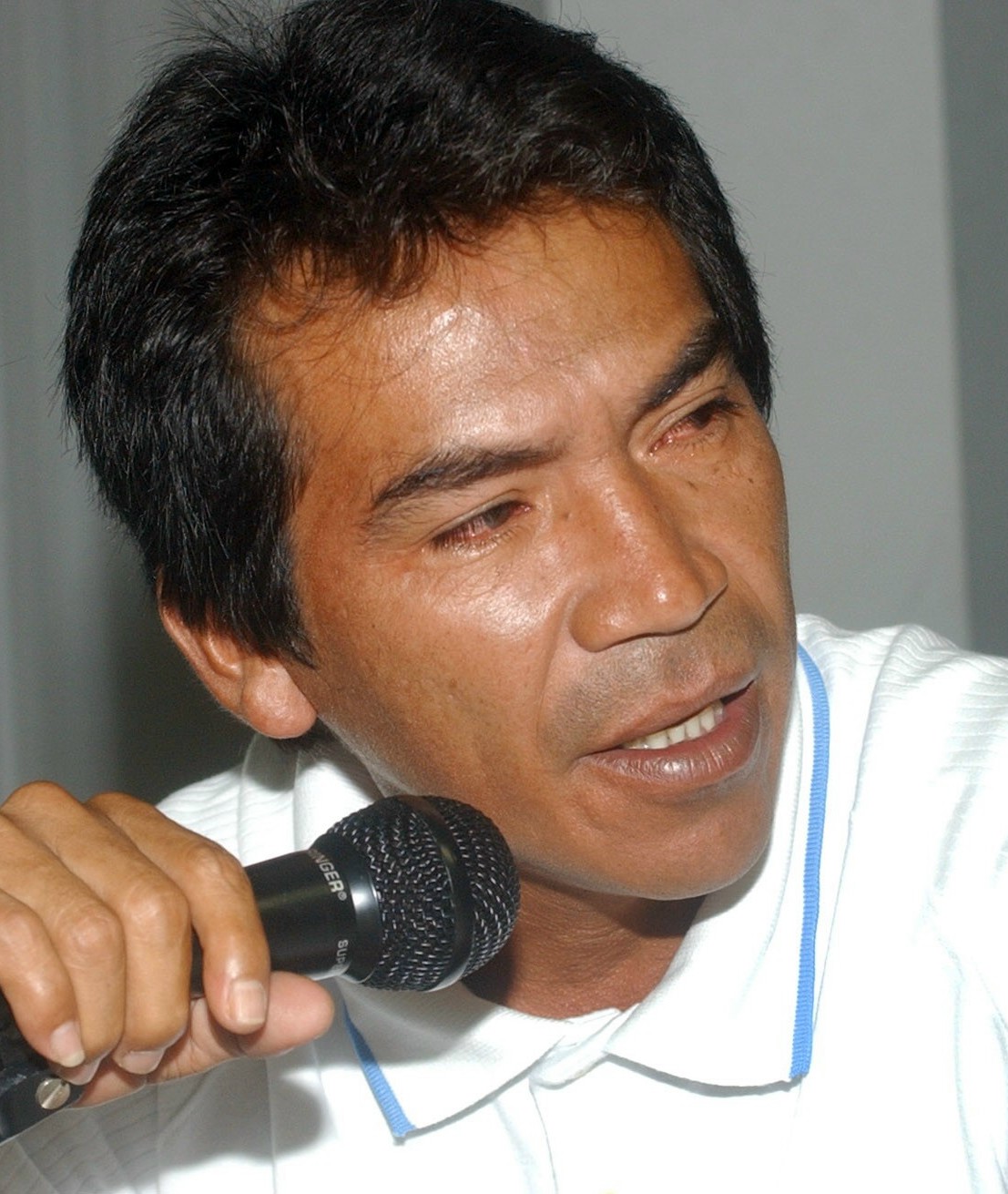
Potiguara
Indigenous people of Paraíba, Brazil, known as 'shrimp-eaters'
The Potiguara are an Indigenous people living in the state of Paraíba, Brazil, mainly in the municipalities of Marcação, Baía da Traição, and Rio Tinto. Numbering over 16,000, they live in 26 villages across three reservations and are known for their historical alliance with the Portuguese during colonial times.
Who are the Potiguara?
The Potiguara are an Indigenous people native to the northeastern coast of Brazil, specifically in Paraíba state. Their name means 'shrimp-eaters', reflecting a connection to local aquatic resources. Today, they are organized in 26 villages across three officially recognized Indigenous territories. The Potiguara maintain a sense of identity through shared language, history, and community life. Their society has persisted through centuries of change, including colonial alliances and the pressures of modern Brazil.
Where do the Potiguara live?
The Potiguara live along the coast of Paraíba, in northeastern Brazil. Their villages are found in the municipalities of Marcação, Baía da Traição, and Rio Tinto. The area is characterized by coastal plains, rivers, and access to the Atlantic Ocean, which has shaped their traditional diet and way of life. Their lands are divided into three main reservations: Potiguara, Jacaré de São Domingos, and Potiguara de Monte-Mor.
What language do the Potiguara speak?
The Potiguara speak both their own language, Potiguara, and Portuguese. The sources do not state how widely the Potiguara language is spoken today or its current status. Portuguese is commonly used in daily life, reflecting the influence of broader Brazilian society.
How is Potiguara society organised?
The Potiguara live in 26 villages and are organized within three Indigenous territories. The sources do not describe their clan or family structure in detail, but community organization is central to their identity. Leadership roles have historical importance, as seen with chiefs like António Filipe Camarão. Decisions affecting the community are often made collectively, and traditional leadership continues to play a role in village life.
The history of the Potiguara
During Brazil's colonial period, the Potiguara allied with the Portuguese, particularly during the Dutch invasions. António Filipe Camarão, a Potiguara chief, was recognized by the Portuguese crown for his service against the Dutch, receiving a noble title and membership in the Order of Christ. Indigenous peoples, including the Potiguara, were recruited by both sides during these conflicts. The Dutch were eventually expelled, and the Potiguara's loyalty to the Portuguese shaped their historical legacy.
Potiguara life today
Today, the Potiguara number over 16,000 and live in 26 villages across three reservations in Paraíba. They continue to maintain their communities and cultural identity despite historical and ongoing pressures. Their recognized Indigenous territories provide a legal basis for their land rights, though the sources do not detail current challenges or revival efforts.
Questions people ask about the Potiguara
Where do the Potiguara live?
The Potiguara live in Brazil, in the coastal Paraíba in northeastern Brazil.
How many Potiguara people are there?
Our sources give the Potiguara population as 16,095 (citation needed, July 2020); 18,445 (Wikidata). Counts of peoples vary with who is counted and when.
What language do the Potiguara speak?
The Potiguara speak Potiguara, Portuguese.
Sources and further reading
This page was written with AI assistance from the sources above and checked automatically before publishing. It may contain mistakes, and it is no substitute for hearing from the Potiguara themselves. If something is wrong, tell us. Last refreshed 2026-10-02.
Neighbours in Brazil
All peoples of Brazil Jewsיהודים
🇮🇱 Israel and 11 moreAn ethnoreligious group with ancient roots in Israel and a global presence today
About 15 million
Jewsיהודים
🇮🇱 Israel and 11 moreAn ethnoreligious group with ancient roots in Israel and a global presence today
About 15 million
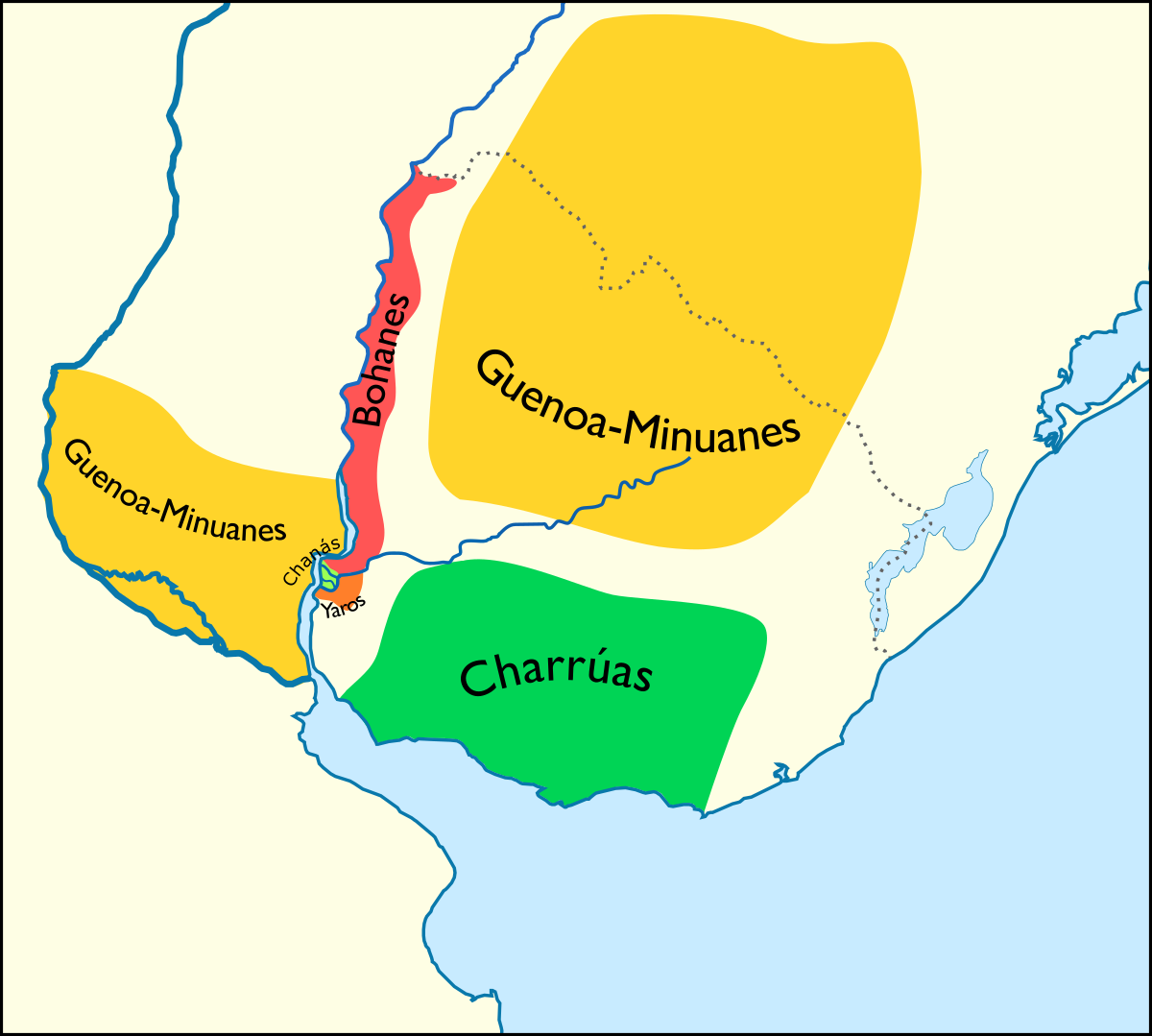 CharrúaCharrua
🇺🇾 Uruguay and 2 moreSemi-nomadic Indigenous people of Uruguay, Argentina, and Brazil
About 159,000
CharrúaCharrua
🇺🇾 Uruguay and 2 moreSemi-nomadic Indigenous people of Uruguay, Argentina, and Brazil
About 159,000
 Pataxó
🇧🇷 BrazilIndigenous people of Bahia, Brazil, reviving their language and culture
About 12,000
Aikanã
🇧🇷 BrazilIndigenous people of Rondônia, western Amazonian lowlands
About 350
Pataxó
🇧🇷 BrazilIndigenous people of Bahia, Brazil, reviving their language and culture
About 12,000
Aikanã
🇧🇷 BrazilIndigenous people of Rondônia, western Amazonian lowlands
About 350