
Tswana
They call themselves Batswana
A Bantu-speaking people of Southern Africa, central to Botswana and South Africa
The Tswana, or Batswana, are a Bantu-speaking people native to Southern Africa, especially Botswana and South Africa. They number several million and are known for their traditional chiefdoms, cattle-based economy, and the Setswana language, which is an official language in both Botswana and South Africa.
- Tswana make up about 85% of Botswana's population (2011)
- Setswana is an official language in Botswana and South Africa
- Traditional wealth is measured in cattle
- Chiefdoms and clans are central to Tswana society
- First complete Bible in a Sub-Saharan African language was in Setswana (1857)
Who are the Tswana?
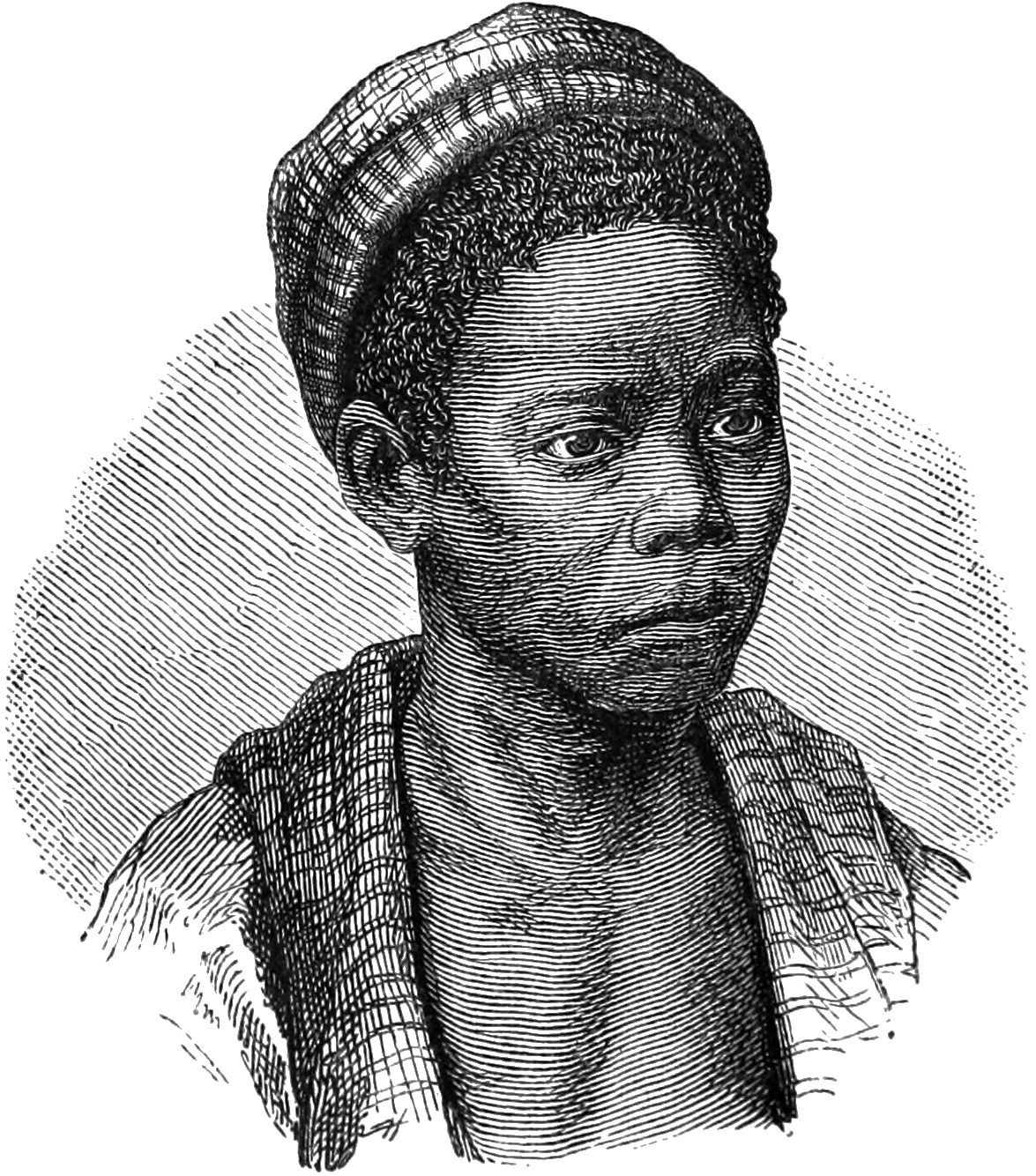
The Tswana, or Batswana, are a Bantu-speaking people whose communities are bound by shared language, customs, and a strong tradition of chiefdoms (merafe). They are organised into clans and lineages, with each major group led by a chief (kgosi). The Tswana are united by the Setswana language and a heritage of cattle herding, farming, and customary law. Their society values kinship, communal decision-making, and respect for elders and chiefs. Today, Tswana identity is expressed both in rural villages and urban areas across Botswana, South Africa, and neighbouring countries.
Where do the Tswana live?
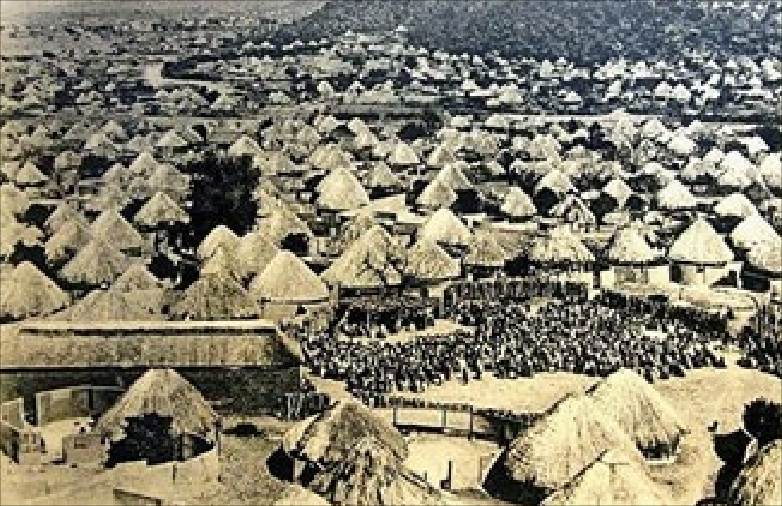
The Tswana live mainly in southern and eastern Botswana and the North West, Northern Cape, Gauteng, and Free State provinces of South Africa. Their homeland includes grasslands, savannas, and semi-arid regions well suited to cattle herding and farming. Historic Tswana settlements, such as Toutswe and Kaditshwene, were located near water sources and fertile land. The Okavango region in Botswana and the Suikerbosrand area in South Africa are also important in Tswana history.
What language do the Tswana speak?
The Tswana speak Setswana, a Bantu language closely related to Sotho and Pedi. Setswana is an official language in both Botswana and South Africa, and is widely spoken in homes, schools, and public life. Early missionary work led to the development of written Setswana, and the first complete Bible in a Sub-Saharan African language was published in Setswana in 1857. Today, Setswana remains a strong marker of Tswana identity.
How do the Tswana live?
Traditionally, the Tswana have relied on cattle herding and farming for their livelihoods. Cattle are central to wealth and social status, and kraals (enclosures) are a common feature of Tswana homesteads. Farming of crops such as sorghum and maize is also important. Craft production, including pottery, basket weaving, woodworking, and metalworking, has long been practiced, with women often making pottery and men working with wood and metal. Many Tswana now also work in towns and cities.
How is Tswana society organised?
Tswana society is organised around clans and lineages, with descent traced through the male line. Each major group is led by a chief (kgosi), who governs with the help of advisory councils and traditional institutions. Customary law regulates marriage, inheritance, and land use. Family ties are strong, and marriage often involves negotiations between families. Decision-making is communal, with public meetings (kgotla) playing a key role in resolving disputes and discussing community matters.


What do the Tswana believe?
The Tswana have a rich tradition of beliefs centred on Modimo, a supreme being, and ancestral spirits. Rituals, music, and dance are important in marking life events and seasons. With the arrival of European missionaries in the 19th century, Christianity spread widely, and many Tswana today are Christian, though traditional beliefs and practices remain influential. Artistic expression includes pottery, basketry, and beadwork, often reflecting social and spiritual themes.
The history of the Tswana
The Tswana have lived in Southern Africa for centuries, developing chiefdoms and settlements such as Toutswe and Kaditshwene. Their society was shaped by cattle-based wealth, trade, and alliances. In the 19th century, the Tswana faced upheaval during the Difaqane wars, Boer incursions, and conflicts with the Ndebele. Missionary activity brought Christianity and literacy, and Setswana became one of the first African languages to be written. The Tswana played key roles in regional trade and politics, and their territories became the basis for modern Botswana and parts of South Africa.
Tswana life today
Today, the Tswana are one of the largest ethnic groups in Botswana and South Africa. Setswana is an official language in both countries. Many Tswana live in towns and cities, while others maintain rural traditions. The Tswana have political representation and traditional chiefs, but face pressures from urbanisation and economic change. Their language and cultural practices remain strong, and Tswana identity continues to adapt in modern Southern Africa.
Questions people ask about the Tswana
Where do the Tswana live?
The Tswana mainly live in Botswana and South Africa, especially in southern and eastern Botswana and the North West Province of South Africa. Smaller communities are also found in Namibia and Zimbabwe.
How many Tswana people are there?
There are about 2 million Tswana in Botswana, around 5 million Setswana-speakers in South Africa, about 10,967 in Namibia (2023 Census), and about 97,500 in Zimbabwe.
What language do the Tswana speak?
The Tswana speak Setswana, a Bantu language that is an official language in both Botswana and South Africa. Setswana is widely used in daily life, education, and government.
What are the main ways the Tswana make a living?
Traditionally, the Tswana rely on cattle herding and farming. Many also work in crafts such as pottery and basket weaving, and today, wage work in towns and cities is common.
What is the role of chiefs in Tswana society?
Chiefs (kgosi) lead Tswana clans and communities, governing with the help of advisory councils and traditional institutions. They play a key role in decision-making and maintaining customary law.
Sources and further reading
- Tswana people on WikipediaEncyclopedia
- Encyclopaedia BritannicaArticle
- More photos on Wikimedia CommonsPhotos
- Wikidata recordOpen data
This page was written with AI assistance from the sources above and checked automatically before publishing. It may contain mistakes, and it is no substitute for hearing from the Tswana themselves. If something is wrong, tell us. Last refreshed 2026-10-02.
Neighbours in Botswana
All peoples of Botswana Shona
🇿🇼 Zimbabwe and 4 moreThe largest Bantu-speaking group of Zimbabwe, known for stone sculpture and mbira music
About 16 million, Bantu
Shona
🇿🇼 Zimbabwe and 4 moreThe largest Bantu-speaking group of Zimbabwe, known for stone sculpture and mbira music
About 16 million, Bantu
 SothoBasotho
🇿🇦 South Africa and 4 moreA Sotho-Tswana people of Lesotho and South Africa, known for their language and history.
About 7.3 million, Bantu
SothoBasotho
🇿🇦 South Africa and 4 moreA Sotho-Tswana people of Lesotho and South Africa, known for their language and history.
About 7.3 million, Bantu
 ZuluamaZulu
🇿🇦 South Africa and 8 moreLargest ethnic group in South Africa, known for beadwork and the Umhlanga ceremony
About 11 million, Bantu (Nguni subgroup)
ZuluamaZulu
🇿🇦 South Africa and 8 moreLargest ethnic group in South Africa, known for beadwork and the Umhlanga ceremony
About 11 million, Bantu (Nguni subgroup)
 San
🇳🇦 Namibia and 5 moreIndigenous hunter-gatherers of southern Africa with ancient roots
About 160,000, Khoe, Kxʼa, and Tuu
San
🇳🇦 Namibia and 5 moreIndigenous hunter-gatherers of southern Africa with ancient roots
About 160,000, Khoe, Kxʼa, and Tuu
Other Bantu speakers
See them all KikuyuAgĩkũyũ
🇰🇪 KenyaLargest ethnic group of Kenya's central highlands, known for farming and rich traditions
About 8.1 million, Bantu
KikuyuAgĩkũyũ
🇰🇪 KenyaLargest ethnic group of Kenya's central highlands, known for farming and rich traditions
About 8.1 million, Bantu
 Ovambo
🇳🇦 Namibia and 1 moreLargest ethnic group of Namibia, also in southern Angola
About 2.2 million, Bantu
Ovambo
🇳🇦 Namibia and 1 moreLargest ethnic group of Namibia, also in southern Angola
About 2.2 million, Bantu
 Baganda
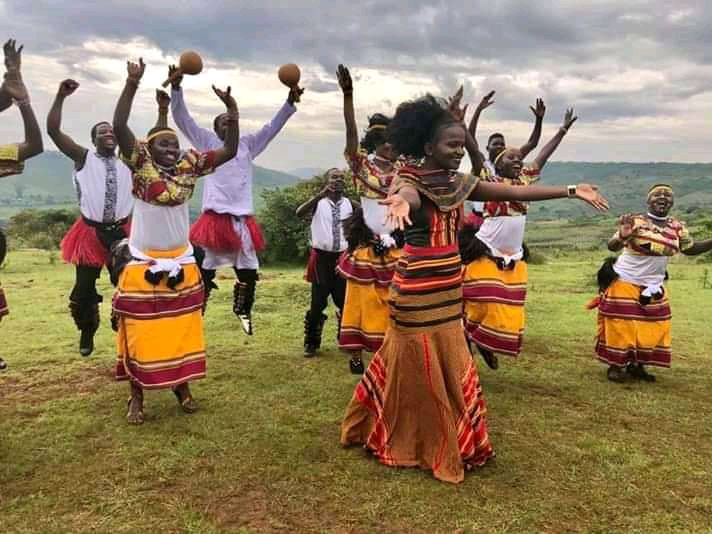
🇺🇬 UgandaLargest ethnic group of Uganda, organized by clans in the Buganda kingdom
About 7 million, Bantu
Baganda
🇺🇬 UgandaLargest ethnic group of Uganda, organized by clans in the Buganda kingdom
About 7 million, Bantu
 GogoWagogo
🇹🇿 TanzaniaBantu farmers and herders of Tanzania's Dodoma Region
About 1.3 million, Bantu
GogoWagogo
🇹🇿 TanzaniaBantu farmers and herders of Tanzania's Dodoma Region
About 1.3 million, Bantu