
Yanomami
Rainforest horticulturalists of northern Brazil and southern Venezuela
The Yanomami are Indigenous people living in about 200–250 villages in the Amazon rainforest on the border of northern Brazil and southern Venezuela. Numbering around 35,000, they are known for their communal shabono houses, shifting cultivation, and strong village autonomy.
- Live in communal shabono houses in the Amazon rainforest
- Practice shifting cultivation and hunting
- Speak Yanomaman languages unique to their region
- Known for ritual endocannibalism and shamanic healing
- Population around 35,000 in Brazil and Venezuela
Who are the Yanomami?
The Yanomami are Indigenous people of the Amazon rainforest, living in northern Brazil and southern Venezuela. They organize themselves in autonomous villages, each led by a headman but without a single leader for the whole group. Their sense of identity is rooted in kinship, shared rituals, and communal living under large, oval-shaped shabono houses. The Yanomami value village autonomy and maintain strong ties through marriage and alliances with neighboring communities.
Where do the Yanomami live?
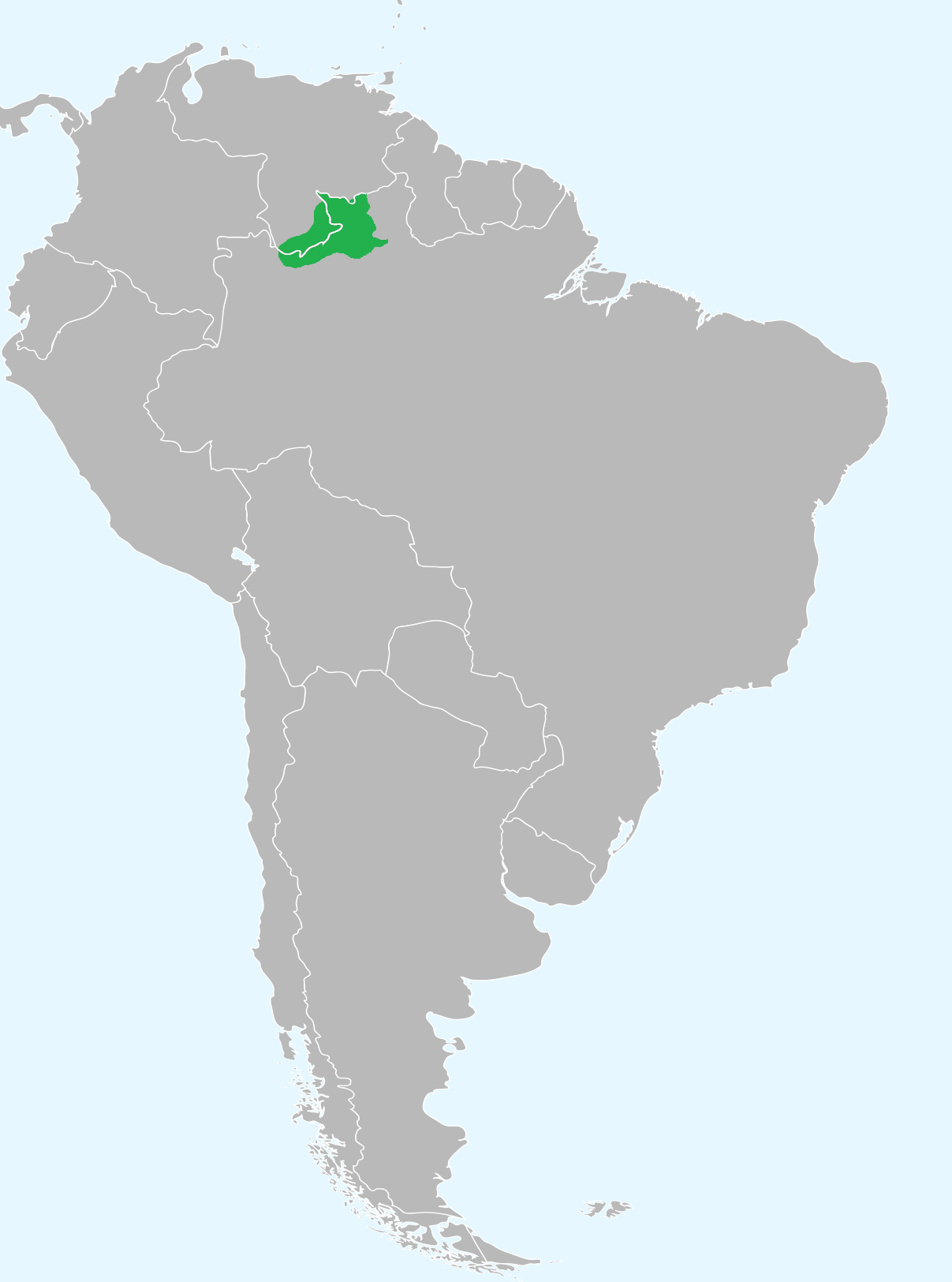
The Yanomami homeland is dense tropical rainforest along the border between Brazil and Venezuela. Their villages are scattered across remote, forested areas, often near rivers and streams that provide water and fish. The land is rich in plant and animal life, which supports their way of life as hunters, gatherers, and gardeners. The region is humid, with heavy rains and a lush canopy, but faces threats from mining and deforestation.
What language do the Yanomami speak?
The Yanomami speak languages of the Yanomaman family, which are not closely related to other language groups. There are several dialects, including Yanomami, Yanomawi, Sanumá, and others. Their languages are still spoken in daily life, and are central to their cultural identity and oral traditions.
How do the Yanomami live?
The Yanomami make a living through a mix of foraging, shifting (slash-and-burn) horticulture, hunting, and fishing. They grow bananas, plantains, cassava, and other crops in gardens cleared from the forest. Protein comes from hunting wild animals and fishing. Villages live communally in large shabonos built from forest materials, which are rebuilt every few years. Women tend gardens and gather wild foods, while men hunt and clear land.
How is Yanomami society organised?
Yanomami society centers on extended families living together in a shabono. Villages range from 50 to 400 people. Most authority rests with mature men, especially the headman, but decisions require consensus among adult males. Marriage arrangements are shaped by kinship ties, and both polyandry and polygyny are practiced, though many unions are monogamous. Kinship is crucial for alliances, and families often exchange women to strengthen bonds.


What do the Yanomami believe?
Shamanism is central to Yanomami beliefs. Shamans use hallucinogenic snuffs derived from local plants to communicate with spirits and heal the sick. Rituals mark important events, such as harvest feasts and funerals. The Yanomami practice ritual endocannibalism, consuming the ashes of deceased kin to keep their spirit alive. Body decoration with feathers and flowers is common during ceremonies. Music and dance are important at communal gatherings.
The history of the Yanomami
The Yanomami have lived in the Amazon for centuries. Early reports date to the 17th century, when they were known as fierce defenders of their territory. From the 1950s, contact with outsiders increased due to missionaries and, later, gold miners and development projects. The 1970s and 1980s brought land invasions, violence, and disease from gold prospectors. After campaigns by Indigenous and allied groups, the Yanomami land in Brazil was officially demarcated in 1992, and a biosphere reserve was created in Venezuela in 1993. Despite these protections, mining and land pressures continue.
Yanomami life today
Today, the Yanomami number about 35,000 and live in hundreds of villages. Their land is officially recognized in Brazil, but mining and deforestation threaten their territory and health. In Venezuela, few communities have legal land title. The Yanomami continue their traditional ways but face ongoing challenges from outsiders seeking to exploit the rainforest.
Questions people ask about the Yanomami
Where do the Yanomami live?
The Yanomami live in the Amazon rainforest along the border between northern Brazil and southern Venezuela, in about 200–250 villages.
How many Yanomami are there?
There are approximately 35,000 Yanomami people living in Brazil and Venezuela.
What language do the Yanomami speak?
The Yanomami speak Yanomaman languages, a unique language family found only in their region.
How do the Yanomami make a living?
They practice shifting cultivation, hunting, fishing, and gathering, relying on the rainforest for food and materials.
What is a shabono?
A shabono is a large, communal house made from forest materials where all the families in a Yanomami village live together.
Sources and further reading
- Yanomami on WikipediaEncyclopedia
- Encyclopaedia BritannicaArticle
- More photos on Wikimedia CommonsPhotos
- Wikidata recordOpen data
This page was written with AI assistance from the sources above and checked automatically before publishing. It may contain mistakes, and it is no substitute for hearing from the Yanomami themselves. If something is wrong, tell us. Last refreshed 2026-10-02.
Neighbours in Brazil
All peoples of Brazil Jewsיהודים
🇮🇱 Israel and 11 moreAn ethnoreligious group with ancient roots in Israel and a global presence today
About 15 million
Jewsיהודים
🇮🇱 Israel and 11 moreAn ethnoreligious group with ancient roots in Israel and a global presence today
About 15 million
 YorubaÌran Yorùbá
🇳🇬 Nigeria and 11 moreA major West African people rooted in Nigeria, Benin, and Togo
About 53 million, Volta-Niger (Niger–Congo)
YorubaÌran Yorùbá
🇳🇬 Nigeria and 11 moreA major West African people rooted in Nigeria, Benin, and Togo
About 53 million, Volta-Niger (Niger–Congo)
 GuaraniAbá
🇵🇾 Paraguay and 3 moreIndigenous people of Paraguay, Argentina, Brazil, and Bolivia, known for their language and myths
About 280,000, Tupi–Guarani
GuaraniAbá
🇵🇾 Paraguay and 3 moreIndigenous people of Paraguay, Argentina, Brazil, and Bolivia, known for their language and myths
About 280,000, Tupi–Guarani
 Tupi
🇧🇷 BrazilIndigenous peoples of coastal and central Brazil, known for their deep cultural legacy
About 16,000, Tupian
Tupi
🇧🇷 BrazilIndigenous peoples of coastal and central Brazil, known for their deep cultural legacy
About 16,000, Tupian