Arizona Tewa
They call themselves Tewa
Tewa-speaking Pueblo people living on First Mesa in northeastern Arizona
The Arizona Tewa, also called Hopi-Tewa or Hano, are a Pueblo group living on or near First Mesa on the Hopi Reservation in northeastern Arizona. They are closely related to Tewa communities in the Rio Grande Valley but have developed a unique identity, language variety, and social structure through long contact with the Hopi.
- Live on or near First Mesa in northeastern Arizona
- Speak Tewa, Hopi, and English; some also speak Spanish or Navajo
- Maintain a clan system similar to the Hopi
- Known for pottery and notable artists
- Preserve strong separation between their languages
Who are the Arizona Tewa?
The Arizona Tewa are a Pueblo people who live on or near First Mesa, within the Hopi Reservation in northeastern Arizona. They are part of the wider Tewa group, with close ties to Tewa communities in the Rio Grande Valley. Over centuries, the Arizona Tewa have developed a distinct identity, shaped by their migration and long-standing relationship with the Hopi. Their community is held together by shared language, traditions, and a clan-based social structure that is similar to the Hopi but also preserves unique Tewa features.
Where do the Arizona Tewa live?
The Arizona Tewa reside on the eastern part of the Hopi Reservation, specifically around First Mesa in northeastern Arizona. This area is characterized by high mesas and arid landscapes. The Tewa Village, also known as Hano, is one of their main settlements. The region is part of the larger Puebloan cultural area of the American Southwest, known for its distinctive architecture and long history of indigenous settlement.
What language do the Arizona Tewa speak?
Arizona Tewa speak a variety of the Tewa language, which belongs to the Tanoan family. Many are trilingual, speaking Tewa, Hopi, and English, and some also know Spanish or Navajo. Despite close contact with the Hopi, the Arizona Tewa maintain a strong separation between their languages, and Hopi influence on Tewa vocabulary is minimal. Their language is mutually intelligible with Rio Grande Tewa, though with difficulty.
How is Arizona Tewa society organised?
The Arizona Tewa organize themselves into clans, a system very similar to that of the Hopi, although this is unusual among Tanoan Pueblo groups. They also retain the traditional Tewa dual moiety system, dividing the community into two complementary groups. Family and clan ties are central to social life and decision-making. The Arizona Tewa have long served as translators and intermediaries between the Hopi and outsiders, reflecting their multilingual abilities and unique position in the region.
The history of the Arizona Tewa
The Arizona Tewa are descendants of Tewa-speaking Pueblo people who migrated from the Rio Grande Valley, joining the Hopi after periods of upheaval. Their ancestors are often referred to as Tano in older literature. Over time, they adapted to their new environment and developed close social and cultural ties with the Hopi, while maintaining distinct Tewa traditions. Their history includes resistance to assimilation and a strong emphasis on preserving their language and identity. The Arizona Tewa have produced notable artists and potters, contributing to the cultural richness of the region.
Arizona Tewa life today
Today, the Arizona Tewa remain a distinct community on the Hopi Reservation. Many continue to speak Tewa and uphold traditional practices, while also participating in broader Hopi and American society. Their numbers are not specified in the sources, but they are recognized for their cultural resilience and linguistic purism. The community faces ongoing challenges in maintaining language and traditions, but notable individuals continue to contribute to the arts and cultural life.
Questions people ask about the Arizona Tewa
Where do the Arizona Tewa live?
They live on or near First Mesa in northeastern Arizona, within the Hopi Reservation.
What language do the Arizona Tewa speak?
They speak a variety of the Tewa language, as well as Hopi and English. Some also speak Spanish or Navajo.
Are the Arizona Tewa related to other Tewa groups?
Yes, they are closely related to Tewa communities in the Rio Grande Valley, such as Santa Clara Pueblo and Ohkay Owingeh.
What are the Arizona Tewa known for?
They are known for their pottery, clan-based society, and maintaining linguistic separation between Tewa and Hopi.
Sources and further reading
This page was written with AI assistance from the sources above and checked automatically before publishing. It may contain mistakes, and it is no substitute for hearing from the Arizona Tewa themselves. If something is wrong, tell us. Last refreshed 2026-10-02.
Neighbours in the United States
All peoples of the United States KiowaǤáuigú
🇺🇸 United StatesHorse-centered Plains nation of southwestern Oklahoma
About 12,000, Tanoan
KiowaǤáuigú
🇺🇸 United StatesHorse-centered Plains nation of southwestern Oklahoma
About 12,000, Tanoan
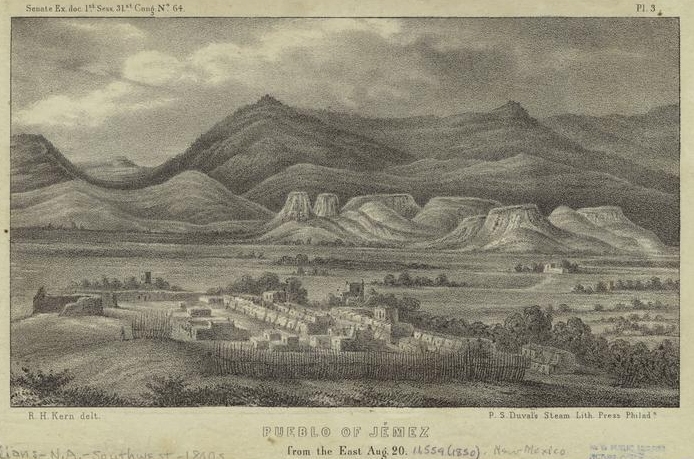 Jemez PuebloWalatowa
🇺🇸 United StatesPueblo people of northern New Mexico, known for running and Towa language
About 2,000, Tanoan
Jemez PuebloWalatowa
🇺🇸 United StatesPueblo people of northern New Mexico, known for running and Towa language
About 2,000, Tanoan
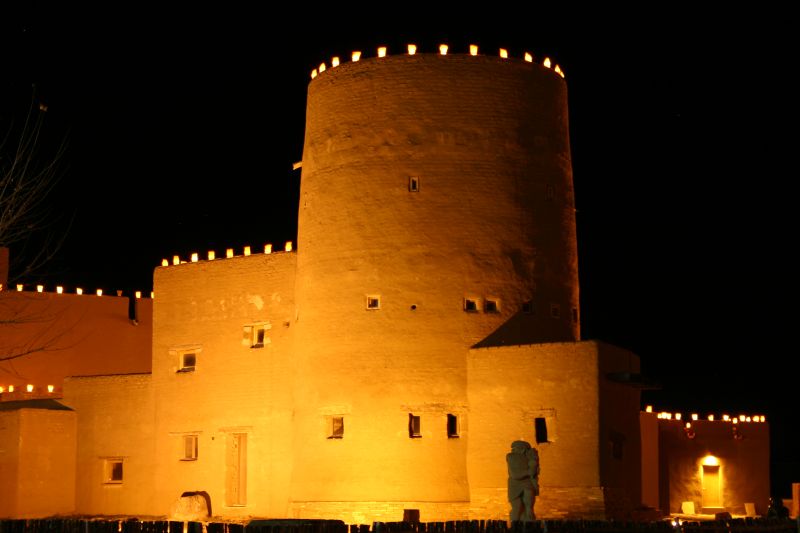 PojoaquePʼohsu̧wä̧geh Ówîngeh
🇺🇸 United StatesA Tewa-speaking Pueblo community in northern New Mexico
About 2,000, Tanoan
PojoaquePʼohsu̧wä̧geh Ówîngeh
🇺🇸 United StatesA Tewa-speaking Pueblo community in northern New Mexico
About 2,000, Tanoan
 TesuqueTeˀtsʼúgéh Ówîngeh
🇺🇸 United StatesA Tewa-speaking Pueblo community near Santa Fe, New Mexico
About 800, Tanoan
TesuqueTeˀtsʼúgéh Ówîngeh
🇺🇸 United StatesA Tewa-speaking Pueblo community near Santa Fe, New Mexico
About 800, Tanoan

