Baganda
Largest ethnic group of Uganda, organized by clans in the Buganda kingdom
The Baganda are a Bantu-speaking people native to the Buganda kingdom in central Uganda. Numbering over 7 million, they are the largest ethnic group in Uganda and are known for their strong clan system, Luganda language, and the central role of the Kabaka (king) in their society.
- The Baganda are organized into about 50 clans, each with its own totem.
- They speak Luganda, a major Bantu language in Uganda.
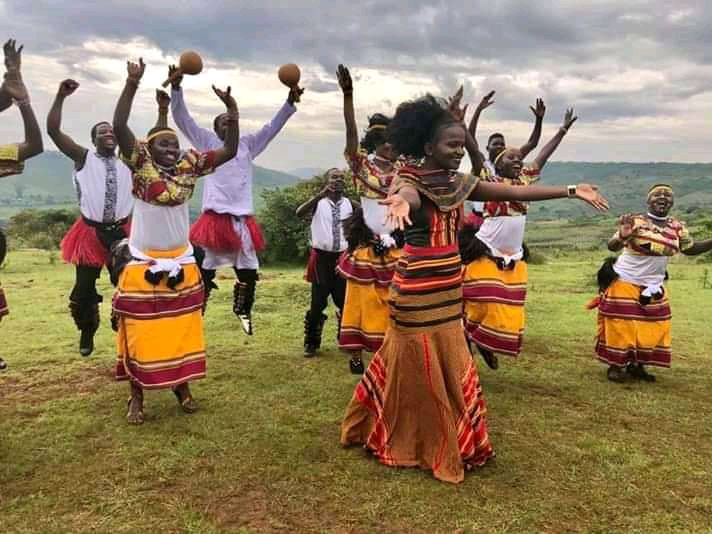
- Barkcloth made from the Mutuba tree is traditional attire.
- The Kabaka (king) is central to Baganda identity and society.
- Marriage within the same clan is forbidden by tradition.
Who are the Baganda?
The Baganda are the largest ethnic group in Uganda, united by a shared language (Luganda), culture, and history. They are organized into clans, each with its own totem and traditions. The Baganda see themselves as one people through their ties to the Buganda kingdom and the Kabaka, their king. Clan membership is central to identity, and every Muganda must belong to a clan. Their society values honour (ekitiibwa), respect, and unity, which are reflected in their customs and social organization.
Where do the Baganda live?
The Baganda live mainly in the Buganda kingdom, a fertile region in central Uganda. This area is known for its rolling hills, lakes, and rivers, making it suitable for agriculture. The land supports banana groves, coffee, and other crops, which are central to Baganda livelihoods. The region is also home to the capital city, Kampala, and has historically been a political and cultural center in Uganda.
What language do the Baganda speak?
The Baganda speak Luganda, a Bantu language widely used in central Uganda. Luganda is not only spoken at home but is also used in schools, media, and local government. It serves as a lingua franca in the region. Many Baganda also speak English and Swahili, especially in urban areas. Luganda remains a strong part of their identity and is passed down through generations.
How do the Baganda live?
Traditionally, the Baganda are farmers, growing bananas (matoke), coffee, and other crops. They also engage in crafts, such as making barkcloth from the Mutuba tree, which is used for clothing and ceremonial purposes. In modern times, many Baganda work in towns and cities, taking up wage employment in various sectors. Their homes are typically built from local materials, and food is prepared from what they grow or trade.
How is Baganda society organised?
Baganda society is organized around about 50 clans, each with its own totem and customs. Clan membership is inherited from the father, and marriage within the same clan is forbidden. Each clan has a hierarchy, with leaders at different levels down to the family. Naming ceremonies and unique names for twins and their siblings are important traditions. The Kabaka is the head of all clan leaders, and the concept of ekitiibwa (honour) guides social relations.


What do the Baganda believe?
Most Baganda today follow Christianity (Roman Catholic and Anglican) or Islam, but some still observe traditional beliefs and rituals. Traditional religion involves reverence for ancestors and clan totems, and ceremonies such as naming and twin rituals. Barkcloth is worn for special occasions. Honour and respect are highly valued, and the Kabaka is seen as the source of authority and prestige. Music, dance, and elaborate ceremonies are part of their cultural life.
The history of the Baganda
The Baganda have a long history centered on the Buganda kingdom, which played a major role in the region before and during colonial times. The kingdom was known for its strong centralized rule under the Kabaka and a complex clan system. British colonial rule recognized the Kabaka as a local authority, which shaped modern Uganda's politics. The Baganda have maintained their cultural identity through changes in government and society, and the kingdom remains influential today.
Baganda life today
Today, the Baganda are the largest ethnic group in Uganda, with over 7 million people. They are active in all areas of Ugandan society, from agriculture to business and government. The Buganda kingdom continues as a cultural institution, and clan traditions remain important. Urbanization and modern education have brought changes, but Luganda language and customs are still strong. The Baganda also have communities abroad, especially in the UK, US, and Canada.
Questions people ask about the Baganda
Where do the Baganda live?
The Baganda live mainly in the Buganda kingdom in central Uganda, a region known for its fertile land and cultural significance.
How many Baganda are there?
There are about 7 million Baganda according to the 2024 census, making them the largest ethnic group in Uganda.
What language do the Baganda speak?
The Baganda speak Luganda, a Bantu language widely used in central Uganda. Many also speak English and Swahili.
What is unique about Baganda society?
Baganda society is organized around clans, each with its own totem and customs. Clan membership is inherited and shapes names, marriage, and social roles.
What are the main religions among the Baganda?
Most Baganda follow Christianity (Roman Catholic and Anglican) or Islam, but some still observe traditional beliefs and rituals.
Sources and further reading
This page was written with AI assistance from the sources above and checked automatically before publishing. It may contain mistakes, and it is no substitute for hearing from the Baganda themselves. If something is wrong, tell us. Last refreshed 2026-10-02.
Neighbours in Uganda
All peoples of Uganda Gisu
🇺🇬 Uganda and 1 moreBantu-speaking farmers of Mount Elgon in eastern Uganda
About 1.6 million, Bantu
Gisu
🇺🇬 Uganda and 1 moreBantu-speaking farmers of Mount Elgon in eastern Uganda
About 1.6 million, Bantu
 Pygmy peoples
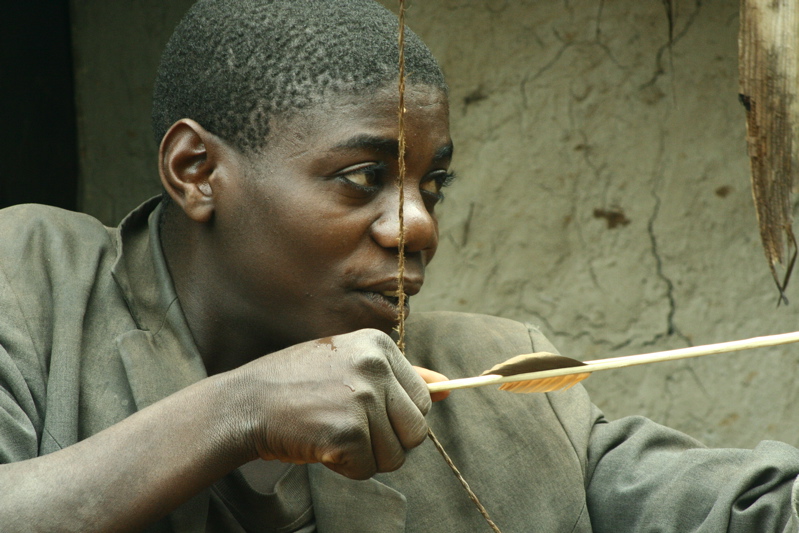
🇨🇩 Democratic Republic of the Congo and 7 moreShort-statured hunter-gatherer groups of the Congo Basin and Central Africa
About 920,000
Pygmy peoples
🇨🇩 Democratic Republic of the Congo and 7 moreShort-statured hunter-gatherer groups of the Congo Basin and Central Africa
About 920,000
 KalenjinBiikap Kuutiit
🇰🇪 Kenya and 4 moreA cluster of Nilotic-speaking peoples of Kenya's Rift Valley and beyond
About 7.5 million, Southern Nilotic (Nilo-Saharan)
KalenjinBiikap Kuutiit
🇰🇪 Kenya and 4 moreA cluster of Nilotic-speaking peoples of Kenya's Rift Valley and beyond
About 7.5 million, Southern Nilotic (Nilo-Saharan)
 Iteso
🇺🇬 Uganda and 2 moreNilotic farmers and herders of eastern Uganda and western Kenya
About 2.8 million, Nilotic
Iteso
🇺🇬 Uganda and 2 moreNilotic farmers and herders of eastern Uganda and western Kenya
About 2.8 million, Nilotic
Other Bantu speakers
See them all KikuyuAgĩkũyũ
🇰🇪 KenyaLargest ethnic group of Kenya's central highlands, known for farming and rich traditions
About 8.1 million, Bantu
KikuyuAgĩkũyũ
🇰🇪 KenyaLargest ethnic group of Kenya's central highlands, known for farming and rich traditions
About 8.1 million, Bantu
 Shona
🇿🇼 Zimbabwe and 4 moreThe largest Bantu-speaking group of Zimbabwe, known for stone sculpture and mbira music
About 16 million, Bantu
Shona
🇿🇼 Zimbabwe and 4 moreThe largest Bantu-speaking group of Zimbabwe, known for stone sculpture and mbira music
About 16 million, Bantu
 SothoBasotho
🇿🇦 South Africa and 4 moreA Sotho-Tswana people of Lesotho and South Africa, known for their language and history.
About 7.3 million, Bantu
SothoBasotho
🇿🇦 South Africa and 4 moreA Sotho-Tswana people of Lesotho and South Africa, known for their language and history.
About 7.3 million, Bantu
 TswanaBatswana
🇧🇼 Botswana and 3 moreA Bantu-speaking people of Southern Africa, central to Botswana and South Africa
About 7.1 million, Bantu
TswanaBatswana
🇧🇼 Botswana and 3 moreA Bantu-speaking people of Southern Africa, central to Botswana and South Africa
About 7.1 million, Bantu