
Blackfeet Nation
They call themselves Aamsskáápipikani / ǎmssk̇ǎaṗiiṗiik̇ǔni, Pikuni / ṗiik̇ǔni
A Plains tribe based on the Blackfeet Indian Reservation in Montana
The Blackfeet Nation is a federally recognized tribe living mainly on the Blackfeet Indian Reservation in Montana, United States. Most members belong to the Piegan Blackfeet band of the Blackfoot Confederacy, whose traditional territory spans both the US and Canada. They are known for their deep connection to the Badger-Two Medicine area, considered sacred, and for their ongoing stewardship of their land.
Who are the Blackfeet Nation?
The Blackfeet Nation is a community of Indigenous people whose main home is the Blackfeet Indian Reservation in Montana. They are part of the larger Blackfoot Confederacy, which includes related groups in both the United States and Canada. Most Blackfeet Nation members are from the Piegan Blackfeet band, also called Ampskapi Piikani. Their shared history, language, and spiritual connection to the land, especially the Badger-Two Medicine area, unite them. The tribe maintains strong traditions and a sovereign government, and their identity is shaped by both their ancient roots and their modern life on the reservation.
Where do the Blackfeet Nation live?
The Blackfeet Indian Reservation covers about 3,000 square miles in northern Montana, east of Glacier National Park and bordering Alberta, Canada. The land features rolling grasslands, forested mountain edges, and waterways such as the St. Mary, Two Medicine, and Milk Rivers. Chief Mountain and other peaks mark the western edge, an area the Blackfeet call the 'Backbone of the World.' The Badger-Two Medicine area, on the Rocky Mountain Front, is especially sacred and remains central to Blackfeet culture.
What language do the Blackfeet Nation speak?
The Blackfeet speak Blackfoot, an Algonquian language. The language is a key part of their identity and oral traditions. Elders are especially valued as keepers of stories and language. While English is widely used, efforts continue to teach and preserve Blackfoot among younger generations.
How do the Blackfeet Nation live?
Traditionally, the Blackfeet lived by hunting, fishing, and gathering on the plains. Today, ranching and farming are major sources of income, with most land used for raising cattle. Oil and gas leases have also brought revenue, though these have sometimes caused conflict over sacred lands. Tourism, especially near Glacier National Park, provides seasonal jobs. Some tribal members work in wildfire firefighting, and crafts and small businesses also contribute to the local economy.
How is Blackfeet Nation society organised?
The Blackfeet Nation is organized through an elected Tribal Business Council, which oversees governance and services. Family and kinship ties remain important, and elders hold a respected place as keepers of tradition and oral history. The community gathers for events like North American Indian Days, which feature powwows and cultural celebrations. Decisions about land and resources are often made collectively, reflecting both traditional and modern forms of leadership.


What do the Blackfeet Nation believe?
Blackfeet beliefs center on a deep spiritual connection to the land, especially places like the Badger-Two Medicine, considered their site of creation. Oral history and mythology are central, with elders responsible for passing on sacred stories. Rituals, ceremonies, and annual gatherings like powwows are key parts of cultural life. The tribe’s art, music, and dress reflect their heritage and ongoing relationship with their homeland.
The history of the Blackfeet Nation
The Blackfeet have lived on the Northern Great Plains for thousands of years. They became a powerful force after acquiring horses and firearms through trade and raids. Their territory once stretched from northern Alberta to Yellowstone and the Black Hills. In the late 19th century, settlers and governments forced them to cede much of their land, confining them to reservations. The Badger-Two Medicine area, sacred to the Blackfeet, was excluded from their reservation by treaty, but they retained rights to use it. In recent decades, the tribe has fought to protect this land from oil drilling, winning key legal battles and working with partners to ensure its conservation.
Blackfeet Nation life today
Today, the Blackfeet Nation numbers about 16,500 enrolled members, with most living on the Montana reservation. They maintain their own government and provide services to their people. While unemployment and poverty remain challenges, the tribe is active in managing land, resources, and cultural programs. Recent victories in protecting sacred sites and efforts to preserve language and tradition show the community’s resilience and commitment to their heritage.
Questions people ask about the Blackfeet Nation
Where do the Blackfeet Nation live?
The Blackfeet Nation live in the United States and Canada, in the Northern Great Plains, east of Glacier National Park, Montana.
How many Blackfeet Nation people are there?
Our sources give the Blackfeet Nation population as 16,500 enrolled members (2010 census). Counts of peoples vary with who is counted and when.
What language do the Blackfeet Nation speak?
The Blackfeet Nation speak Blackfoot, which belongs to the Algonquian family of languages.
How do the Blackfeet Nation make a living?
The Blackfeet Nation are known for settled farming, herding, fishing and the sea and towns and wage work. Like most peoples, they combine several ways of making a living, and these have changed over time.
Sources and further reading
- Blackfeet Nation on WikipediaEncyclopedia
- More photos on Wikimedia CommonsPhotos
- Wikidata recordOpen data
This page was written with AI assistance from the sources above and checked automatically before publishing. It may contain mistakes, and it is no substitute for hearing from the Blackfeet Nation themselves. If something is wrong, tell us. Last refreshed 2026-10-02.
Neighbours in the United States
All peoples of the United States ShawneeŠaawanooaki
🇺🇸 United StatesAlgonquian-speaking people now based in Oklahoma, once of the Ohio Valley
About 8,000, Algonquian
ShawneeŠaawanooaki
🇺🇸 United StatesAlgonquian-speaking people now based in Oklahoma, once of the Ohio Valley
About 8,000, Algonquian
 ArapahoHinono'eino
🇺🇸 United StatesPlains Algonquian people now in Wyoming and Oklahoma
About 11,000, Algonquian
ArapahoHinono'eino
🇺🇸 United StatesPlains Algonquian people now in Wyoming and Oklahoma
About 11,000, Algonquian
 PotawatomiBodéwadmi
🇺🇸 United States and 1 moreKeepers of the fire in the Great Lakes and Plains, with many recognized bands today
About 43,000, Algonquian
PotawatomiBodéwadmi
🇺🇸 United States and 1 moreKeepers of the fire in the Great Lakes and Plains, with many recognized bands today
About 43,000, Algonquian
 Narragansett
🇺🇸 United StatesIndigenous people of Rhode Island, known for their ties to Narragansett Bay
About 3,000, Algonquian
Narragansett
🇺🇸 United StatesIndigenous people of Rhode Island, known for their ties to Narragansett Bay
About 3,000, Algonquian
Other Algonquian speakers
See them all Pequot
🇺🇸 United StatesNative people of Connecticut, known for survival and revival after near-destruction
About 2,000, Algonquian
Pequot
🇺🇸 United StatesNative people of Connecticut, known for survival and revival after near-destruction
About 2,000, Algonquian
 MenomineeMamaceqtaw
🇺🇸 United StatesA Native nation rooted in Wisconsin, known for wild rice and forest stewardship
About 9,000, Algonquian
MenomineeMamaceqtaw
🇺🇸 United StatesA Native nation rooted in Wisconsin, known for wild rice and forest stewardship
About 9,000, Algonquian
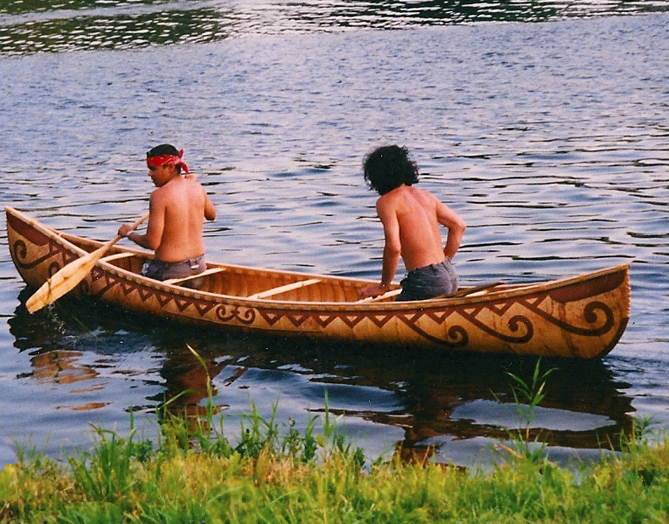 PassamaquoddyPeskotomuhkati
🇺🇸 United States and 1 moreNative people of Maine and New Brunswick, known for fishing and the Wabanaki Confederacy
About 4,000, Algonquian
PassamaquoddyPeskotomuhkati
🇺🇸 United States and 1 moreNative people of Maine and New Brunswick, known for fishing and the Wabanaki Confederacy
About 4,000, Algonquian
 Piegan BlackfeetPiikáni
🇺🇸 United States and 1 moreLargest group of the Blackfeet Confederacy in Montana and Alberta
About 105,000, Algonquian
Piegan BlackfeetPiikáni
🇺🇸 United States and 1 moreLargest group of the Blackfeet Confederacy in Montana and Alberta
About 105,000, Algonquian