
Kalinago
Indigenous people of the Lesser Antilles, mainly in Dominica and Saint Vincent
The Kalinago are an Indigenous people of the Lesser Antilles in the Caribbean, especially Dominica and Saint Vincent. Today, around 3,000 Kalinago live in Dominica, with small numbers in Saint Vincent and Saint Lucia. They are known for their distinct history, canoe-building skills, and for maintaining their identity despite colonial pressures.
- About 3,000 Kalinago live in Dominica today
- They are known for building canoes from local trees
- The Kalinago once resisted Spanish, French, and English colonization
- Their homeland is the Lesser Antilles, especially Dominica and Saint Vincent
- They speak English and Dominican Creole French
Who are the Kalinago?
The Kalinago are an Indigenous people of the Caribbean, mainly living in Dominica and Saint Vincent. They have a shared identity rooted in their history, traditions, and connection to the Lesser Antilles. The Kalinago were once known as Island Caribs and played a significant role in the region's history, resisting European colonization and maintaining their culture. Their community is held together by shared customs, leadership, and a sense of belonging to their ancestral lands.
Where do the Kalinago live?
The Kalinago homeland is the Lesser Antilles, a chain of islands in the eastern Caribbean. Today, most Kalinago live in the northeast of Dominica, in a territory set aside for them by the British in 1903. The land is rugged, with forested hills and coastal areas that have helped the Kalinago maintain their independence. Smaller numbers live in Saint Vincent and Saint Lucia.
What language do the Kalinago speak?
The Kalinago once spoke the Kalinago (Island Carib) language, which was distinct from the languages of their South American relatives. Today, most Kalinago speak English and Dominican Creole French. The original language is no longer widely spoken, but some words and phrases survive in cultural practices and oral traditions.
How do the Kalinago live?
Fishing and canoe-building have long been central to Kalinago life. They use canoes made from local trees for transport and fishing, which has supported both their economy and culture. Farming and craftwork, including pottery, are also important. The Kalinago have adapted to changing times, but traditional skills remain valued in their communities.
How is Kalinago society organised?
Kalinago society is organized around community and kinship. They elect their own chief in Dominica, a tradition that continues today. Family ties and shared ancestry are important, and the community works together in decision-making. Marriage and descent are part of the social fabric, helping to maintain cultural continuity.



What do the Kalinago believe?
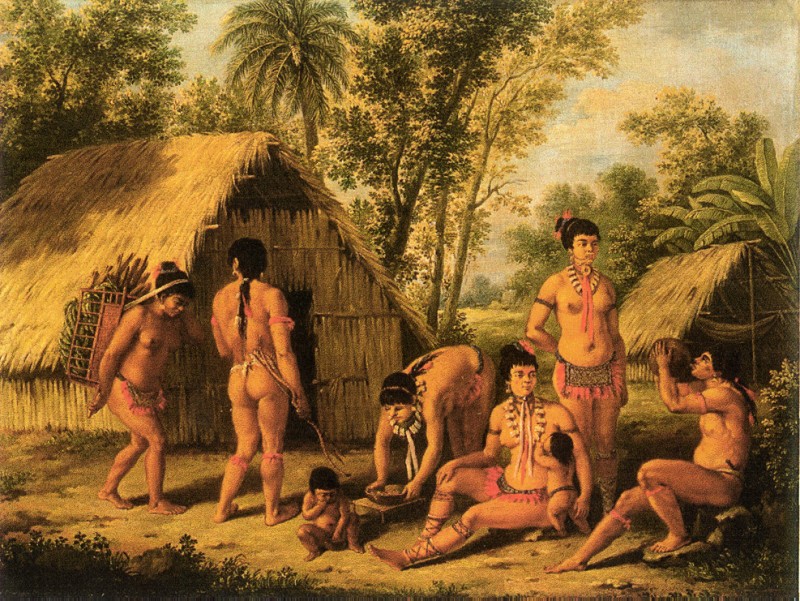
The Kalinago practice a blend of Christianity and Indigenous beliefs. Rituals, music, and art reflect both their ancestral traditions and influences from the wider Caribbean. Canoes and pottery are not only practical but also hold cultural meaning. Dress and adornment have changed over time but remain a part of community identity.
The history of the Kalinago
At the time of Spanish contact, the Kalinago were a dominant group in the Caribbean. They resisted colonization by the Spanish, French, and English, often allying with neighboring peoples. The Kalinago suffered from warfare, disease, and forced removal, especially after treaties were broken by colonial powers. In Saint Vincent, intermarriage with Africans led to the Garifuna people. Despite losses and pressures, the Kalinago have survived and maintained their distinct identity.
Kalinago life today
Today, about 3,000 Kalinago live in Dominica, mainly in the Kalinago Territory. They elect their own chief and continue traditional practices alongside modern life. The community faces challenges such as land pressures and cultural change, but efforts to preserve and revive Kalinago heritage continue. Small numbers remain in Saint Vincent and Saint Lucia.
Questions people ask about the Kalinago
Where do the Kalinago live today?
Most Kalinago live in Dominica, mainly in the northeast in a territory set aside for them. Smaller numbers are found in Saint Vincent and Saint Lucia.
How many Kalinago are there?
There are about 3,000 Kalinago in Dominica, with small numbers in Saint Vincent and Saint Lucia.
What language do the Kalinago speak?
Today, the Kalinago speak English and Dominican Creole French. Their original language, Kalinago, is no longer widely spoken.
What are the Kalinago known for?
The Kalinago are known for their canoe-building skills, resistance to colonization, and maintaining their identity in the Caribbean.
What is the Kalinago Territory?
The Kalinago Territory is a 3,700-acre area in northeast Dominica, granted to the Kalinago by the British in 1903, where they have community leadership and cultural autonomy.
Sources and further reading
- Kalinago on WikipediaEncyclopedia
- Encyclopaedia BritannicaArticle
- More photos on Wikimedia CommonsPhotos
- Wikidata recordOpen data
This page was written with AI assistance from the sources above and checked automatically before publishing. It may contain mistakes, and it is no substitute for hearing from the Kalinago themselves. If something is wrong, tell us. Last refreshed 2026-10-02.